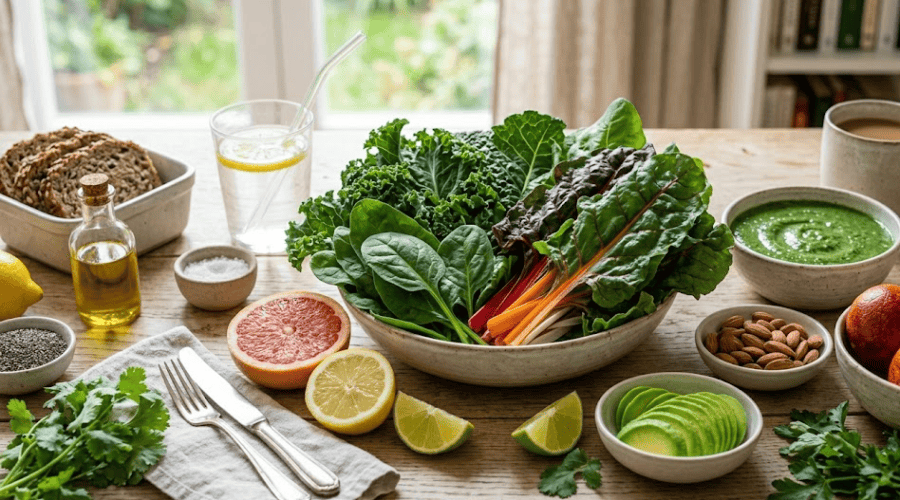
Brittle nails that snap before they grow, hair that seems thinner every time you brush it — these aren’t just cosmetic frustrations. They’re often among the first visible signs that your body is running low on key nutrients. The encouraging part: your nails and hair are in a constant cycle of growth, which means targeted dietary changes can produce noticeable results within weeks. No expensive treatments required. The right foods for strong nails and hair give your body the specific building blocks it needs to grow both harder and faster. This guide covers exactly which nutrients matter, which foods deliver them most efficiently, and what your nails may already be trying to tell you about what’s missing.
What Your Nails and Hair Are Made Of
Before loading up on supplements, it helps to understand what you’re actually building.
Both nails and hair are made primarily of keratin — a fibrous structural protein assembled from amino acids, particularly cysteine. Hair shafts are approximately 95% keratin, while nails are a dense form of keratin reinforced with calcium and trace minerals including zinc and selenium.
Hair grows roughly 1.2 centimeters per month; nails grow around 3 millimeters per month. Both rates are directly influenced by the availability of raw materials in your diet. Without adequate protein, biotin, iron, and zinc, your body simply doesn’t have the inputs needed to build strong, fast-growing hair and nails. The follicles and nail matrix are among the first structures to be deprioritized when nutrients are scarce — which is why deficiencies show up there before almost anywhere else.
Key Nutrients for Hair and Nail Health
These are the nutrients that move the needle most:
Biotin (Vitamin B7) is the most well-known hair and nail nutrient for good reason — it’s directly involved in keratin synthesis. Deficiency causes brittle nails and hair loss relatively quickly.
Iron delivers oxygen to hair follicles and nail matrix cells. Low iron — even without full-blown anemia — is one of the most common causes of hair thinning in women under 50.
Zinc drives cell division and protein synthesis, both essential for growth. Zinc deficiency is directly linked to brittle, slow-growing nails and increased hair shedding.
Vitamin C is essential for collagen production, which supports the structure surrounding hair follicles and the nail bed. It also enhances iron absorption from plant sources.
Omega-3 fatty acids nourish the scalp, reduce follicle inflammation, and contribute to the natural oils that keep both hair and nails flexible rather than dry and brittle.
Selenium acts as an antioxidant protecting follicles and the nail matrix from oxidative damage — particularly important for people under chronic stress.
Vitamin D regulates the hair follicle cycling between growth and rest phases. Low vitamin D is strongly associated with hair loss in multiple studies.
12 Best Foods for Strong Nails and Healthy Hair
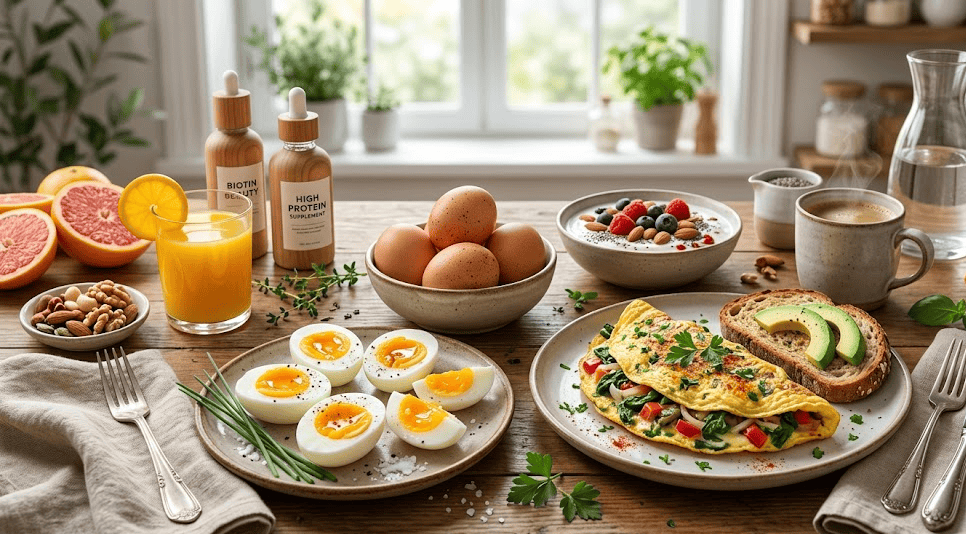
Eggs
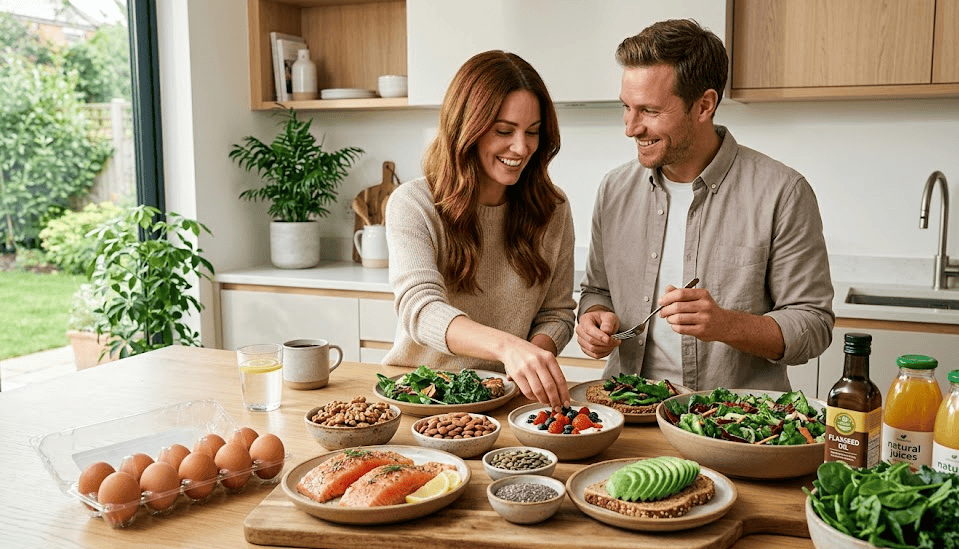
If there’s one food that covers the most ground for hair and nail health, it’s eggs. A single egg delivers biotin, complete protein, selenium, and zinc — almost the full lineup of key nutrients in one package. The yolk is where most of the biotin lives, so whole eggs rather than egg whites are what you want. One to two eggs daily is a simple and effective baseline habit for anyone prioritizing nail and hair strength.
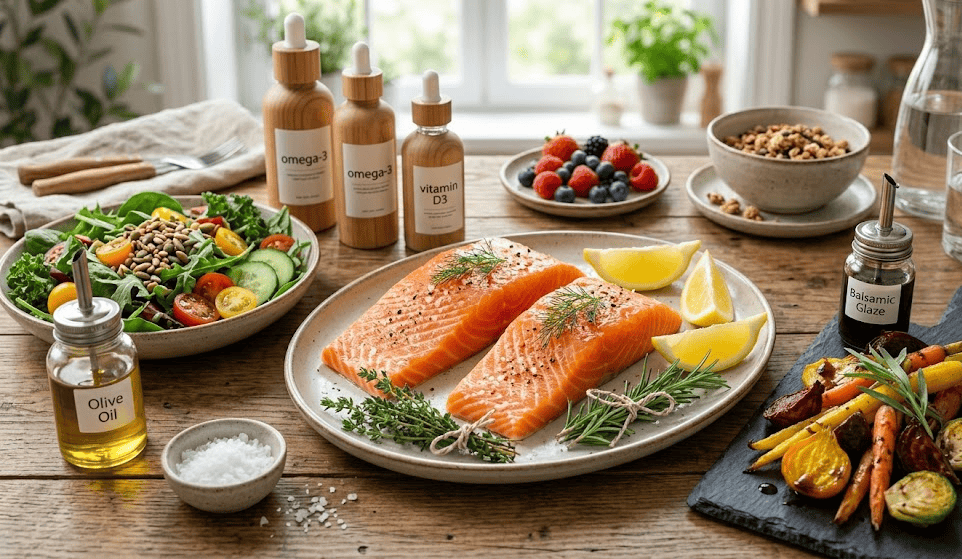
Fatty Fish (Salmon, Sardines, Mackerel)
Fatty fish are one of the few dietary sources that provide omega-3 fatty acids, vitamin D, and selenium simultaneously — a combination that directly supports scalp health, follicle function, and nail flexibility. Salmon is the most popular choice, but sardines are arguably the more nutritious option, adding calcium and B12 to the mix. Aim for two servings per week as a minimum, or daily if hair thinning is a primary concern.
Sweet Potatoes
Sweet potatoes are exceptionally rich in beta-carotene, which the body converts to vitamin A as needed. Vitamin A regulates sebum production — the natural scalp oil that keeps hair moisturized and the cuticle layer smooth. Without adequate vitamin A, hair becomes dry and prone to breakage at the shaft. One medium sweet potato provides more than enough beta-carotene for the day, without the risk of vitamin A toxicity that comes with retinol supplements.
Avocado
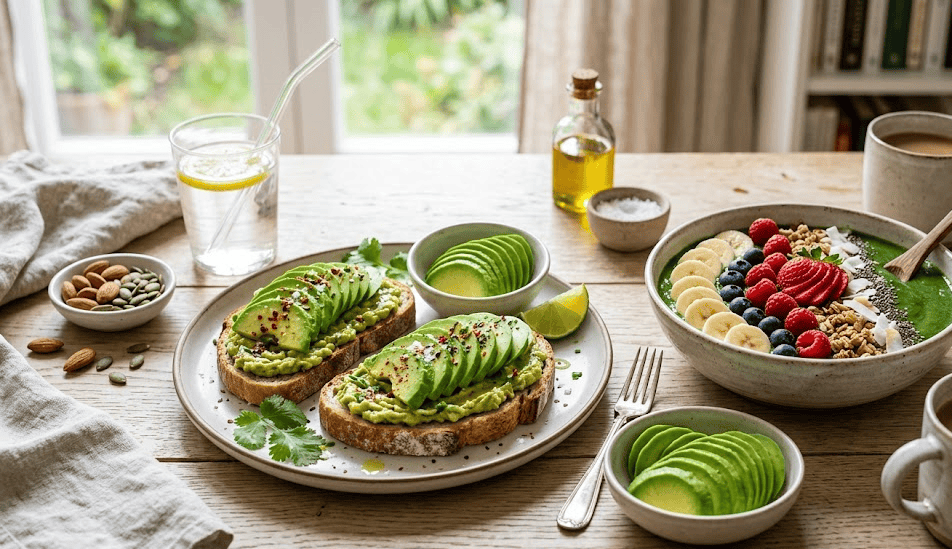
Avocado brings biotin, vitamin E, and healthy monounsaturated fats to the table — a combination that benefits both the scalp and the nail bed. Vitamin E is a fat-soluble antioxidant that protects follicles from oxidative stress, and the healthy fats improve absorption of other fat-soluble vitamins including D and A. Half an avocado daily is a practical serving that adds meaningful nutritional value without overthinking it.
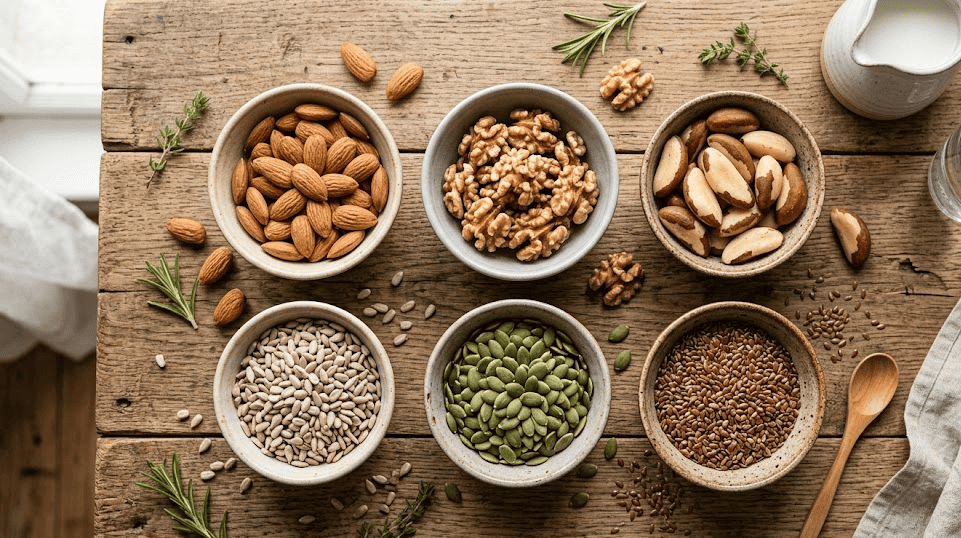
Nuts (Almonds, Walnuts, Brazil Nuts)
Nuts are one of the most convenient nail and hair foods because they’re easy to eat daily without any preparation. Almonds are particularly high in biotin and vitamin E. Walnuts provide plant-based omega-3 fatty acids alongside biotin and zinc. Brazil nuts deserve special mention: just two per day provides your entire daily selenium requirement — a nutrient most people are quietly deficient in. A small mixed handful daily covers multiple nutrient gaps at once.
Seeds (Sunflower, Pumpkin, Flaxseed)
Seeds punch well above their weight nutritionally. Pumpkin seeds are one of the best plant-based sources of zinc, making them particularly valuable for anyone experiencing nail brittleness or increased hair shedding. Sunflower seeds contribute selenium and vitamin E. Flaxseeds (ground, for bioavailability) provide plant-based omega-3s and lignans that support hormonal balance — relevant for women experiencing hormonally driven hair thinning. Add them to yogurt, smoothies, or oatmeal.
Leafy Greens (Spinach, Kale, Swiss Chard)
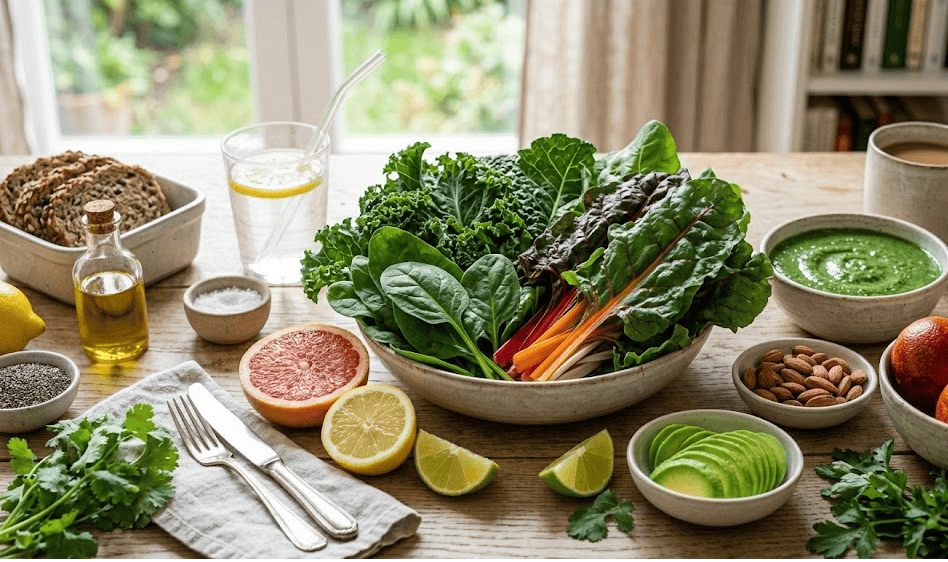
Dark leafy greens deliver iron, folate, and vitamin C — a combination that’s particularly powerful because the vitamin C in the greens enhances absorption of the plant-based (non-heme) iron they contain. Iron deficiency is one of the most common nutritional contributors to hair loss in women, and it frequently goes undetected because ferritin levels aren’t routinely checked. Cooking spinach dramatically increases the iron you can absorb from a given serving compared to eating it raw.
Berries (Strawberries, Blueberries, Blackberries)
Berries are the most accessible source of vitamin C in a form most people genuinely enjoy eating every day. A cup of strawberries provides more vitamin C than an orange, supporting collagen synthesis around hair follicles and the nail bed. The antioxidant compounds in blueberries and blackberries — particularly anthocyanins — also protect follicles from the oxidative stress that accelerates hair aging and weakens nail structure over time.
Legumes (Lentils, Chickpeas, Black Beans)
Legumes are an underrated hair and nail food, particularly for women who eat less meat. They provide plant-based protein, biotin, iron, and zinc — all four in a single ingredient that’s inexpensive and versatile. Lentils are especially impressive nutritionally, containing more iron per serving than many meats. Pair lentil dishes with a vitamin C source (tomatoes, bell peppers, lemon juice) to maximize iron absorption from plant sources.
Oysters
Oysters are the single richest dietary source of zinc — providing more per serving than virtually any other food. This matters because zinc deficiency produces some of the most distinctive nail and hair symptoms: white spots on nails, increased brittleness, and accelerated hair shedding. Even mild, subclinical zinc deficiency (not enough to show up on basic blood panels) can impair keratin synthesis noticeably. You don’t need oysters daily — even once or twice a week provides a meaningful zinc boost.

Greek Yogurt
Greek yogurt provides complete protein, vitamin B12, and vitamin D in a convenient, daily-friendly format. The protein delivers amino acids for keratin synthesis; B12 supports the red blood cell production that keeps follicles well-oxygenated; vitamin D contributes to healthy hair follicle cycling. Full-fat Greek yogurt also provides fat-soluble vitamin absorption benefits. Choose plain varieties and add your own fruit to avoid the added sugars in flavored versions.
Lean Beef
For non-vegetarians, lean beef is among the most efficient sources of complete protein, heme iron, and zinc available — and crucially, the iron in beef (heme iron) is absorbed at a rate two to three times higher than iron from plant sources. For women with heavy periods or low ferritin levels, regular lean beef consumption can make a tangible difference to hair density within a few months. Two to three servings per week is a practical and nutritionally meaningful frequency.
What Your Nails Are Already Telling You
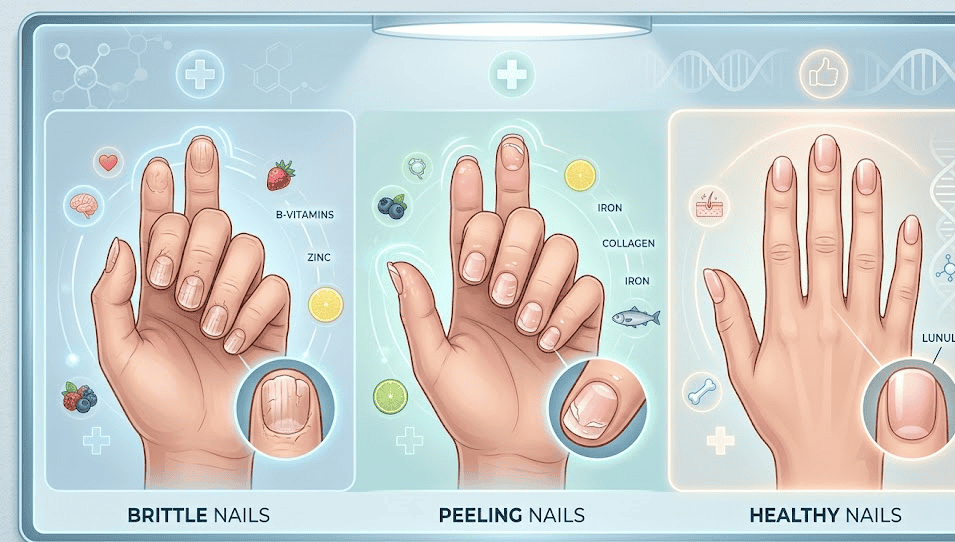
Nails are surprisingly expressive when it comes to nutritional status. Here’s what common changes may indicate:
- White spots — often linked to zinc or calcium insufficiency, though minor trauma is also common
- Vertical ridges — frequently associated with iron deficiency; also increase naturally with age
- Horizontal ridges (Beau’s lines) — can indicate a period of significant physiological stress or illness
- Brittle, peeling nails — commonly linked to low biotin, chronic dehydration, or excessive exposure to water and chemicals
- Spoon-shaped nails (koilonychia) — a classic sign of iron deficiency anemia; the nail curves upward like a spoon
- Pale or whitish nail beds — may suggest anemia or poor circulation
Nutritional changes to nails take time to appear and time to resolve — nails grow slowly and the full cycle of a nail takes 4–6 months. If you notice sudden or dramatic nail changes, or changes accompanied by other symptoms, see your doctor rather than attributing them to diet alone.
Practical Diet Tips for Better Hair and Nails
Eat protein at every meal. Target 25–30 grams per meal — this is the threshold research suggests maximizes muscle protein synthesis, and the same principle applies to keratin production. Distributing protein across meals is more effective than eating it all at once.
Don’t skip biotin-rich foods. Eggs are the easiest daily biotin source. If you eat egg whites only (in smoothies or cooking), add at least one or two whole eggs daily — raw egg whites contain avidin, a protein that actually blocks biotin absorption.
Pair iron with vitamin C. Every iron-rich plant food you eat becomes significantly more bioavailable when consumed with a vitamin C source. Squeeze lemon over spinach, add tomatoes to lentil soup, or eat berries alongside your iron-fortified breakfast.
A handful of mixed nuts daily covers multiple gaps. Almonds, walnuts, and a Brazil nut or two in one daily handful covers biotin, vitamin E, omega-3, and selenium without any meal planning required.
Consider a targeted supplement if your diet is restricted. If you’re vegan, frequently dieting, or have digestive issues affecting absorption, a biotin supplement (2,500–5,000 mcg) alongside an iron and zinc check with your doctor is worth discussing.
Frequently Asked Questions
What vitamin deficiency causes brittle nails? Biotin (vitamin B7) deficiency is the most commonly associated cause of brittle, slow-growing nails, and is the deficiency most studied in clinical trials on nail health. Iron deficiency is also a significant cause — it impairs oxygen delivery to the nail matrix. Zinc deficiency contributes to both brittleness and the appearance of white spots. In practice, brittle nails are often the result of multiple mild deficiencies rather than a single dramatic one.
How long does diet take to improve nails? Because nails grow approximately 3mm per month, dietary improvements take time to become visible. You may notice improved texture and reduced brittleness within 4–8 weeks of consistent dietary changes. However, seeing the full nail replaced with healthier growth takes 4–6 months for fingernails and up to 12–18 months for toenails. Think of nail improvement as a months-long project, not a weeks-long one.
Does biotin actually grow nails faster? The evidence is modest but real — particularly for people who begin with a deficiency or borderline-low biotin status. A 1989 study found that biotin supplementation increased nail thickness by 25% and reduced breakage in people with brittle nails. However, biotin is unlikely to dramatically accelerate nail growth in people who are already getting adequate amounts from their diet. The effect is most pronounced when correcting a deficiency, not when topping up an already-sufficient level.
What foods cause nail problems? Excessive alcohol interferes with zinc and B vitamin absorption. Very high sugar intake promotes the inflammation that impairs collagen and keratin synthesis. Ultra-processed foods displace nutrient-dense options without contributing meaningfully to nail health. Crash dieting — particularly very low calorie or very low protein diets — is one of the fastest ways to trigger nail brittleness and hair shedding, as the body deprioritizes these structures when nutrients are scarce.
Is collagen good for nails? Emerging evidence suggests yes. Collagen provides amino acids — particularly glycine, proline, and hydroxyproline — that support both the nail bed structure and hair follicle integrity. A 2017 study found that daily collagen peptide supplementation for 24 weeks improved nail growth rate and reduced brittleness. Collagen works best as a complement to a protein-rich diet rather than a standalone fix, and choosing a hydrolyzed collagen supplement improves absorption significantly.
Feed Your Nails and Hair From the Inside Out
The best foods for strong nails and hair aren’t exotic or expensive — eggs, leafy greens, fatty fish, nuts, seeds, and berries are foods most people can access and eat daily. The difference is eating them consistently and with nutritional intent. Protein at every meal, iron paired with vitamin C, biotin from whole eggs, and zinc from pumpkin seeds or oysters regularly — these habits compound over months into noticeably stronger nails and healthier hair growth.
For women dealing with significant hair thinning beyond what diet alone is addressing, a biotin, iron, and zinc check with your doctor is the best next step toward evidence-based supplementation.
This article is for informational purposes only. Sudden or dramatic changes in nail appearance or significant hair loss should be evaluated by a healthcare professional, as they can indicate underlying medical conditions beyond nutritional deficiency.
Leave a Comment