Best Foods to Eat for Glowing Skin
You can spend a fortune on skincare — but what you eat may matter just as much as what you put on your face. The right foods for glowing skin feed your skin cells from the inside, building the collagen, fighting the inflammation, and maintaining the hydration that no serum can fully replicate on its own. If your skin has been looking dull, dry, or uneven despite a solid skincare routine, your plate deserves a closer look. Here are the ten best foods for skin that glows — and the science behind why each one works.
How Diet Affects Your Skin
Your skin is a living organ, and like every other organ in your body, it’s built from the nutrients you consume. Vitamin C is an essential cofactor in collagen synthesis — without it, your skin’s structural scaffolding breaks down faster than it’s rebuilt. Antioxidants from colorful plant foods fight the free radical damage that accelerates visible aging and dulls skin tone. Omega-3 fatty acids maintain the skin’s lipid barrier, keeping moisture in and irritants out. And water-rich foods — cucumbers, watermelon, leafy greens — hydrate skin cells from within in a way that topical moisturizers can’t fully replicate. What you eat consistently becomes, quite literally, the skin you’re in.
10 Best Foods for Glowing Skin
1. Avocado
Avocado is one of the most skin-supportive foods you can eat regularly. It’s rich in healthy monounsaturated fats that maintain skin suppleness and flexibility, alongside vitamin E — a fat-soluble antioxidant that protects skin cell membranes from oxidative damage — and lutein, which research suggests may help maintain skin hydration and elasticity. Half an avocado a day is a genuinely impactful habit: eat it sliced on toast, blended into a smoothie, or stirred into salad dressings.
2. Fatty Fish (Salmon, Sardines, Mackerel)
Fatty fish are the gold standard dietary source of EPA and DHA omega-3 fatty acids — the forms of omega-3 your body can use directly without conversion. These fatty acids reduce the inflammation that manifests as redness, puffiness, and acne, while simultaneously reinforcing the lipid barrier that keeps skin plump and hydrated. DHA is also a structural component of skin cell membranes. Aim for two servings per week; sardines are particularly nutrient-dense and sustainable, delivering omega-3s alongside selenium and vitamin B12.
3. Berries (Blueberries, Strawberries, Raspberries)
Berries deliver a double benefit for skin: vitamin C — essential for collagen synthesis — and anthocyanins, the pigment compounds that give them their deep color and serve as powerful antioxidants that protect existing collagen from free radical breakdown. A cup of strawberries contains more vitamin C than an orange, making them one of the most accessible collagen-support foods available. Eat a variety of berries daily — fresh, frozen, or blended into smoothies — to get the broadest range of polyphenols.
4. Sweet Potato
Sweet potatoes are exceptionally rich in beta-carotene, which the body converts to vitamin A — a nutrient that regulates cell turnover, supports sebum production, and is directly responsible for the warm, even skin tone that many people associate with a natural glow. Research suggests that consistent beta-carotene intake can subtly but visibly improve skin color in a way that’s perceived as healthy and radiant. Eat them roasted, mashed, or baked — the healthy fat you pair them with improves beta-carotene absorption significantly.
5. Green Tea
Green tea’s skin benefits come primarily from EGCG (epigallocatechin gallate) — one of the most studied antioxidant compounds for skin health. Research suggests EGCG may help protect against UV-induced damage by neutralizing the free radicals that UV radiation generates in skin cells, potentially reducing the photoaging that dull, uneven skin tone is partly attributable to. Two to three cups of brewed green tea daily is the range most studies use. Matcha delivers a higher concentration of EGCG if you want a more potent version.
6. Nuts (Walnuts, Almonds, Brazil Nuts)
A small daily handful of mixed nuts covers several skin-critical nutrients at once. Walnuts are the only tree nut with significant ALA omega-3 content, supporting the skin’s anti-inflammatory pathways. Almonds are one of the richest sources of vitamin E per serving. Brazil nuts provide selenium — an antioxidant mineral that research suggests may protect against skin aging and UV damage — at a meaningful dose from just two to three nuts. The variety approach is more nutritionally complete than any single nut alone.
7. Tomatoes
Tomatoes are the richest dietary source of lycopene — a carotenoid antioxidant with a particular affinity for skin photoprotection. Research has shown that lycopene-rich diets are associated with reduced UV-induced skin redness and collagen breakdown. The critical detail: cooked tomatoes deliver significantly more bioavailable lycopene than raw ones — up to four times more — because heat breaks down the cell walls that bind the compound. Tomato paste, roasted tomatoes, and cooked tomato sauce are dramatically more skin-protective than a fresh tomato slice.
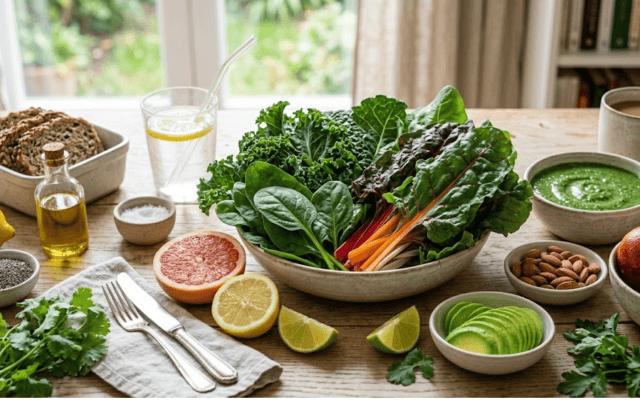
8. Dark Leafy Greens (Spinach, Kale, Swiss Chard)
Dark leafy greens pack a remarkable range of skin nutrients into a single ingredient: vitamins A, C, and K, plus iron, folate, and chlorophyll. Vitamin C supports collagen synthesis; vitamin A drives cell turnover; vitamin K supports the microcirculation that keeps skin looking bright rather than dull and sallow. The iron in spinach supports oxygen delivery to skin cells — iron deficiency is one of the most common causes of the pallor and dullness that makes skin look tired. Cooking spinach dramatically increases iron bioavailability compared to eating it raw.
9. Dark Chocolate (70%+ Cacao)
This one tends to surprise people — but the evidence is real. Dark chocolate with 70% or more cacao contains flavanols, plant compounds that research suggests may improve blood flow to the skin, increase skin density and hydration, and reduce sensitivity to UV damage. A 2006 study found that women who consumed high-flavanol cocoa had better skin hydration and texture after 12 weeks compared to a control group. One to two squares of quality dark chocolate daily is enough to deliver meaningful flavanol content — choose varieties with minimal added sugar and at least 70% cacao.
10. Water-Rich Foods (Cucumber, Watermelon, Celery)
Skin cells need water to function, and water-rich foods contribute to total fluid intake in a way the body absorbs gradually and efficiently. Cucumber is 96% water and also contains silica, a mineral associated with skin elasticity. Watermelon provides water alongside lycopene and vitamin C. These foods make particularly impactful snacks because they replace dehydrating processed snacks with something that actively contributes to skin hydration. Eat them throughout the day rather than all at once for sustained hydration benefit.
Foods to Avoid for Better Skin
What you eat less of matters as much as what you add:
- Refined sugar triggers glycation — the binding of sugar molecules to collagen and elastin that makes them rigid, disorganized, and prone to breakdown. This process visibly accelerates skin aging and dullness.
- Dairy — particularly skim milk — has been linked to acne flare-ups in some research, possibly through its effect on insulin-like growth factor 1 (IGF-1). Not everyone reacts to dairy; if you suspect it’s a trigger, a 30-day elimination can clarify the connection.
- Fried foods and industrial seed oils — contribute to the oxidative stress load that depletes the antioxidants your skin depends on.
- Alcohol dehydrates skin rapidly, disrupts sleep quality (which is when skin repairs itself), and promotes systemic inflammation.
- Heavily processed, high-sodium snacks promote water retention and puffiness while displacing the nutrient-dense foods that actually support skin health.
Simple Skin-Glow Diet Tips
Building a skin-supportive diet doesn’t require a meal plan. A few consistent habits make the biggest difference:
- Eat a rainbow of colors at every meal — the variety of pigments represents a variety of antioxidants working through different protective pathways.
- Aim for 8 glasses of water daily and supplement with water-rich foods as above.
- Start the day with a green smoothie — spinach, frozen berries, banana, and a splash of orange juice packs in multiple skin-glow nutrients before 9 a.m.
- Swap refined grains for whole grains — lower glycemic impact reduces the insulin spikes that drive both glycation and hormonal acne.
- Eat fatty fish twice a week as your protein anchor for those meals — it’s the simplest way to ensure adequate omega-3 intake.
For more ways to build these foods into delicious everyday meals, browse our Healthy Recipes category.
Frequently Asked Questions
What food is best for glowing skin? If you had to pick one food, fatty fish (salmon, sardines, mackerel) offers the broadest range of skin benefits: omega-3s for the skin barrier and inflammation reduction, DHA for skin cell membrane integrity, selenium for antioxidant protection, and vitamin B12 for skin tone. For a plant-based option, avocado comes closest — providing healthy fats, vitamin E, and lutein in a particularly bioavailable form.
Can eating healthy really change your skin? Research suggests yes — and meaningfully so. Multiple studies have found associations between dietary patterns rich in antioxidants, omega-3s, and vitamin C and improvements in skin hydration, elasticity, and overall tone. The skin renews itself roughly every 28–40 days, meaning dietary changes begin to be reflected in newer skin cells relatively quickly. The most visible changes from dietary improvement tend to be in skin hydration, evenness of tone, and reduction of inflammation-related redness.
How long does it take for diet to affect skin? The skin’s renewal cycle is approximately 28–40 days, so that’s the minimum timeline for dietary changes to begin showing up in genuinely new skin cells. Most people who make consistent dietary improvements notice initial changes in skin hydration and brightness within 4–6 weeks. More significant changes — in texture, tone evenness, and reduction of congestion — typically follow at 8–12 weeks of sustained dietary shifts. Consistency matters more than perfection: 80% of meals being skin-supportive over 3 months produces more visible change than 100% compliance for two weeks.
Does drinking water improve skin glow? Adequate hydration is foundational — dehydrated skin looks dull, tight, and emphasizes the appearance of fine lines. Drinking enough water (approximately 8 glasses daily, more with exercise or heat) keeps skin cells plump and supports the efficient delivery of nutrients to skin tissue. That said, drinking more water than adequate hydration requires produces diminishing returns for skin appearance specifically — staying adequately hydrated matters, but dramatically exceeding that doesn’t produce a proportional skin glow boost. Water-rich foods support hydration more efficiently than drinking large volumes quickly.
What foods cause dull skin? The biggest culprits are refined sugar (through glycation that damages collagen), alcohol (through dehydration and disrupted sleep), heavily processed foods high in refined carbohydrates (through insulin spikes and inflammation), and low dietary fat (healthy fats are essential for the skin’s lipid barrier — very low fat diets often produce dry, dull skin regardless of other dietary quality). A diet low in colorful fruits and vegetables is also a significant dullness driver — the antioxidants in plant foods actively protect against the oxidative damage that makes skin look tired and uneven.
What You Eat Is Your Skin Care Routine
The best foods for glowing skin — avocado, fatty fish, berries, sweet potato, leafy greens, and quality dark chocolate — work through the same pathways as your favorite serums, just from the inside out. Add them consistently, reduce the foods that work against your skin, and stay hydrated. Real, lasting radiance is built meal by meal, not just layer by layer.
This article is for informational purposes only and does not constitute medical or dermatological advice. Consult a healthcare professional for persistent skin concerns.


Leave a Comment