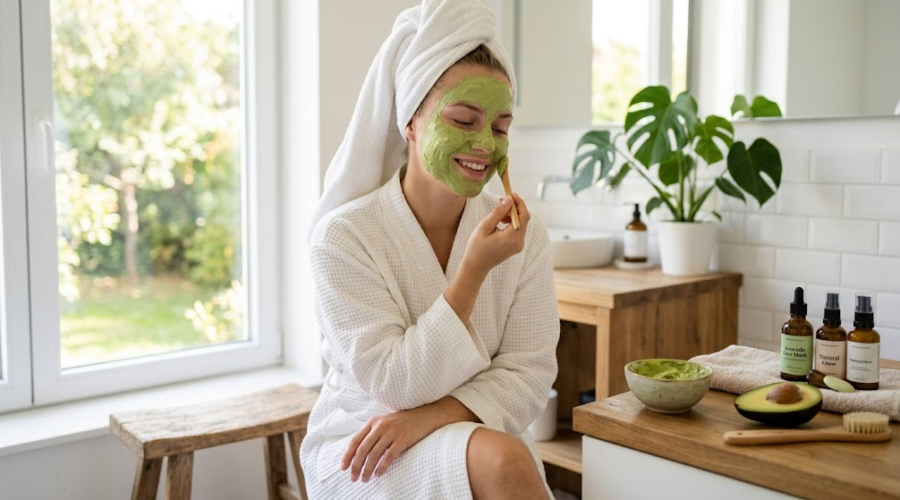
Home Remedies for Dry Skin in Winter
When the temperature drops, your skin is usually the first to suffer. If you’re searching for home remedies for dry skin in winter, you’re in good company — millions of Americans deal with flaky, tight, and sometimes cracked skin from November through March. The good news is that most winter skin dryness responds well to targeted home care, and the ingredients that work best are often already in your kitchen or bathroom cabinet. Here’s what’s actually happening to your skin and what you can do about it.
Why Does Skin Get So Dry in Winter?
Cold winter air holds significantly less moisture than warm air — and when that dry air surrounds you outdoors, then you come inside to a heated home that strips even more humidity from the environment, your skin is losing water from both directions.
The process is called transepidermal water loss (TEWL) — the invisible evaporation of moisture through the skin’s outer layer. In healthy conditions, the skin’s lipid barrier slows this evaporation. But cold air weakens that barrier, and indoor heating accelerates water loss from the surface, leaving skin tight, flaky, and sensitive.
Hot showers — the thing you most want in winter — make it worse. Hot water dissolves the skin’s natural oils faster than warm water, stripping away the protective barrier that slows moisture loss. By the time you step out of a steaming shower into a heated, dry room, your skin is primed to lose moisture rapidly. Understanding this cycle is the first step toward breaking it.
12 Home Remedies for Dry Skin in Winter
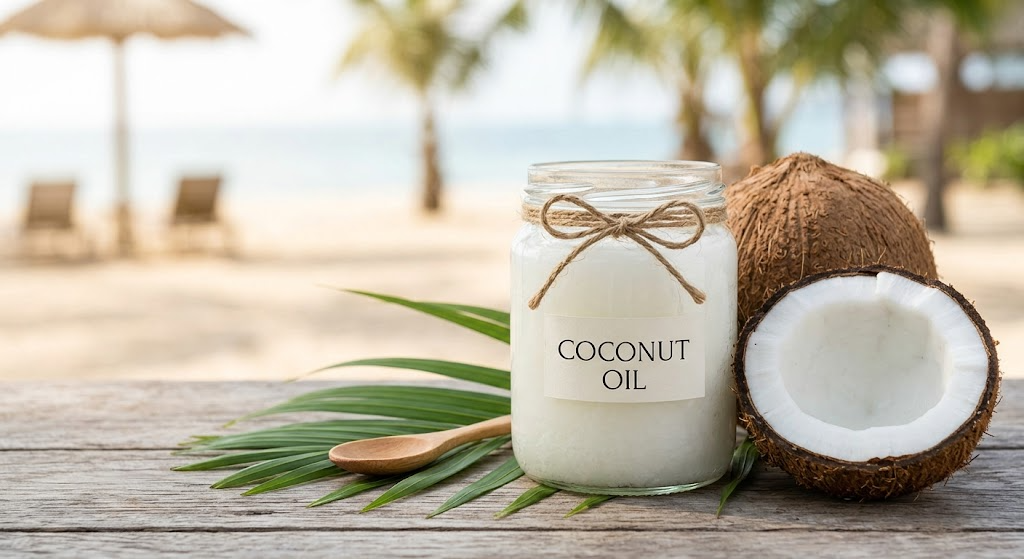
1. Coconut Oil
Coconut oil is rich in medium-chain fatty acids — particularly lauric acid — that help restore the skin’s lipid barrier and reduce water loss. Apply it immediately after your shower, while skin is still slightly damp, to lock in the moisture already present. It works best on the body rather than the face for most people, as its heavier consistency can clog pores for acne-prone skin types.
2. Honey Mask
Honey is a natural humectant — it draws moisture from the air into the skin — and has well-documented antibacterial properties that make it useful for dry skin that’s also prone to irritation or breakouts. Apply raw honey directly to clean, dry skin, leave it for 15 minutes, then rinse with lukewarm water. The result is noticeably softer skin without any harsh ingredients, and it’s gentle enough for sensitive skin types.

3. Colloidal Oatmeal Bath
Colloidal oatmeal — finely ground oats suspended in water — is recognized by the FDA as a safe and effective skin protectant for dry and irritated skin. It contains compounds called avenanthramides with anti-inflammatory properties that may help soothe the itching and irritation that accompanies severe winter dryness. Add one to two cups to a lukewarm bath, soak for 15–20 minutes, and pat dry gently without rubbing.


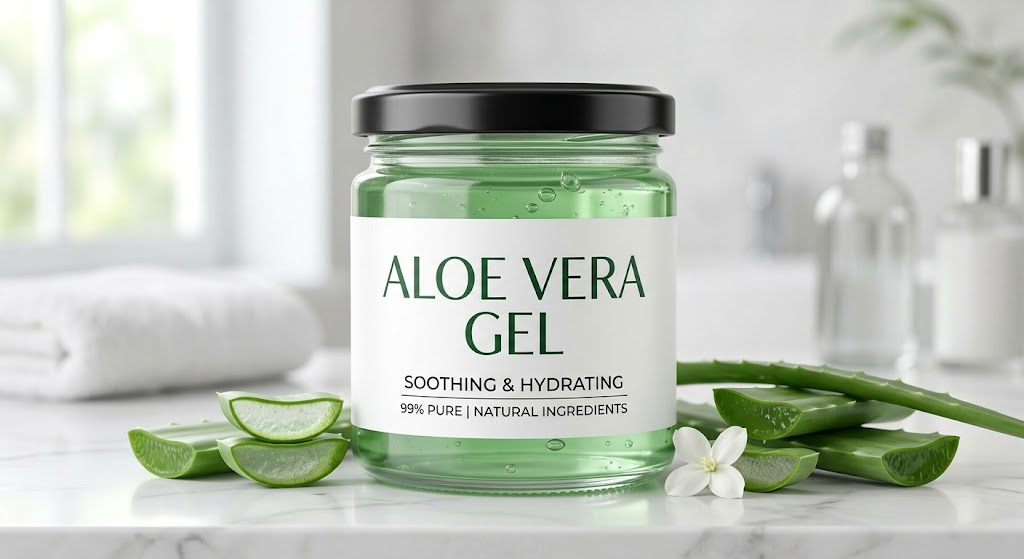
4. Aloe Vera Gel
Aloe vera gel is both a humectant and a mild anti-inflammatory, making it particularly useful for dry skin that’s also red or irritated. Apply pure aloe gel (99%+ with no alcohol or fragrance) to clean skin and allow it to absorb before layering a heavier moisturizer or oil on top. It absorbs quickly, making it a good daytime option when heavier oils feel too greasy under clothing.
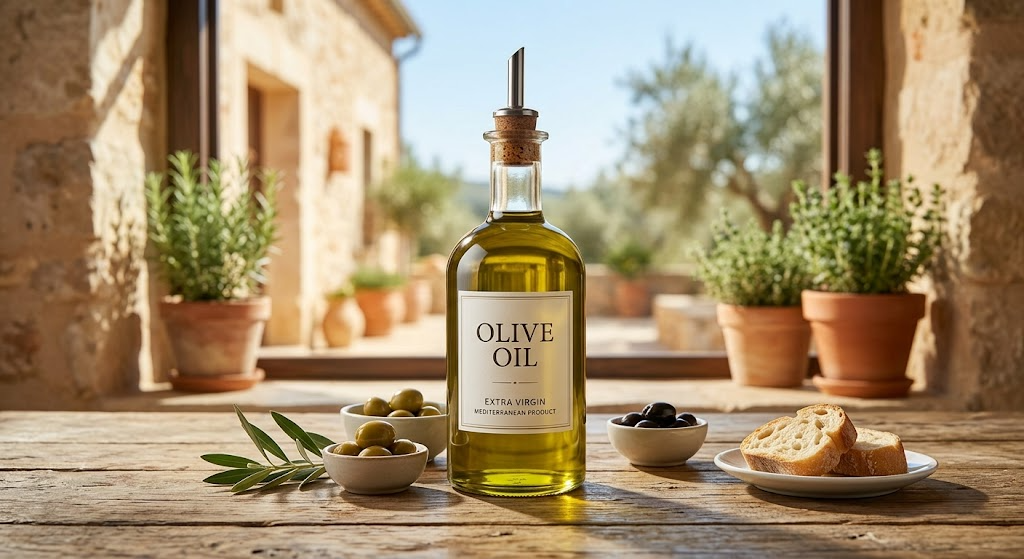
5. Olive Oil
Olive oil is rich in vitamin E and oleic acid, both of which support the skin’s natural barrier function. Use it sparingly on the face — a few drops warmed between your palms and pressed gently into skin works better than rubbing — and more generously on dry patches on the body like elbows, knees, and heels. Choose extra-virgin, cold-pressed olive oil for the most complete nutritional profile.
6. Avocado Mask
Avocado flesh contains oleic acid, vitamin E, and B vitamins that collectively support skin hydration and repair. Mash a quarter of a ripe avocado into a smooth paste and apply it to clean skin for 10–15 minutes before rinsing with lukewarm water. The texture is rich enough to feel noticeably nourishing even after a single application, making it a good weekend skin treat during particularly dry stretches.

7. Shea Butter
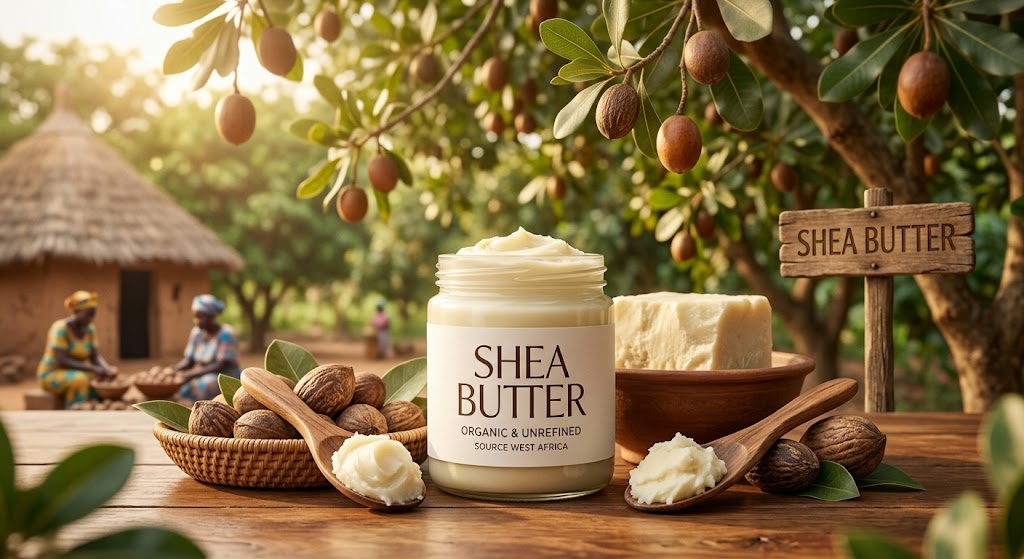
Shea butter is an occlusive — it sits on top of the skin and physically prevents water from evaporating, rather than adding moisture itself. This makes it most effective when applied over damp skin or on top of a hydrating serum or aloe layer. It’s particularly good for very dry, cracked skin on the body: heels, elbows, hands, and shins. Look for unrefined (raw) shea butter for the most active compound content.
8. Milk Compress
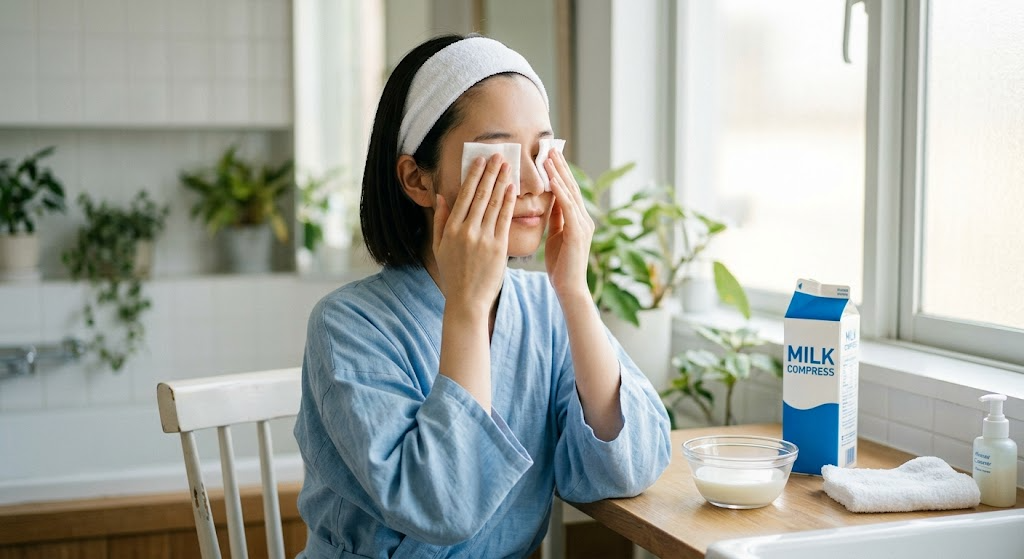
Cold milk applied to the skin delivers lactic acid — a gentle alpha hydroxy acid that softly exfoliates the flaky outer layer while the milk’s fat content hydrates simultaneously. Soak a soft cloth in cold whole milk, wring it out, and lay it over dry patches for 5–10 minutes. This is particularly useful for areas with built-up dry skin that isn’t absorbing moisturizer well — clearing the surface layer first helps everything else penetrate better.
9. Humidifier
This one isn’t a topical remedy, but it addresses the root cause — dry indoor air — more directly than anything you apply to your skin. A humidifier running in your bedroom while you sleep may help reduce overnight TEWL significantly by keeping ambient humidity at a skin-friendly level (ideally 40–60%). Consistent nighttime use is often the single most impactful environmental change for people with chronic winter skin dryness.

10. Drink More Water
Hydration from within supports skin’s ability to maintain its water content, though the relationship between water intake and visible skin hydration is more nuanced than “drink more, look dewier.” Dehydration does measurably worsen skin dryness, so ensuring adequate daily water intake — especially in winter when thirst signals are less prominent — provides a baseline that topical remedies build on more effectively.

11. Shorter, Cooler Showers
Hot water strips the skin’s natural lipid barrier faster than anything in your skincare routine. Switching to lukewarm water and limiting showers to five to seven minutes preserves more of the natural oils that slow water loss throughout the day. This is one of the changes that makes the biggest difference fastest — often noticeable within three to four days of consistent adjustment.

12. Fragrance-Free, Gentle Soap
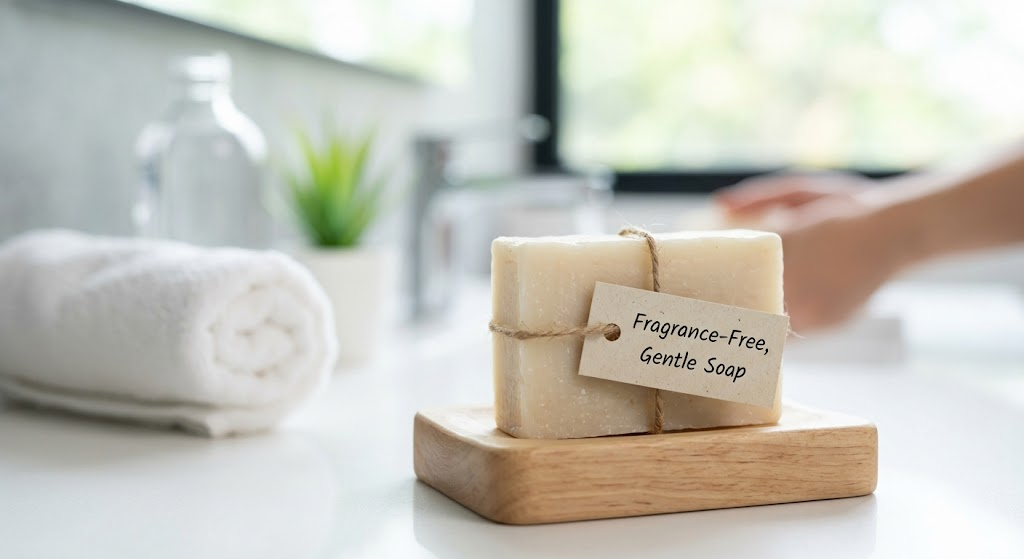
Many conventional soaps and body washes contain sulfates and synthetic fragrances that disrupt the skin barrier and increase water loss. Switching to a fragrance-free, pH-balanced cleanser — especially for the face and any particularly dry body areas — removes a daily source of barrier damage. Look for formulas labeled “gentle,” “for sensitive skin,” or “soap-free” as reliable starting points.
Best Natural Oils for Dry Skin
Different oils suit different skin types and needs:
Coconut oil — Rich and deeply moisturizing, best for the body and very dry patches. Too heavy for acne-prone or oily skin on the face.
Argan oil — Lightweight and high in vitamin E, absorbs quickly without greasiness. One of the most face-friendly natural oils across skin types.
Rosehip oil — Contains vitamin A and essential fatty acids with anti-aging benefits. Ideal for dry, mature, or dull skin on the face — use at night for best results.
Jojoba oil — Technically a wax ester that closely mimics the skin’s own sebum. Non-comedogenic and well-tolerated by most skin types, including combination and sensitive.
For body use, coconut or shea work well. For face use, argan, rosehip, and jojoba are gentler and less likely to cause congestion.
Simple Daily Routine to Prevent Dry Skin in Winter
Building a consistent daily routine prevents the dryness cycle from restarting between treatments:
- Cleanse with a gentle, fragrance-free, sulfate-free cleanser using lukewarm water
- Pat dry with a soft towel — never rub — and leave skin slightly damp
- Apply oil or butter (argan, jojoba, or shea) while skin is still damp to seal in moisture
- Layer moisturizer over the oil if needed — look for ingredients like hyaluronic acid, glycerin, or ceramides
- Apply SPF — UV exposure in winter, including through windows and on overcast days, continues to damage skin and worsen dryness
This sequence takes three to five minutes and makes a cumulative, compounding difference over weeks.
Frequently Asked Questions
What is the best home remedy for extremely dry skin? For very dry or cracked skin, the most effective approach combines an exfoliating step with an occlusive layer. Use a milk compress or gentle oatmeal scrub to remove the built-up flaky layer first, then apply shea butter or coconut oil to damp skin to seal in moisture. Doing this consistently at night — when the skin is in its primary repair cycle — produces the most noticeable improvement. For skin that is severely cracked, painful, or resembles eczema, a dermatologist visit is more appropriate than home care.
Does drinking water help dry skin? It helps as a foundation, but it won’t dramatically transform dry skin on its own. Adequate hydration prevents dehydration from worsening the skin’s water content and supports all the cellular processes involved in barrier repair. Think of it as the floor that topical remedies build on — necessary, but not sufficient by itself. Most dermatologists agree that topical moisturization is more directly effective for dry skin than increased water intake alone.
What oil is best for dry skin? For the face, argan oil or rosehip oil are widely recommended for their lightweight, fast-absorbing texture and high vitamin E content. For the body — especially very dry areas like heels and elbows — coconut oil and shea butter provide more intense occlusive coverage. Jojoba oil is one of the most universally well-tolerated options across skin types and works well for both face and body use without the heaviness of coconut or the cost of argan.
How can I moisturize my skin naturally overnight? The most effective overnight approach is applying a hydrating layer followed by an occlusive one before bed — the “sandwich” method. Apply aloe vera gel or a few drops of rosehip oil to clean, damp skin first, then layer a small amount of shea butter or coconut oil on top to seal it in. For hands and feet specifically, apply generously and sleep in thin cotton gloves or socks to allow deeper overnight absorption. A humidifier running in the bedroom adds another layer of overnight protection.
Why is my skin so dry even when I moisturize? This is usually one of three issues: applying moisturizer to completely dry skin (it needs some dampness to work with), using a moisturizer without occlusive ingredients that seals moisture in, or having a compromised skin barrier that needs targeted repair before regular moisturizers will be effective. Hot showers, harsh soaps, and fragrance in skincare products all compromise the barrier daily and can outpace even a good moisturizing routine. Switching to a fragrance-free cleanser and applying moisturizer within two minutes of getting out of the shower often resolves the issue. If skin remains persistently dry, flaky, or itchy despite these changes, a dermatologist can rule out underlying conditions like eczema or psoriasis.
Simple Changes, Real Results
The best home remedies for dry skin in winter work by replacing what winter strips away — natural oils, moisture, and barrier integrity. Coconut oil and shea butter for deep hydration, colloidal oatmeal for soothing irritation, and a humidifier for the overnight hours address the problem from the inside out and outside in simultaneously.
See a dermatologist for severe, cracked, or eczema-like skin symptoms that don’t respond to home care within two to three weeks.
This article is for informational and educational purposes only and does not constitute medical or dermatological advice. Consult a qualified healthcare professional or dermatologist for persistent or severe skin conditions.



Leave a Comment