How to Stop Hair Fall Naturally — Tips That Work
Finding clumps of hair in the shower drain or on your pillow is alarming — and far more common than most women realize. If you’ve been searching for how to stop hair fall naturally, you’re not alone: hair shedding that goes beyond the normal 50–100 strands per day affects a significant portion of women at some point in their lives, often without a clear explanation. The good news is that many of the most common causes of hair fall are addressable through targeted nutrition, scalp care, and lifestyle changes. Here’s a practical breakdown of what’s driving it — and twelve natural approaches that may help.
Common Causes of Hair Fall
Before reaching for a treatment, identifying your most likely cause matters. The right approach for stress-induced shedding is different from the right approach for nutritional deficiency — and some causes resolve on their own while others need medical attention.
Nutritional deficiencies are among the most common and correctable causes in women. Iron deficiency is particularly significant — even ferritin levels at the low end of “normal” range can impair hair follicle function. Biotin, zinc, and protein deficiency also affect hair growth directly, since hair is made primarily of keratin protein.
Stress — telogen effluvium is the medical term for the hair loss that follows a significant stressor (illness, surgery, major life upheaval, or prolonged emotional stress). It typically appears 2–4 months after the triggering event — which is why many women can’t connect the dots between cause and effect.
Hormonal changes including thyroid dysfunction, postpartum hormone shifts, and perimenopause/menopause are major drivers of female hair loss. The AAD identifies androgenetic alopecia (hormonal, genetic-pattern hair thinning) as the most common cause overall.
Tight hairstyles (ponytails, braids, extensions) cause traction alopecia — physical stress on the follicle that, over time, can cause permanent damage.
Harsh hair products — particularly shampoos with sulfates and heat styling at high temperatures — damage the hair cuticle and cause breakage that looks like hair loss.
Medications including antidepressants, blood thinners, and hormonal contraceptives can trigger shedding as a side effect.
Age naturally changes follicle cycling — hair grows more slowly and the growth phase shortens with each decade.
12 Natural Tips to Stop Hair Fall
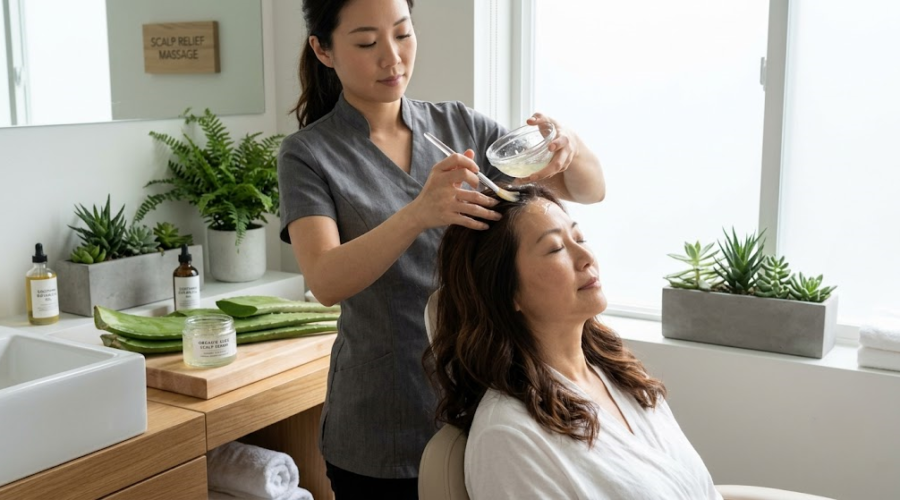
1. Daily Scalp Massage
A four-minute daily scalp massage may help improve blood circulation to hair follicles, delivering more oxygen and nutrients to the root. A small 2019 study found that standardized scalp massage increased hair thickness in participants over 24 weeks. Use your fingertips (not nails) in slow, firm circular motions across the scalp — doing this while applying oil doubles the benefit by combining mechanical stimulation with topical nourishment. Even two minutes in the shower while washing can make a consistent difference over months.

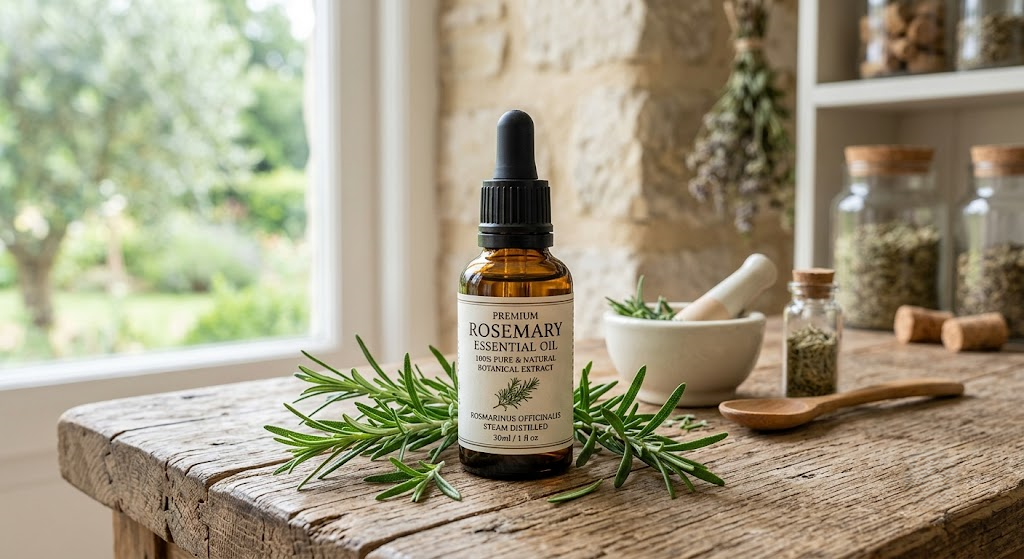
2. Rosemary Oil
Rosemary oil has more clinical support than almost any other natural hair loss remedy. A 2015 study published in SKINmed Journal found that rosemary oil applied to the scalp performed comparably to 2% minoxidil for androgenetic alopecia over six months — with less scalp itching reported in the rosemary group. Dilute 3–5 drops in a tablespoon of carrier oil (coconut or jojoba), massage into the scalp, and leave for at least 30 minutes before washing. Consistency over several months is key — results from the study appeared gradually.
3. Eat More Protein
Hair is made almost entirely of keratin, a structural protein assembled from amino acids. Without adequate dietary protein, the body deprioritizes hair growth in favor of more essential functions. The NIH recommends 0.8 grams of protein per kilogram of body weight as a minimum, but for hair support, aiming for 50–75 grams daily from complete sources — eggs, poultry, fish, legumes, Greek yogurt — provides the amino acid foundation follicles need to produce strong, fast-growing hair.

4. Prioritize Iron-Rich Foods
Iron deficiency is considered the most common nutritional cause of hair loss in women of reproductive age, according to dermatology research. The connection is direct: iron is essential for producing hemoglobin, which carries oxygen to follicle cells. Even ferritin levels in the lower range of “normal” — without full anemia — may be low enough to impair hair growth. Iron-rich foods include lean red meat, lentils, spinach, pumpkin seeds, tofu, and fortified cereals. Always pair plant-based iron sources with vitamin C to significantly improve absorption.


5. Eat Biotin-Rich Foods
Biotin (vitamin B7) is essential for keratin synthesis — the process that builds the hair shaft. While biotin deficiency is less common than iron deficiency, symptoms include brittle hair, increased shedding, and slow growth. Rather than supplementing blindly, build biotin-rich foods into your diet consistently: eggs (especially the yolk) are the best single source; almonds, walnuts, and peanut butter deliver meaningful amounts; sweet potatoes are a strong plant-based option alongside other hair-supportive nutrients. If you eat raw egg whites frequently, be aware that avidin in raw whites blocks biotin absorption — cooked eggs don’t carry this issue.

6. Reduce Heat Styling
High-temperature styling tools (flat irons, curling wands) damage the hair’s cuticle layer — the protective outer scale that keeps moisture in and prevents breakage. This isn’t the same as follicle hair loss, but the breakage it causes mimics shedding and makes overall hair volume decrease visibly. Reducing heat tool use to two to three times per week, using a heat protectant spray before styling, and keeping temperatures below 365°F for fine or damaged hair can dramatically reduce this type of loss within a few weeks.

7. Switch to a Gentle Sulfate-Free Shampoo
Sodium lauryl sulfate and similar surfactants in conventional shampoos are highly effective cleansers — sometimes too effective. They strip the scalp’s natural oil (sebum), triggering both dryness and compensatory oil production, and can cause enough irritation to contribute to follicle inflammation over time. Sulfate-free formulas clean adequately while maintaining scalp barrier integrity. If you’re also experiencing scalp itching or flaking alongside hair fall, the shampoo formula is worth addressing before trying more complex interventions.

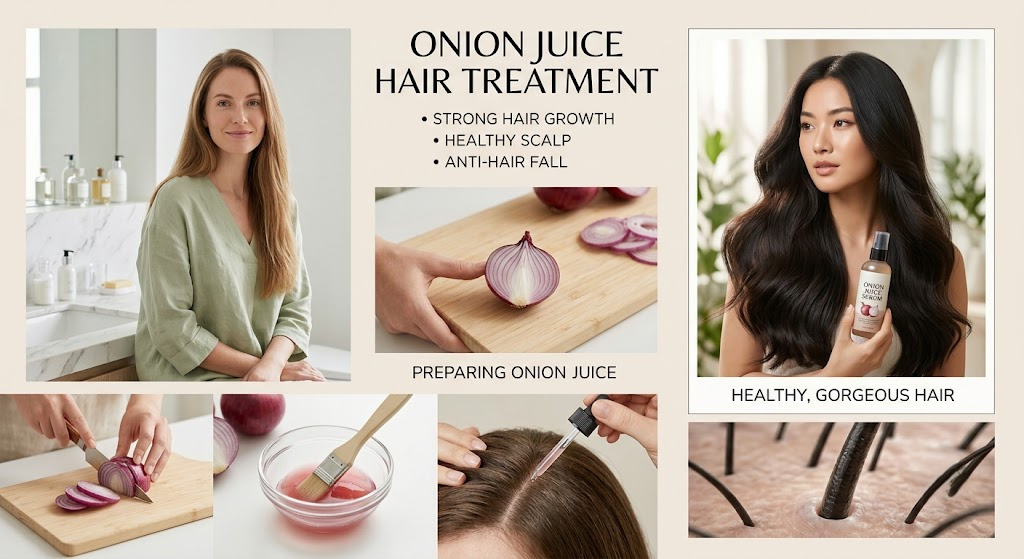
8. Onion Juice Treatment
Onion juice is one of the more thoroughly studied traditional hair fall remedies. Its high sulfur content supports keratin production and may help improve blood circulation to the scalp. A 2002 clinical study found that applying onion juice to the scalp twice weekly for two months produced significantly more hair regrowth than a control treatment. Apply freshly squeezed onion juice to the scalp, leave for 30 minutes, then wash out with a mild shampoo. The smell is significant — but it washes out completely.
9. Aloe Vera Scalp Treatment
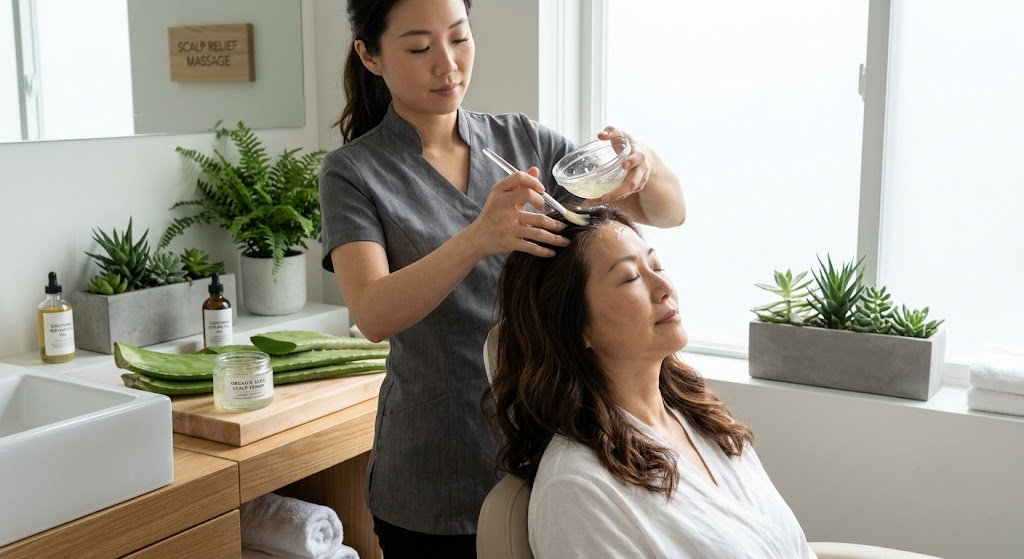
Aloe vera gel applied to the scalp may help soothe irritation, balance scalp pH, and gently clear the buildup on follicle openings that can impede healthy hair growth. Its enzymes help break down dead skin cells around the follicle, and its anti-inflammatory compounds reduce the scalp inflammation that can contribute to shedding. Apply pure aloe gel (fresh from the leaf or 99%+ store-bought) directly to the scalp, massage gently, leave for 30–60 minutes, then rinse. Safe for daily use and particularly useful for those with sensitive or inflamed scalps.
10. Manage Stress Actively
The link between stress and hair fall is direct and physiological. Elevated cortisol disrupts the hair follicle cycle, pushing follicles prematurely into the resting (telogen) phase — which is why significant shedding typically appears 2–4 months after a period of intense stress, when those resting follicles shed simultaneously. Whatever your stress management practice — consistent exercise, breathwork, journaling, therapy — reducing baseline cortisol levels is one of the most important levers for stopping stress-induced hair fall. Telogen effluvium from a one-time stressor typically resolves on its own once the stressor passes.

11. Prioritize 7–9 Hours of Sleep
Human growth hormone — which plays a role in the anabolic processes of hair follicle activity — peaks during deep sleep. Chronic sleep deprivation also elevates cortisol, creating the same hormonal disruption as stress-induced hair fall. Prioritizing consistent, quality sleep doesn’t just support overall health; it directly affects the follicle environment during the hours when cellular repair and growth are most active.

12. Stay Adequately Hydrated
Hair shafts are approximately 25% water, and dehydration affects their structural integrity — contributing to dryness, brittleness, and the kind of breakage that mimics hair loss. Adequate hydration also supports circulation to the scalp and the efficient delivery of nutrients to follicle cells. Eight or more glasses of water daily is the standard recommendation, supplemented by water-rich foods like cucumber, watermelon, and leafy greens for sustained cellular hydration.

Best Foods to Prevent Hair Fall
| Food | Key Nutrients | Hair Benefit |
|---|---|---|
| Eggs | Biotin, complete protein, selenium | Keratin synthesis, follicle structure |
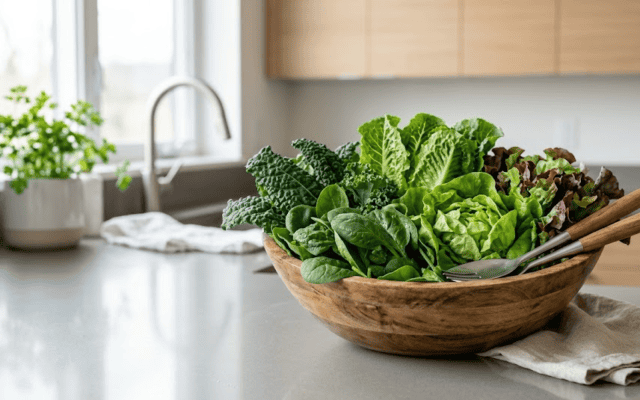
| Spinach | Iron, folate, vitamin C | Oxygen delivery to follicles |
| Fatty fish (salmon, sardines) | Omega-3, vitamin D, selenium | Reduces scalp inflammation |
| Sweet potato | Beta-carotene (vitamin A) | Regulates sebum, supports scalp health |
| Nuts (almonds, walnuts, Brazil nuts) | Zinc, selenium, vitamin E | Antioxidant protection, follicle repair |
| Beans and lentils | Plant protein, iron, zinc | Keratin production, oxygen delivery |
| Avocado | Vitamin E, healthy fats | Scalp barrier function, antioxidant protection |
When to See a Doctor
Natural remedies work well for nutritional, stress-related, and product-related hair fall — but certain patterns need professional evaluation rather than a home treatment protocol.
See a dermatologist if you notice:
- Sudden, large-scale shedding — significantly more than your normal rate, appearing quickly
- Bald patches or clearly visible scalp in areas that were previously covered
- Hair loss accompanied by fatigue, weight changes, or feeling cold — these combinations can indicate thyroid dysfunction
- No meaningful improvement after 6 months of consistent home treatment
Ask your doctor to check: ferritin (not just hemoglobin — ferritin is the sensitive marker for iron storage), full thyroid panel (TSH, free T3, free T4), and vitamin D levels. These are the blood markers most commonly associated with correctable hair loss in women, and they’re frequently the answer when shedding doesn’t respond to surface-level interventions.
Frequently Asked Questions
What is the fastest way to stop hair fall? The fastest meaningful intervention depends on the cause. If the fall is nutrition-related, addressing the specific deficiency — particularly iron — can reduce shedding within 4–8 weeks of correction. For breakage from heat and product damage, switching to gentle practices produces visible improvement within weeks. For telogen effluvium from stress, resolving the stressor and consistent scalp care are the primary levers — shedding typically reduces over 3–6 months as new growth cycles. There is no truly instant fix, but identifying and addressing the specific cause is always the fastest path.
Can stress cause hair fall? Yes — it’s one of the most common causes in women, and it’s called telogen effluvium. The mechanism is direct: elevated cortisol from physical or emotional stress pushes hair follicles prematurely into the resting phase. When those follicles shed simultaneously, 2–4 months later, the result is the alarming handfuls of hair that feel sudden and inexplicable. The reassuring part: telogen effluvium from a defined stressor typically resolves on its own, and the shedding doesn’t damage the follicles — regrowth follows.
Which oil is best for hair fall? Rosemary oil has the strongest evidence base of any topical oil for hair fall, specifically for androgenetic alopecia, with a 2015 study showing results comparable to 2% minoxidil. Castor oil is widely used and may support scalp health through its ricinoleic acid content, though clinical evidence is more limited. Coconut oil penetrates the hair shaft better than most oils, reducing protein loss and breakage — it’s best used as a carrier for rosemary oil. For maximum effect: dilute rosemary oil in coconut or jojoba oil and massage into the scalp 3–4 times per week.
Is hair fall reversible? Most hair fall is reversible — particularly when caused by nutritional deficiency, stress, telogen effluvium, product damage, or hormonal changes that resolve (like postpartum shedding). Once the underlying cause is addressed, follicles that are still intact will regrow hair, though the full cycle takes 3–6 months from correction to visible regrowth. The exception is androgenetic alopecia (genetic pattern hair thinning) and traction alopecia from long-term tight hairstyles — both can cause permanent follicle damage if not addressed early enough. This is why early intervention matters.
Does biotin stop hair loss? Biotin supplementation may help stop hair loss specifically when biotin deficiency is the cause — which, while real, is less common than many supplement marketing campaigns suggest. For people with adequate biotin levels, additional supplementation is unlikely to produce significant improvement. Building biotin-rich whole foods (eggs, nuts, sweet potato) into your diet is the most appropriate first step. If you’re considering supplementation, be aware that high-dose biotin can interfere with thyroid blood test results — inform your doctor if you’re taking it before getting lab work done.
Start Simple, Stay Consistent
Learning how to stop hair fall naturally comes down to understanding your specific cause and addressing it consistently over time. Scalp massage with rosemary oil, protein and iron at every meal, stress management, and gentle hair care form the most effective foundation for most women experiencing shedding. Give your protocol at least 3–4 months before evaluating results — hair growth is a slow cycle, and natural interventions work gradually.
See a dermatologist for sudden, severe, or patchy hair loss. For more on the vitamins and supplements most relevant to hair health, explore our Vitamins & Supplements category.
This article is for informational purposes only and does not constitute medical or dermatological advice. Consult a qualified healthcare professional for significant or persistent hair loss.
Leave a Comment