Best Foods to Eat for All-Day Energy (Not Coffee)
If you’re reaching for your third cup of coffee by 2pm just to function, your diet might be the real problem — not your sleep. The afternoon energy crash that millions of working adults experience daily is frequently driven by blood sugar swings, inadequate protein, and dehydration rather than actual tiredness. The right foods for energy create a steady, sustainable fuel supply that doesn’t come with a crash or a dependency. Here are the twelve best options — and why each one works.
Why Do We Feel Tired After Eating?
The post-meal slump is one of the most common energy complaints, and it’s almost always a blood sugar story.
When you eat refined carbohydrates — white bread, sugary cereals, pastries, sweetened drinks — your blood glucose rises quickly, triggering a large insulin response that brings it back down rapidly. That sharp drop is what you experience as the energy crash, brain fog, and sudden need for caffeine or sugar that hits an hour or two after eating.
Steady blood sugar equals steady energy. Protein, healthy fats, and fiber all slow the absorption of carbohydrates — flattening the spike and extending the fuel release over several hours instead of delivering it all at once and then leaving you depleted. Dehydration compounds the problem: even mild fluid loss significantly reduces physical and mental energy, and thirst is frequently misinterpreted as hunger or fatigue.
12 Best Foods for All-Day Energy
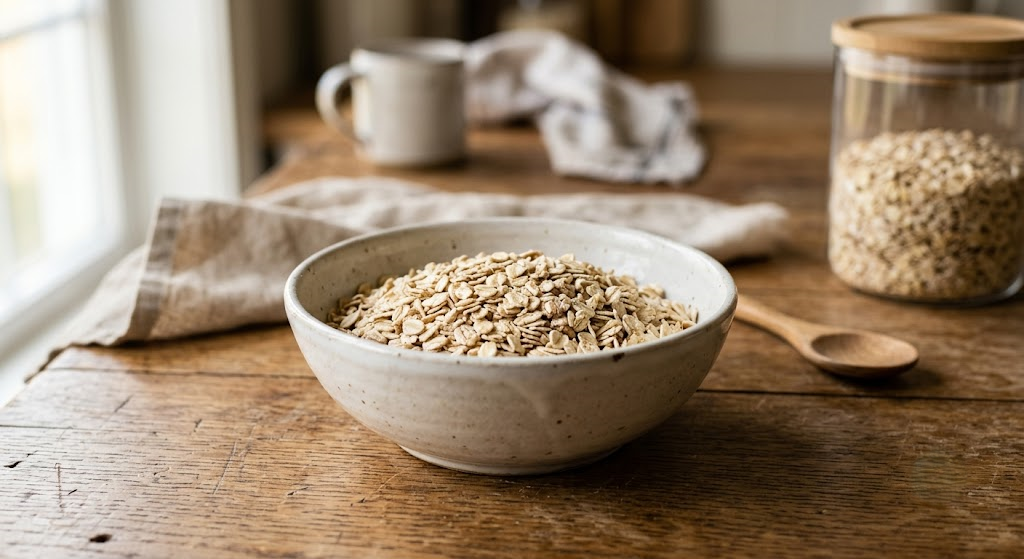
1. Oats
Oats are the gold standard slow-release energy food. Their soluble fiber — specifically beta-glucan — forms a thick gel in the digestive tract that slows carbohydrate absorption, delivering a steady stream of glucose to the bloodstream rather than a spike-and-crash. Research suggests beta-glucan also supports gut bacteria that regulate energy metabolism. Cook rolled oats with milk, top with a tablespoon of almond butter and some berries, and you’ve built one of the most blood-sugar-stable breakfasts possible.
2. Eggs
Eggs provide complete protein alongside choline — a nutrient used to synthesize acetylcholine, the neurotransmitter most directly involved in alertness, attention, and cognitive energy. Two eggs deliver 6g of highly bioavailable protein each alongside vitamins B2, B6, and B12, all of which are required for converting food into cellular energy. Scrambled, poached, or hard-boiled, they’re one of the most versatile and energy-consistent breakfast options available.

3. Bananas
Bananas deliver a combination that few single foods match: natural sugars (fructose, glucose, sucrose) for quick energy, vitamin B6 for neurotransmitter production, and potassium for muscle function and the electrolyte balance that prevents fatigue. They’re a pre-workout favorite among athletes for good reason — they provide fast-available fuel without the sugar crash that comes from processed sports drinks. Pair with almond butter for a protein-fat combination that extends the energy well beyond the banana alone.

4. Sweet Potatoes
Sweet potatoes are one of the best complex carbohydrate sources for sustained energy — their starch digests slowly, releasing glucose steadily rather than sharply. They’re also rich in vitamin A (from beta-carotene), manganese, and vitamin C, all of which support the mitochondrial function that generates cellular energy. Roasted sweet potato as a lunch side or dinner base provides sustained afternoon energy that white rice and pasta simply don’t.

5. Almonds
Almonds are a particularly powerful energy food because they address one of the most overlooked fatigue drivers: magnesium deficiency. Magnesium is required for over 300 enzymatic reactions in the body, including every step of ATP (cellular energy) production — and research estimates that a significant portion of US adults don’t meet the recommended daily intake. A small handful of almonds (about 23 nuts) provides 19% of the daily magnesium target alongside healthy fats and protein that sustain energy between meals.

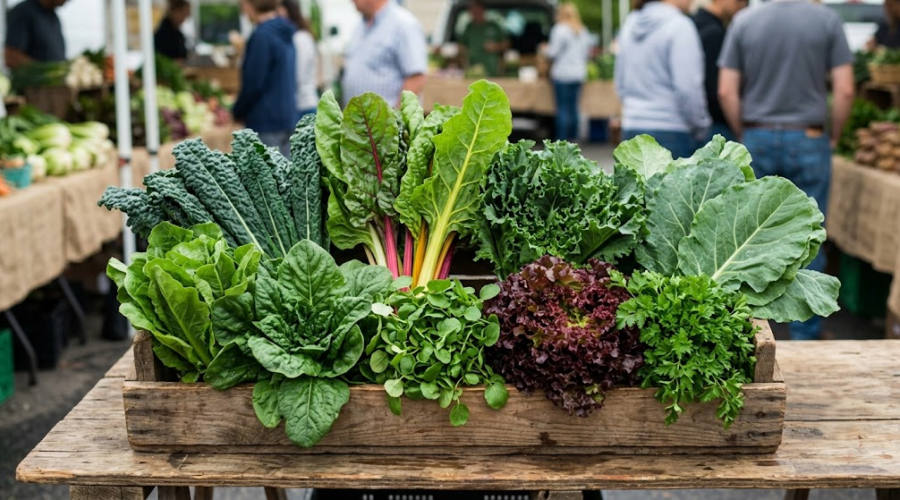
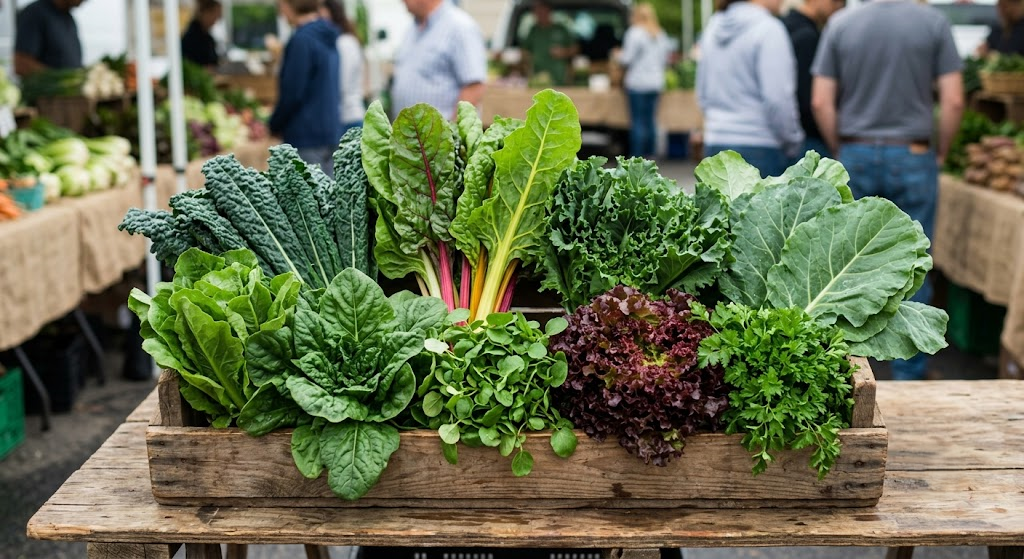
6. Leafy Greens (Spinach, Kale, Swiss Chard)
Iron deficiency is one of the most common nutritional causes of fatigue in women of reproductive age, and dark leafy greens are among the best plant-based iron sources available. Beyond iron, spinach and kale provide folate and B vitamins that are essential cofactors in energy metabolism — without them, the cellular machinery that converts food into ATP runs less efficiently. A large handful in a morning smoothie, a salad at lunch, or sautéed at dinner consistently adds up to meaningful energy support over time.
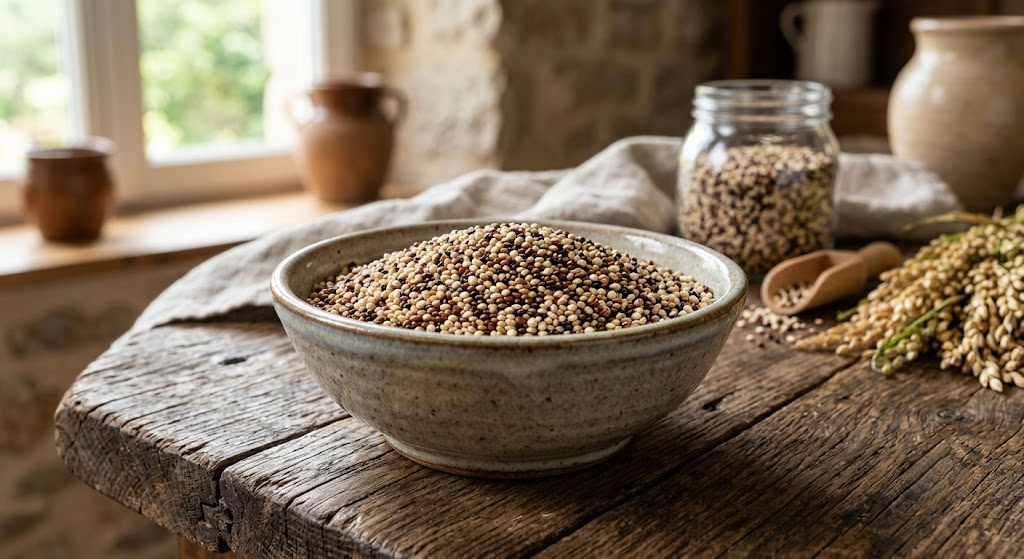
7. Quinoa
Quinoa is distinctive because it provides complete protein alongside complex carbohydrates — a combination rare in plant foods. A cup of cooked quinoa delivers 8g of protein plus the slow-release energy of a low-glycemic grain, making it one of the best lunch bases for sustained afternoon performance. It’s also rich in iron, magnesium, and manganese — three minerals directly involved in energy production pathways. Swap white rice for quinoa in grain bowls and notice the difference in how long the energy lasts.
8. Salmon
Salmon’s energy contribution comes through two distinct pathways: omega-3 fatty acids (EPA and DHA) that reduce the neuroinflammation associated with brain fog and cognitive fatigue, and vitamin B12 that’s essential for forming the red blood cells that carry oxygen to brain and muscle tissue. Low B12 is one of the most common reversible fatigue causes in adults who eat limited animal products. Two servings of salmon per week covers most adults’ B12 and omega-3 needs while providing lean, high-quality protein for sustained energy.

9. Chia Seeds
Chia seeds deliver a remarkable nutritional combination in a tiny package: omega-3 fatty acids, soluble fiber, and plant protein all in two tablespoons. The soluble fiber forms a gel in the digestive tract that slows carbohydrate absorption and sustains energy release — the same mechanism as oats, in a format that can be added to almost anything. Stir into overnight oats, blend into smoothies, or make chia pudding the night before. They’re one of the most versatile energy-supporting additions to any eating pattern.

10. Lentils
Lentils are the most energy-complete plant-based food most people aren’t eating enough of. They provide iron, plant protein, and slow-digesting complex carbohydrates in one ingredient — a combination that addresses three distinct fatigue drivers simultaneously. A cup of cooked lentils delivers 18g of protein, 7mg of iron (nearly half the daily target for women), and a low glycemic index that sustains energy for hours after eating. Add them to soups, grain bowls, or eat them as a side dish with lemon and olive oil.

11. Greek Yogurt
Greek yogurt’s energy benefits come from protein (17g per cup), vitamin B12 for cellular energy metabolism, and probiotics that support the gut bacteria increasingly linked to fatigue regulation. Research is accumulating around the gut-brain axis and its role in energy and mood — a well-supported microbiome appears to influence neurotransmitter production and the efficiency of nutrient absorption. Plain Greek yogurt with berries and a tablespoon of granola makes a quick, high-protein afternoon snack that stabilizes energy through to dinner.

12. Water — The Forgotten Energy Food
Mild dehydration — as little as 1–2% of body weight in fluid loss — produces measurable reductions in cognitive performance, mood, and physical energy. Because thirst signals are often weak and ambiguous, dehydration frequently presents as fatigue, brain fog, or hunger rather than thirst. Research suggests that many afternoon energy slumps respond to a large glass of water at least as well as caffeine. Aim for consistent hydration throughout the day rather than catching up in large amounts — carry a water bottle and drink before you feel thirsty.

Foods That Drain Your Energy to Avoid
Just as important as what you eat for energy is what you reduce:
- White bread, white rice, and refined carbohydrates — spike blood glucose quickly and produce the crash that defines the afternoon slump
- Sugary drinks and candy — deliver fast energy followed by an equally fast collapse, plus they displace nutrients needed for sustained energy production
- Ultra-processed snack foods — typically high in refined carbs, sodium, and additives with minimal protein or fiber to buffer the blood sugar impact
- Excessive alcohol — even moderate evening consumption disrupts sleep quality and contributes to morning fatigue and reduced daytime energy
- Skipping meals — allows blood glucose to drop significantly, triggering fatigue, irritability, and impaired concentration before the next meal
A Sample Energy-Boosting Day of Eating
Here’s what a day optimized for steady energy looks like in practice:
Breakfast: Rolled oats with almond butter, berries, and two scrambled eggs on the side — slow carbs, protein, and healthy fats combined for a 4–5 hour energy window.
Mid-morning snack: A small handful of almonds and a banana — magnesium, natural sugars, and potassium to bridge to lunch without a slump.
Lunch: Quinoa bowl with grilled salmon, roasted sweet potato, and a handful of spinach dressed with olive oil and lemon — the most energy-complete meal of the day.
Afternoon snack: Plain Greek yogurt with a handful of berries — protein, probiotics, and B12 to navigate the 3pm window without caffeine.
Dinner: Lentil and vegetable soup with a slice of whole grain bread — slow-release carbs and plant iron that support overnight recovery and next-morning energy.
Frequently Asked Questions
What food gives you energy immediately? For quick energy, bananas and dates are among the most effective whole-food options — they provide fast-digesting natural sugars without the artificial spike-and-crash of candy or energy drinks. For longer-lasting quick energy (rather than a 30-minute burst), pairing a banana with almond butter or a handful of nuts extends the fuel window significantly by adding protein and fat. Rehydrating with water also frequently provides immediate energy improvement if dehydration is the underlying cause.
Why do I feel tired after eating? Post-meal fatigue is almost always a blood sugar response. When a meal is heavy in refined carbohydrates with minimal protein, fat, or fiber, blood glucose rises sharply and then falls quickly when insulin clears it — and that drop is felt as tiredness, brain fog, and the urge for caffeine. Eating balanced meals that include protein, healthy fats, and fiber at every sitting significantly reduces post-meal fatigue by flattening the blood sugar curve. Overeating in general — regardless of food quality — also diverts blood flow to digestion and can cause temporary drowsiness.
What should I eat to stop feeling tired? Start with water — dehydration is an underappreciated fatigue driver. Then assess whether your meals include adequate protein (25g+) and whether you’re eating too many refined carbohydrates without balancing fiber and fat. The foods in this guide — oats, eggs, leafy greens, salmon, lentils, almonds — address the most common nutritional causes of fatigue (iron deficiency, low magnesium, B vitamin shortfalls, blood sugar instability) when eaten consistently. Persistent fatigue that doesn’t respond to dietary improvement after several weeks is worth discussing with a doctor, as it can indicate thyroid dysfunction, anemia, or other correctable conditions.
Is coffee bad for energy long-term? Coffee isn’t bad per se, but dependency on caffeine as a primary energy source often masks the dietary and lifestyle factors actually driving fatigue. Caffeine blocks adenosine receptors rather than replenishing depleted energy — it delays the feeling of tiredness without addressing its root cause. Regular high caffeine intake also raises cortisol, can disrupt sleep quality, and creates a tolerance that requires increasingly more coffee to achieve the same alertness effect. Using caffeine strategically (one to two cups in the morning) rather than reactively (several cups throughout the day) is a more sustainable approach.
What is the best breakfast for all-day energy? The most consistently energy-stable breakfast combines slow-release complex carbohydrates, adequate protein, and healthy fat — which is exactly what oats with eggs, almond butter, and berries delivers. The oats provide beta-glucan for steady glucose release; the eggs supply complete protein and choline; the almond butter adds magnesium and healthy fat; the berries provide antioxidants and a modest fiber contribution. This combination typically sustains energy and cognitive function for 4–5 hours without requiring caffeine — which is the practical test of a genuinely effective breakfast.
What You Eat Is Where Your Energy Comes From
No supplement or stimulant replaces the foundational energy that comes from well-chosen foods for energy eaten consistently. Oats, eggs, leafy greens, salmon, almonds, and lentils address the actual biochemical causes of fatigue — not just the symptoms. Build two or three of these into every meal, reduce the blood-sugar-spiking foods that create the crashes, and stay hydrated. The 3pm slump becomes optional.



Leave a Comment