Easy High-Fiber Breakfast Recipes for Digestive Health
Your breakfast sets the tone for your entire digestive system. Starting with fiber-rich foods may help keep things moving smoothly all day — supporting the beneficial gut bacteria that regulate digestion, reducing bloating, and preventing the mid-morning energy crash that comes from a low-fiber, high-sugar start. If you’ve been looking for high-fiber breakfast recipes that are genuinely easy to make and actually taste good, this is your guide. Each recipe below comes with the fiber content so you can build toward the daily target without any guesswork.
Why Fiber at Breakfast Matters for Digestion
Dietary fiber comes in two forms, and both matter for digestive health.
Soluble fiber — found in oats, chia seeds, and fruits — dissolves in water to form a gel that feeds beneficial gut bacteria, slows digestion, and helps stabilize blood sugar through the morning. Insoluble fiber — found in whole grains, flaxseed, and leafy greens — adds bulk to stool and helps keep bowel movements regular.
The gap between what Americans actually eat and what the body needs is significant: the average US adult consumes approximately 15 grams of fiber daily, while the recommended intake is 25–38 grams depending on age and sex. Research suggests that increasing dietary fiber is associated with improved gut microbiome diversity, reduced bloating, better bowel regularity, and lower risk of digestive conditions.
Breakfast is the most practical meal to close this gap — the recipes below deliver 6–10 grams of fiber per serving, making a meaningful dent in the daily target before 9am.
10 Easy High-Fiber Breakfast Recipes
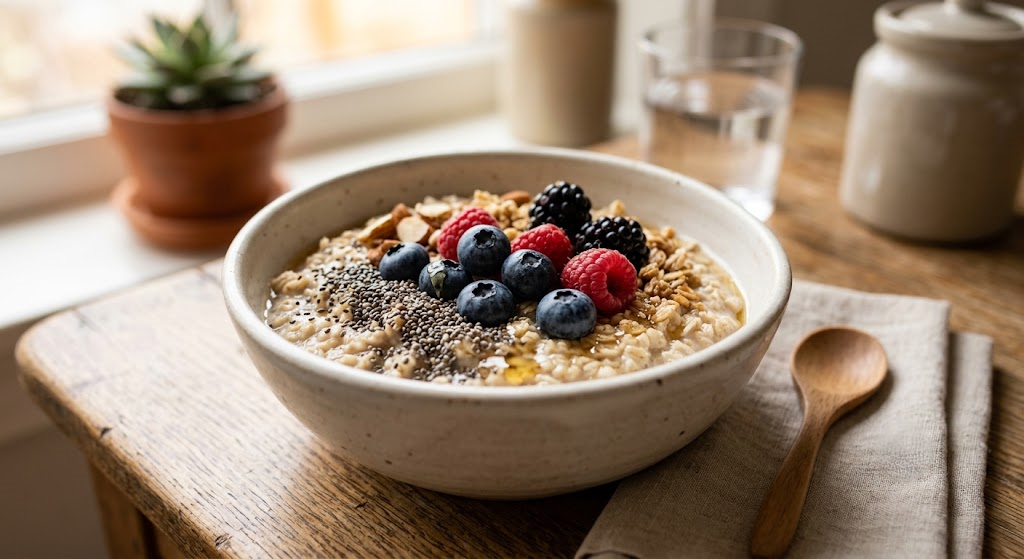
1. Oatmeal with Chia Seeds and Berries
Fiber: ~10g per serving | Prep time: 5 minutes
Cook ½ cup of rolled oats with 1 cup of water or milk until creamy. Stir in 1 tablespoon of chia seeds and top with ½ cup of mixed berries. The oats deliver soluble beta-glucan fiber that research specifically links to improved gut motility; the chia seeds add an additional 5g of fiber; and berries contribute anthocyanins alongside their fiber content. A pinch of cinnamon and a drizzle of honey rounds it out without adding refined sugar.
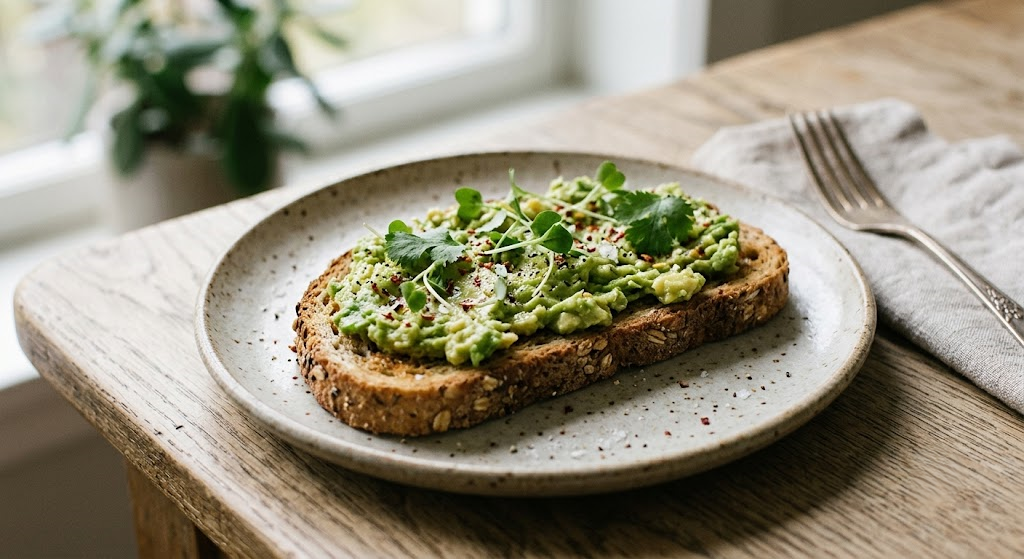
2. Avocado Toast on Whole Grain Bread
Fiber: ~8g per serving | Prep time: 5 minutes
Toast two slices of 100% whole grain bread (check that whole wheat flour is the first ingredient). Mash half a large avocado with lemon juice, salt, and a pinch of chili flakes. The whole grain bread contributes insoluble fiber that adds bulk and aids bowel regularity; avocado delivers 5g of fiber per half alongside healthy monounsaturated fats. Add a poached egg or a sprinkle of hemp seeds to boost protein alongside the fiber hit.
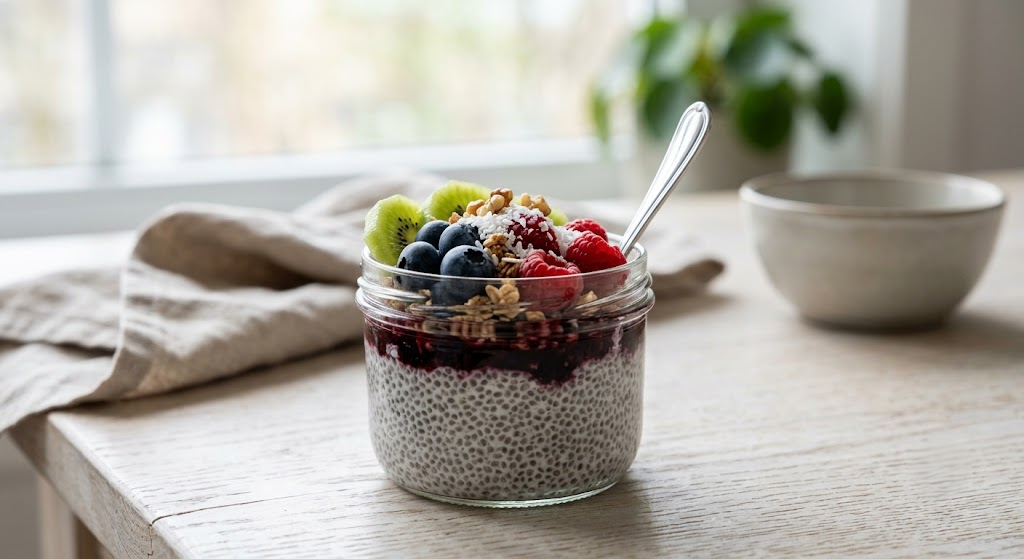
3. Chia Seed Pudding
Fiber: ~10g per serving | Prep time: 5 minutes (overnight)
Stir 3 tablespoons of chia seeds into 1 cup of unsweetened almond or coconut milk with a teaspoon of maple syrup and a pinch of vanilla. Refrigerate overnight — the seeds absorb the liquid and expand into a thick, creamy pudding. Top in the morning with sliced mango, kiwi, or berries. Chia seeds are one of the most fiber-dense foods available per gram — 3 tablespoons delivers approximately 10g of fiber, almost entirely soluble, which gels in the gut and feeds beneficial bacteria.
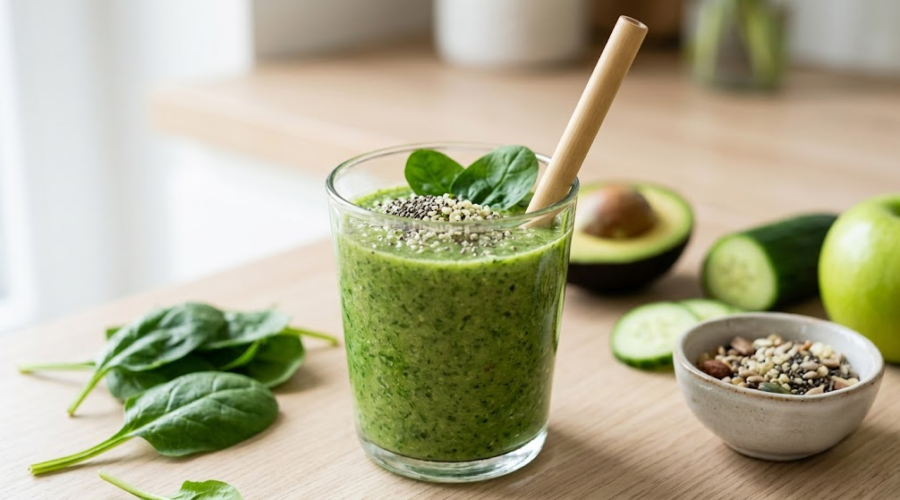
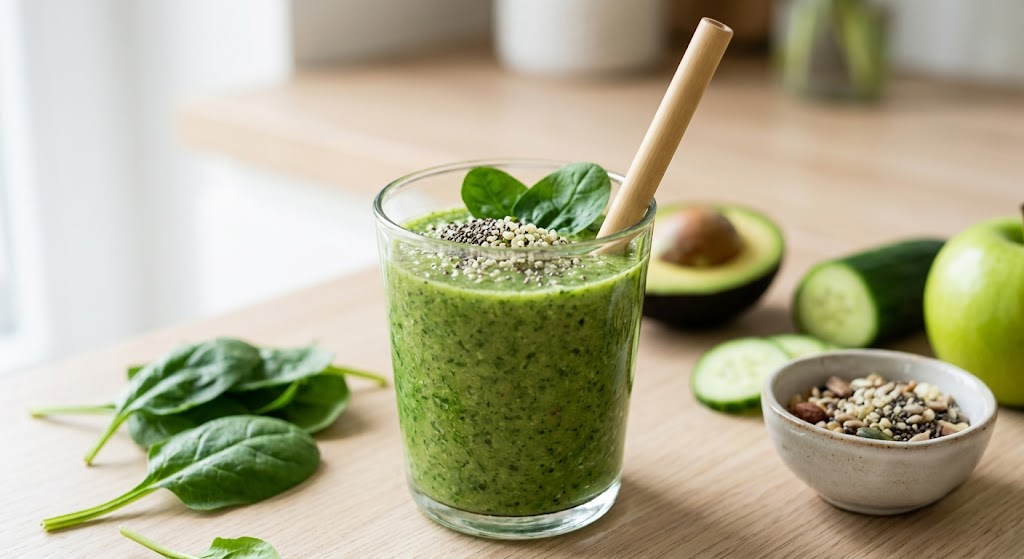
4. Green Fiber Smoothie
Fiber: ~7g per serving | Prep time: 4 minutes
Blend together: 1 frozen banana, 2 large handfuls of baby spinach, 1 tablespoon of ground flaxseed, 1 cup of almond milk, and ½ cup of frozen mango. The banana contributes resistant starch (a prebiotic fiber) alongside regular fiber; spinach adds insoluble fiber and iron; flaxseed delivers both soluble and insoluble fiber alongside omega-3 fatty acids. The mango masks the spinach completely — this smoothie is genuinely green and genuinely delicious.
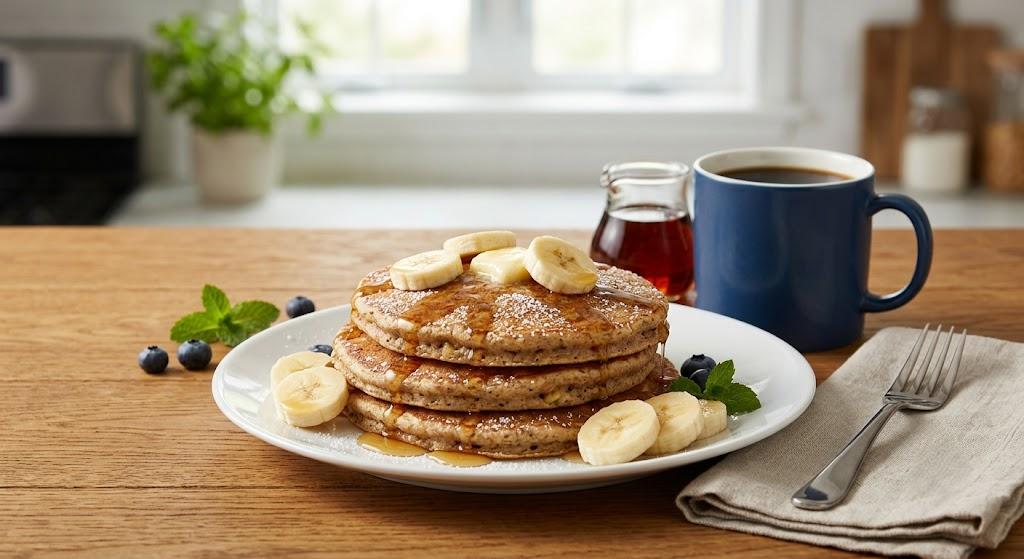
5. Whole Grain Banana Pancakes
Fiber: ~6g per serving | Prep time: 10 minutes
Blend together 1 ripe banana, 2 eggs, and ½ cup of rolled oats until smooth. Cook small pancakes in a non-stick pan over medium heat for 2–3 minutes per side. These three-ingredient pancakes deliver fiber from the oats and banana, protein from the eggs, and the natural sweetness of the banana means no added sugar is needed. Serve topped with Greek yogurt and fresh berries for an additional fiber boost that brings the total closer to 9g.
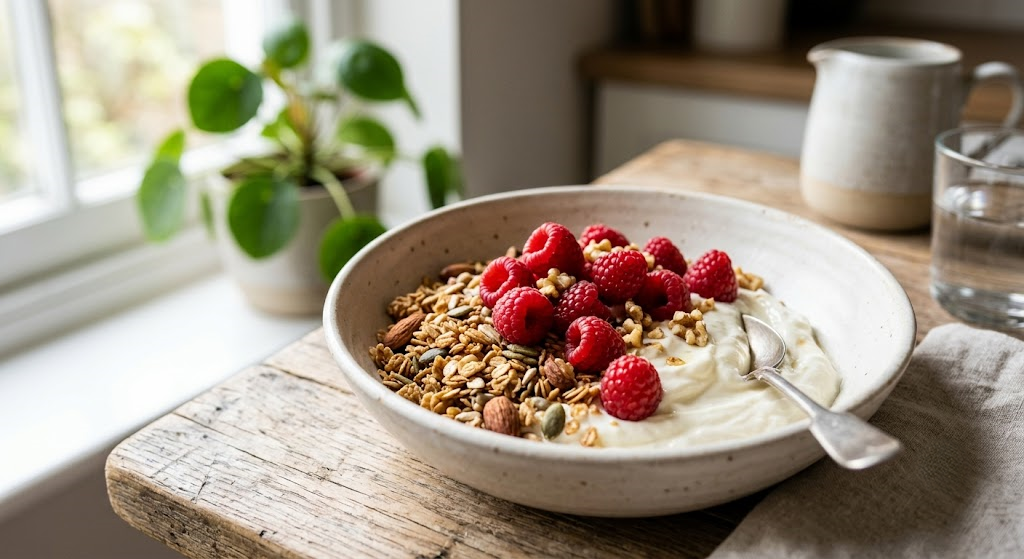
6. Greek Yogurt with Granola and Raspberries
Fiber: ~8g per serving | Prep time: 2 minutes
Layer 1 cup of plain Greek yogurt with ¼ cup of low-sugar granola and ½ cup of fresh raspberries. Raspberries are one of the highest-fiber fruits available at approximately 4g per half cup — combined with the granola’s whole grain fiber and the yogurt’s probiotics, this is one of the most gut-health-complete breakfasts you can assemble in two minutes. Choose plain yogurt over flavored to avoid the added sugar that can counteract the digestive benefit.
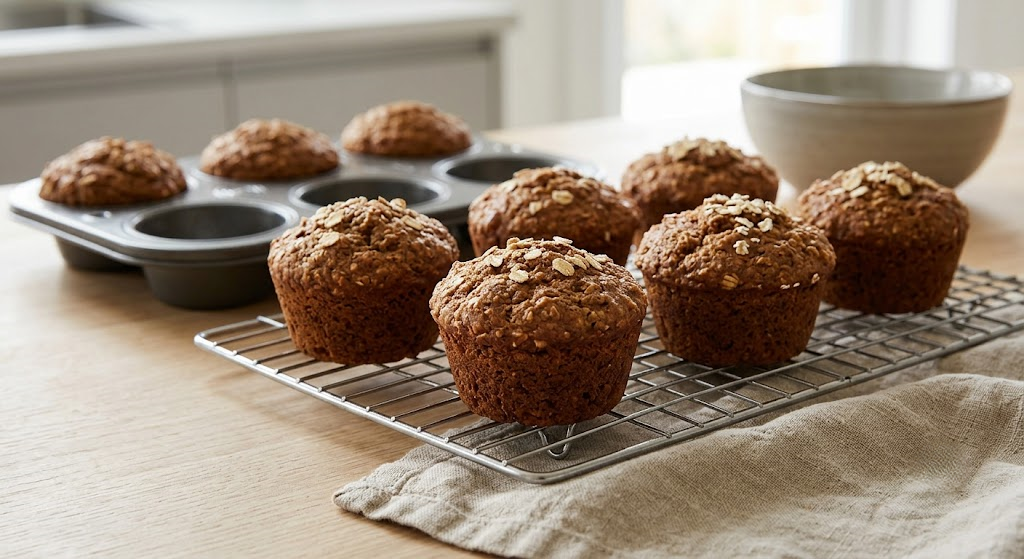
7. Homemade Bran Muffins (Batch Recipe)
Fiber: ~5g per muffin | Prep time: 30 minutes (batch of 12)
Mix: 1.5 cups wheat bran, 1 cup whole wheat flour, 1 tsp baking soda, 1 tsp cinnamon, ¼ tsp salt, 2 eggs, ¾ cup buttermilk, ¼ cup honey, ¼ cup melted coconut oil, and ½ cup raisins or blueberries. Bake at 375°F for 18–20 minutes. One batch makes 12 muffins that keep for 5 days or freeze beautifully. Wheat bran is one of the most concentrated insoluble fiber sources available, making these muffins genuinely effective for bowel regularity.
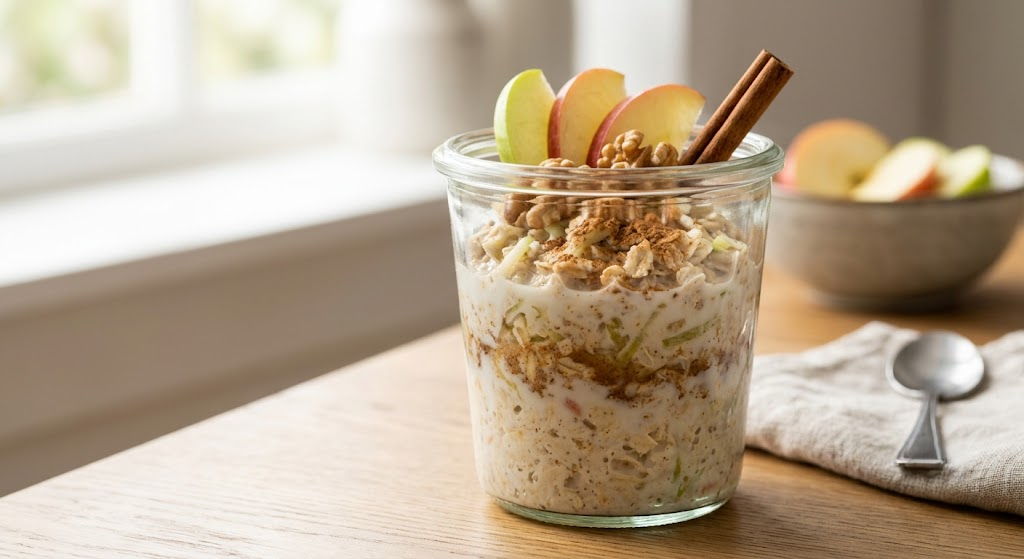
8. Overnight Oats with Apple and Cinnamon
Fiber: ~9g per serving | Prep time: 5 minutes (the night before)
Combine in a jar: ½ cup rolled oats, ¾ cup milk (any kind), 1 tablespoon chia seeds, ½ teaspoon cinnamon, and 1 teaspoon maple syrup. Stir well and refrigerate overnight. Top in the morning with half a diced apple (leave the skin on for maximum fiber). The apple skin contributes insoluble fiber and pectin — a prebiotic soluble fiber that specifically feeds Bifidobacterium, one of the most beneficial gut bacteria associated with digestive health.
9. Poached Eggs with Sautéed Spinach on Rye
Fiber: ~7g per serving | Prep time: 8 minutes
Toast two slices of rye bread (rye has more fiber than most whole wheat breads). Sauté two large handfuls of fresh spinach in a pan with a little olive oil and garlic until wilted, about 2 minutes. Poach two eggs and serve over the spinach on the rye toast. Rye bread’s fiber is particularly notable — it contains arabinoxylan, a fiber type that research suggests may be especially beneficial for gut bacteria diversity and bowel regularity compared to wheat fiber.

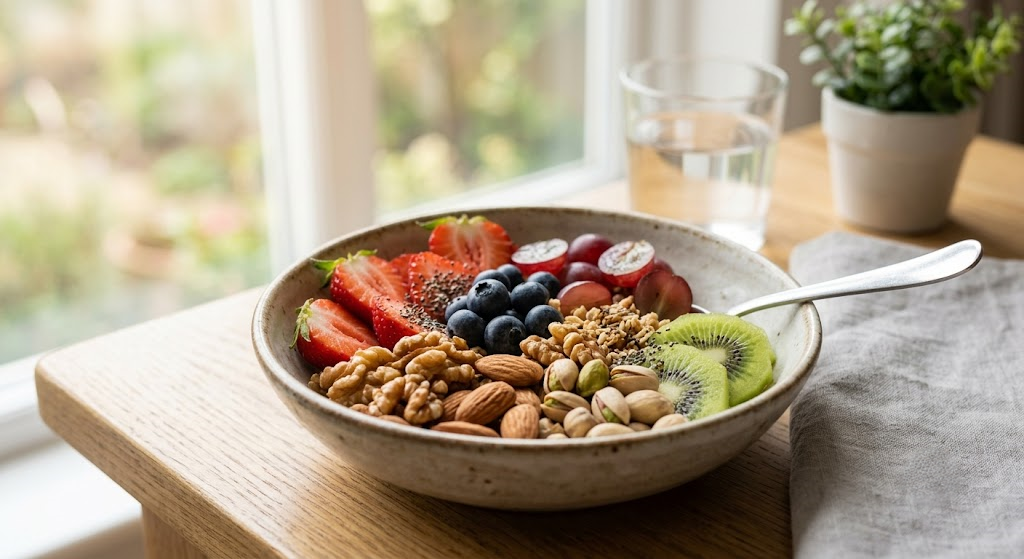
10. Fruit and Nut Bowl
Fiber: ~8g per serving | Prep time: 3 minutes
Slice one kiwi and one small pear (skin on) into a bowl. Add a tablespoon each of almonds and walnuts, and a tablespoon of pumpkin seeds. Drizzle with a teaspoon of honey. Kiwifruit deserves special mention — research published in digestive health journals specifically highlights kiwi consumption for improving bowel movement frequency and reducing bloating, with measurable results in as little as two to four weeks of daily consumption. The nuts add healthy fats alongside their fiber contribution.
Tips to Increase Fiber Gradually
If you’re significantly increasing your fiber intake, doing it gradually prevents the bloating and gas that sudden large increases can cause:
- Add one new fiber food at a time — not three new items in the same week — so you can identify what your gut responds well to
- Drink plenty of water whenever you increase fiber — fiber absorbs water to function properly, and inadequate fluid intake with increased fiber can worsen rather than improve constipation
- Aim for 5g per meal as a starting target — the recipes above all meet or exceed this without straining a digestive system that isn’t yet accustomed to higher fiber
- Give it 2–4 weeks — the gut bacteria that thrive on fiber take several weeks to multiply enough to process it efficiently; initial adjustment is normal
Best High-Fiber Breakfast Ingredients to Stock
Keep these on hand and building a high-fiber breakfast becomes automatic:
- Oats — rolled or steel-cut, the backbone of the most accessible high-fiber breakfasts
- Chia seeds — 5g of fiber per tablespoon, stores for months
- Ground flaxseed — soluble and insoluble fiber plus omega-3s; refrigerate after opening
- Whole grain bread (100% whole wheat or rye) — check the ingredient label, not just the packaging
- Avocado — 5g fiber per half, healthy fats, and genuinely filling
- Berries (fresh or frozen) — raspberries and blackberries are fiber leaders
- Bananas — resistant starch and fiber, great natural sweetener for smoothies and pancakes
- Nuts (almonds, walnuts) — fiber plus protein and healthy fat for sustained satiety
- Baby spinach — nearly invisible in smoothies, 2.5g fiber per two-cup handful
- Wheat bran — the highest-concentration insoluble fiber pantry staple available
Frequently Asked Questions
What breakfast has the most fiber? Of the options above, oatmeal with chia seeds and berries and chia seed pudding are tied at approximately 10g of fiber per serving — making either a strong choice for hitting a meaningful portion of your daily fiber target before the rest of your meals. For a whole-food-only option without supplements, overnight oats with apple and chia seeds reach 9g comfortably.
Is oatmeal good for digestion? Yes — specifically well-suited. Oats contain beta-glucan, a soluble fiber that research particularly associates with improved gut motility, reduced cholesterol, and better blood sugar stability after meals. Beta-glucan also acts as a prebiotic, feeding the beneficial gut bacteria that regulate both digestion and immune function. Steel-cut oats have a slightly lower glycemic index than rolled oats (meaning they digest even more slowly), though rolled oats are more practical for everyday preparation.
Can a high-fiber breakfast help with constipation? Research suggests yes, particularly when fiber is paired with adequate water intake. Insoluble fiber — from whole grain bread, rye, wheat bran, and flaxseed — adds bulk to stool and may help reduce transit time through the large intestine. Soluble fiber forms a gel that softens stool and eases passage. Kiwifruit specifically has the most targeted clinical evidence for constipation relief. If constipation is severe, persistent, or accompanied by pain or bleeding, please consult your doctor rather than relying on dietary changes alone.
What fruits are highest in fiber? Among common breakfast fruits, raspberries top the list at approximately 8g per cup, followed by blackberries (7.6g per cup), kiwifruit (4.2g per two kiwis), pears with skin (5.5g per medium pear), and apples with skin (4.5g per medium apple). Bananas contribute approximately 3g per medium banana alongside resistant starch — particularly valuable when slightly underripe, as green bananas have more resistant starch that feeds gut bacteria. Choosing fruits with edible skins and keeping those skins on maximizes fiber content significantly.
How much fiber should I eat at breakfast? A practical target is 7–10 grams at breakfast — roughly a quarter to a third of the daily recommended intake of 25–38g, leaving room for fiber from lunch, dinner, and snacks. Starting lower (5g) is appropriate if you’re significantly increasing your fiber intake to allow digestive adjustment. The recipes above are designed to hit the 7–10g range, making it easy to meet your daily fiber target across three meals without supplements or tracking.
Build Your Gut Health One Breakfast at a Time
The best high-fiber breakfast recipes are the ones you’ll actually make consistently — and every option above fits into a realistic morning routine. Start with the overnight oats or chia pudding (both require zero morning effort), add berries and ground flaxseed to whatever you’re already eating, and build from there. Your digestive system will notice the difference within weeks.
For a deeper look at gut health beyond breakfast, see our complete guide to Signs of Poor Gut Health and How to Fix It Naturally for a full picture of how diet, lifestyle, and microbiome health connect.


Leave a Comment