High Protein Breakfast Ideas for Weight Loss
Skipping breakfast might seem like an easy way to cut calories — but research suggests it often backfires, leading to stronger hunger signals, lower energy, and overeating later in the day that more than compensates for the morning skip. If you’re looking for high protein breakfast ideas for weight loss that actually keep you satisfied until lunch, you’re in the right place. Protein is the most satiating macronutrient available, and starting your day with 25–35 grams of it may support weight loss goals more effectively than any calorie-cutting shortcut. Here are twelve ideas that are genuinely easy, genuinely delicious, and genuinely filling.
Why Protein at Breakfast Matters for Weight Loss
Not all breakfast choices hit the same metabolic notes. Protein does something that refined carbs and even healthy fats don’t match: it triggers the release of fullness hormones (specifically GLP-1 and peptide YY) that signal to your brain that you’ve had enough, while simultaneously suppressing ghrelin — the hunger hormone that drives cravings and overeating.
Protein also has a meaningfully higher thermic effect than carbohydrates or fat — your body burns approximately 25–30% of the calories in protein just digesting it, compared to around 6–8% for carbohydrates. This means a protein-forward breakfast contributes to a slightly higher daily calorie burn without any additional effort.
Finally, adequate protein during a caloric deficit helps preserve lean muscle mass — which matters because muscle tissue is metabolically active and drives the resting calorie burn that makes weight loss sustainable long-term.
Research consistently suggests aiming for 25–35 grams of protein at breakfast for meaningful satiety effects through the morning.
12 High Protein Breakfast Ideas for Weight Loss
1. Greek Yogurt Parfait with Berries and Granola
Protein: ~20g | Prep time: 3 minutes
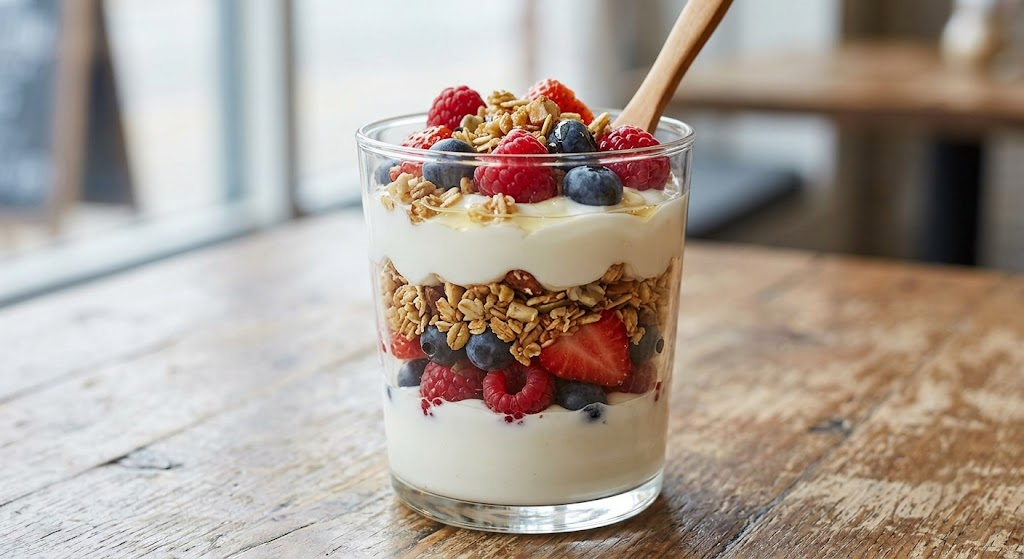
Spoon one cup of plain full-fat or 2% Greek yogurt into a bowl or jar. Layer with a half cup of mixed berries and two tablespoons of low-sugar granola. The Greek yogurt base delivers 17g of protein on its own — add a tablespoon of hemp seeds to push toward 22g. Choose plain yogurt over flavored to avoid the added sugar that can spike and then crash your energy before noon.
2. Scrambled Eggs with Spinach and Feta
Protein: ~22g | Prep time: 5 minutes
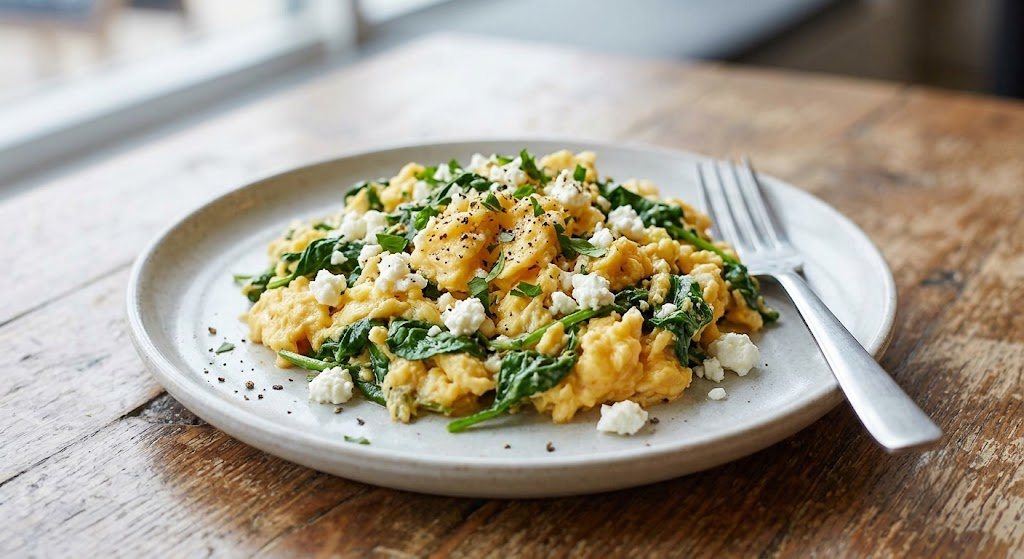
Whisk three eggs with a splash of milk and a pinch of salt. Cook in a pan with a little olive oil over medium heat, folding in two large handfuls of fresh spinach and two tablespoons of crumbled feta as the eggs start to set. Pull off heat while still slightly soft — residual heat finishes them without drying out. Three eggs deliver 18g of protein; the feta adds another 3–4g, and spinach contributes iron and folate alongside.
3. Cottage Cheese Bowl with Fruit
Protein: ~25g | Prep time: 2 minutes
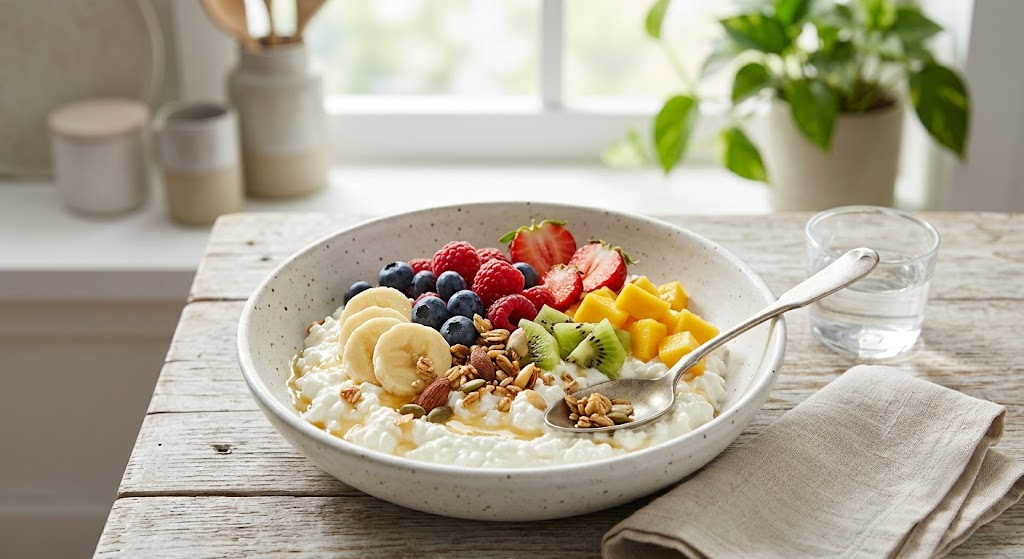
One cup of cottage cheese is one of the highest-protein breakfast options you can make with zero cooking — at approximately 25g per cup, it rivals a protein shake. Top with sliced peaches, pineapple chunks, or berries, and a drizzle of honey if you want sweetness. Add a tablespoon of chia seeds for an additional 3g of protein and extra fiber that further slows digestion and sustains fullness.
4. Protein Smoothie
Protein: ~30g | Prep time: 4 minutes
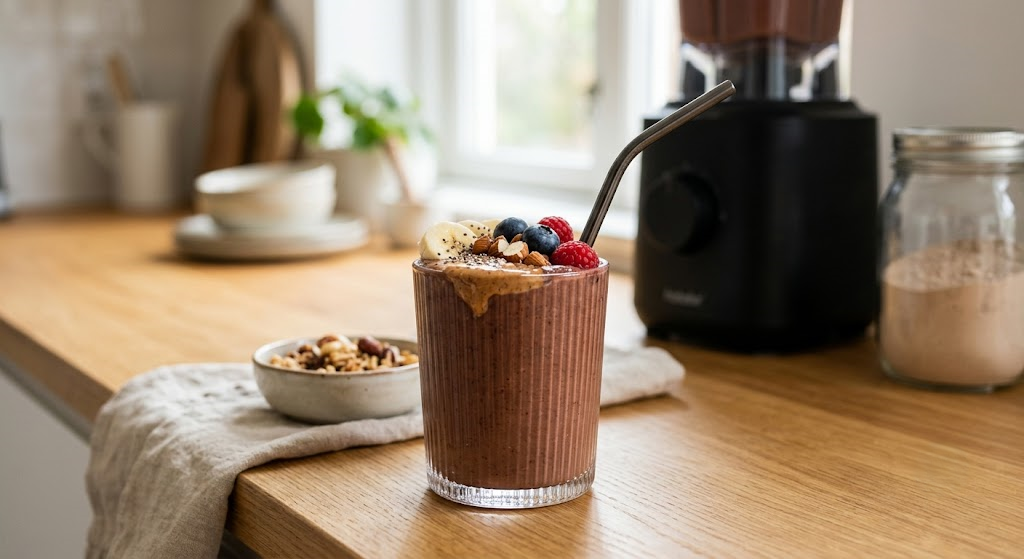
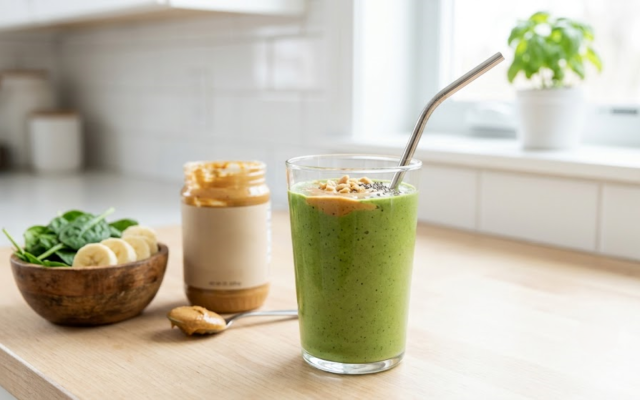
Blend together: one cup of unsweetened almond milk, one scoop of vanilla protein powder (20–25g protein), one medium frozen banana, a large handful of baby spinach (the banana masks the flavor completely), and a tablespoon of almond butter. The spinach delivers iron and folate invisibly, the banana provides natural sweetness and potassium, and the protein powder and almond butter push this toward 30g total protein in under five minutes. Prep frozen smoothie packs on Sunday to make weekday mornings even faster.
5. Overnight Protein Oats
Protein: ~28g | Prep time: 5 minutes the night before
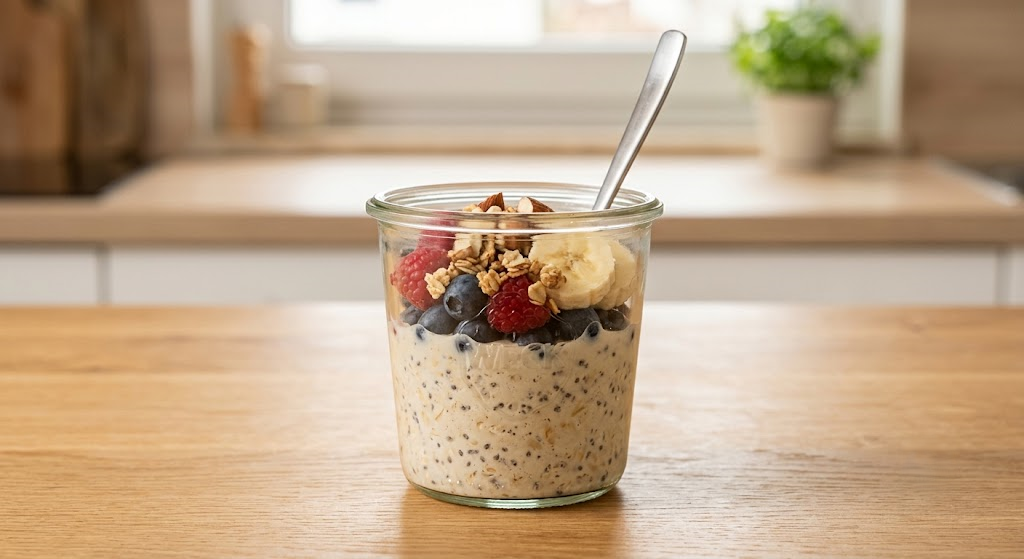
Combine in a jar: half a cup of rolled oats, one scoop of protein powder (vanilla or unflavored), one cup of milk or unsweetened almond milk, one tablespoon of chia seeds, and a teaspoon of honey. Stir well, seal, and refrigerate overnight. In the morning, top with fresh berries and eat cold or warm slightly in the microwave. The oats, protein powder, and chia seeds together deliver approximately 28g of protein with the slow-release energy of fiber-rich oats to keep blood sugar stable through the morning.
6. Turkey and Egg Breakfast Wrap
Protein: ~30g | Prep time: 7 minutes
Scramble two eggs and wrap them in a whole-grain tortilla with three to four slices of lean turkey breast, a handful of spinach or arugula, and a tablespoon of hummus or avocado. Two eggs plus turkey brings this to approximately 30g of protein — genuinely comparable to many protein shakes, in a format that chews like a real meal and satisfies more fully. Make two and pack one for mid-morning if you have an early start.

7. Smoked Salmon on Whole Grain Toast
Protein: ~22g | Prep time: 3 minutes
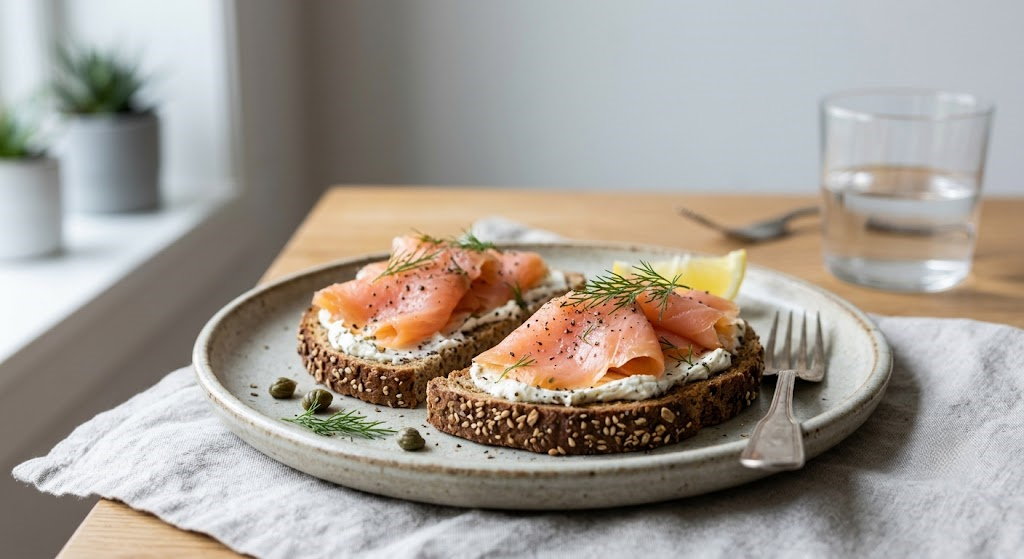
Top two slices of whole grain toast with two to three ounces of smoked salmon and a light spread of cream cheese or avocado. Add a thin slice of cucumber and a squeeze of lemon. Smoked salmon delivers approximately 16g of protein per three-ounce serving alongside omega-3 fatty acids; the whole grain toast adds sustained carbohydrate energy and additional fiber. This breakfast looks and feels indulgent while being genuinely nutritionally excellent.
8. Egg Muffins (Meal Prep Friendly)
Protein: ~18g for 2 muffins | Prep time: 25 minutes (batch)
Whisk eight eggs with salt, pepper, and your choice of mix-ins: diced bell pepper, spinach, sun-dried tomatoes, and shredded cheese all work well. Pour into a greased 12-cup muffin tin and bake at 350°F for 18–20 minutes until set. Makes 12 muffins that keep refrigerated for five days. Two muffins deliver approximately 18g of protein — grab them cold or warm them for 60 seconds. This is the ideal Sunday meal prep move for a week of fast, protein-rich mornings.

9. Nut Butter on Whole Grain Toast with an Egg
Protein: ~20g | Prep time: 4 minutes
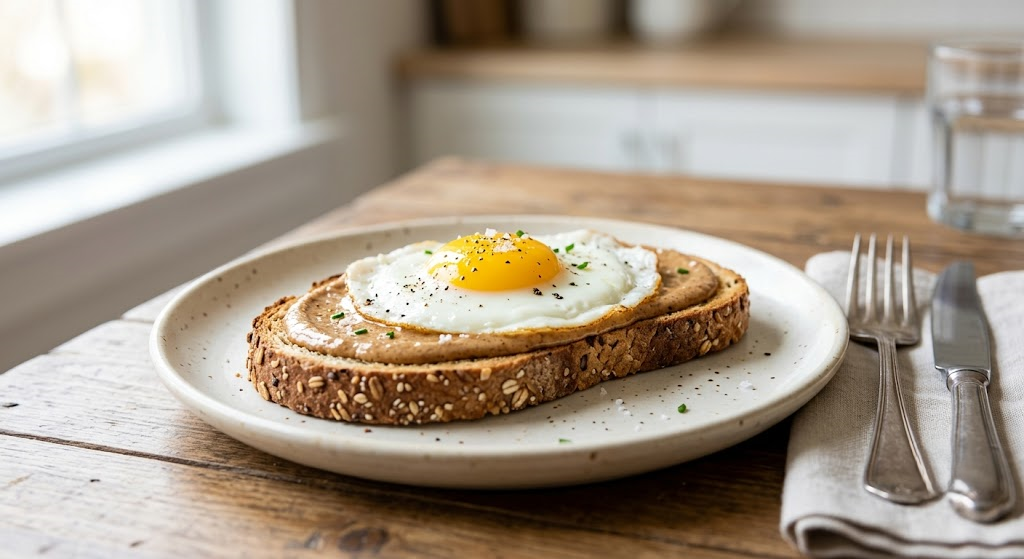
Toast two slices of whole grain bread, spread generously with natural almond or peanut butter (two tablespoons), and serve alongside a soft-boiled or fried egg. Nut butter contributes 7–8g of protein per two tablespoons; the egg adds another 6g; the whole grain bread adds 4–5g. It’s not flashy, but it’s filling, fast, and genuinely nutritious in a way that a bowl of cereal is not.
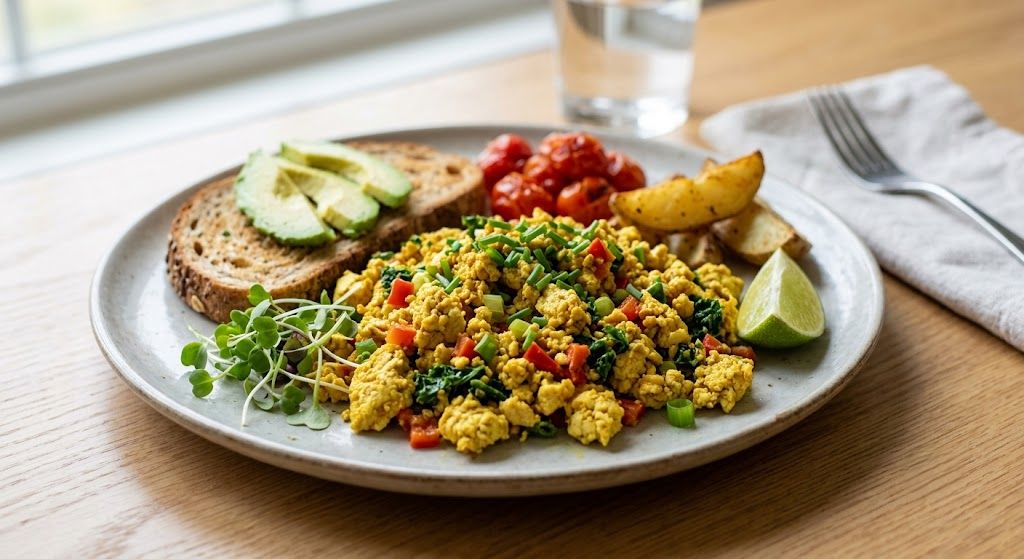
10. Tofu Scramble (Vegan)
Protein: ~18g | Prep time: 8 minutes
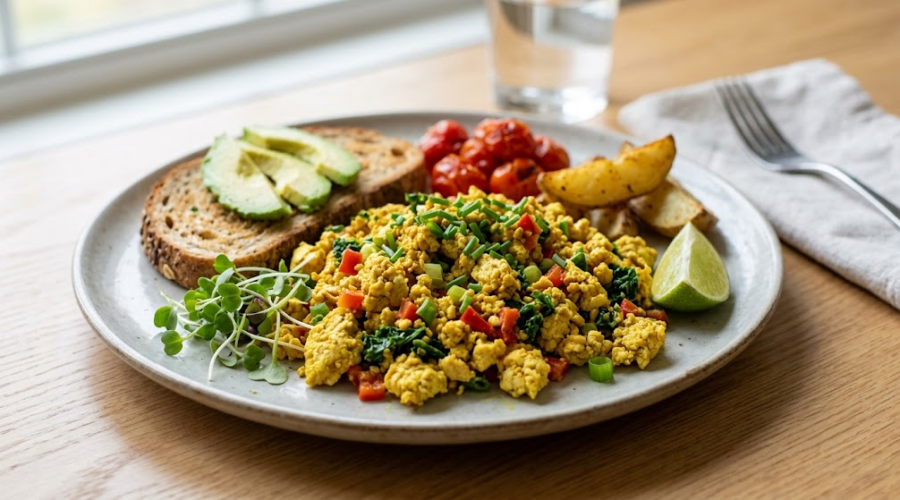
Press and crumble half a block of firm tofu into a hot pan with olive oil. Season with turmeric (for color), garlic powder, nutritional yeast, salt, and a pinch of black pepper. Cook for 5–7 minutes until golden, then add spinach and cherry tomatoes in the last two minutes. Nutritional yeast adds a savory, slightly cheesy flavor while contributing additional protein and B vitamins — essential for vegans who may not get adequate B12 from other morning foods.
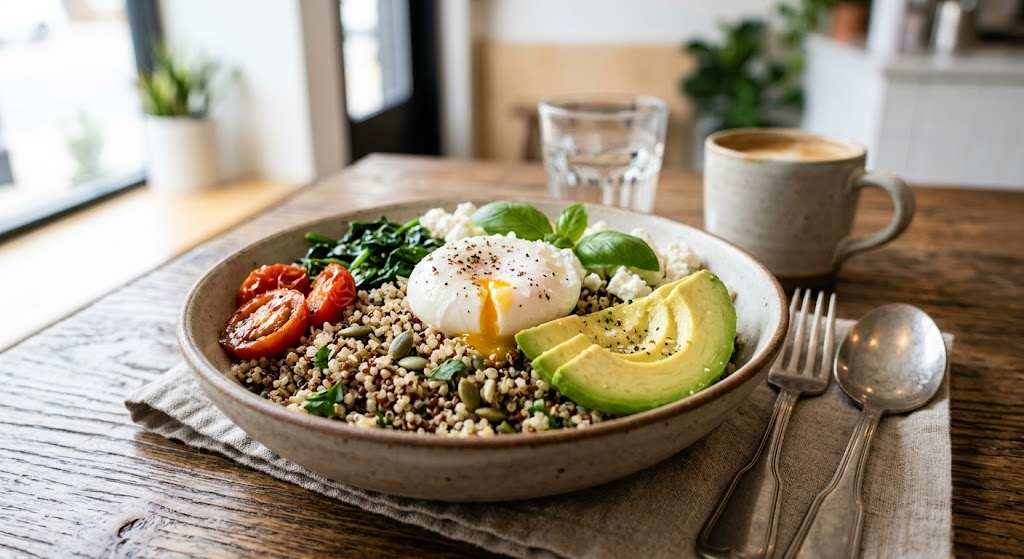
11. Quinoa Breakfast Bowl with Egg
Protein: ~24g | Prep time: 5 minutes (with pre-cooked quinoa)
Top half a cup of pre-cooked quinoa (cook a batch Sunday for the week) with a poached or soft-boiled egg, sliced avocado, cherry tomatoes, and a drizzle of olive oil and lemon. Quinoa provides approximately 8g of complete protein per cup — unusual for a grain — alongside iron, magnesium, and fiber. With an egg, this bowl hits 24g protein with a nutrient density that’s hard to match for the time invested.
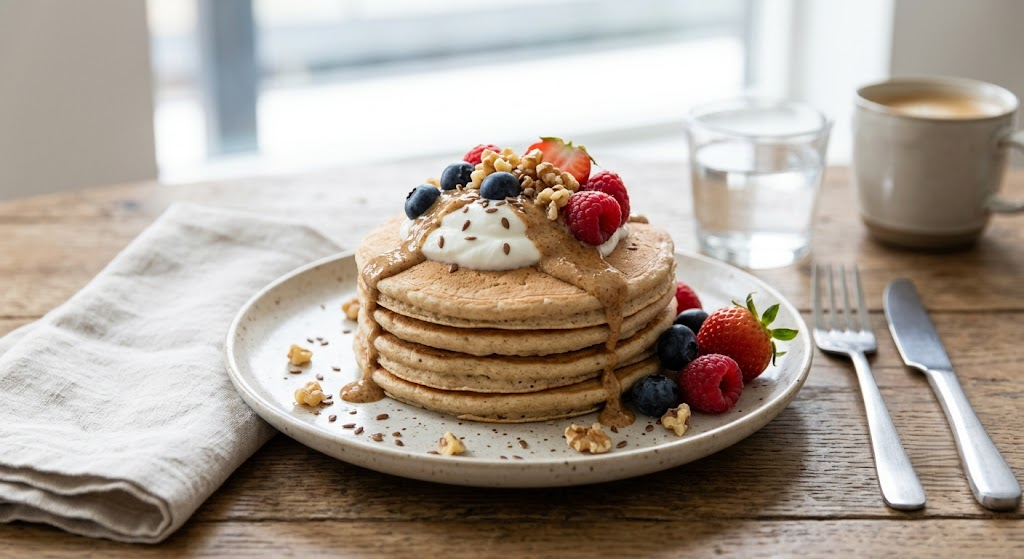
12. High-Protein Pancakes
Protein: ~20g | Prep time: 10 minutes
Blend together: one ripe banana, two eggs, and half a cup of rolled oats. Cook small pancakes in a non-stick pan over medium heat — about 2–3 minutes per side. Serve with Greek yogurt and berries instead of syrup for an additional protein boost. This three-ingredient base delivers approximately 14g of protein from the eggs and oats alone — add a side of Greek yogurt and you’re at 20g+ for a breakfast that feels like a weekend treat on a Tuesday.
Quick Meal Prep Tips for Busy Mornings
A high-protein breakfast is only sustainable if it’s fast enough to actually happen on a workday:
- Batch cook egg muffins every Sunday — 25 minutes of prep produces five days of grab-and-go breakfasts that require zero morning effort
- Prep overnight oats the night before — two minutes before bed means breakfast is ready when your alarm goes off
- Keep Greek yogurt and frozen berries stocked as your zero-prep backup option — it’s always faster than making coffee
- Build frozen smoothie packs (fruit, spinach, and any extras portioned into individual bags) so smoothies take 90 seconds in the blender rather than 5 minutes of measuring
How Much Protein Do You Actually Need at Breakfast?
As a general guideline — not personalized medical advice, since individual needs vary significantly — 25–35 grams of protein per meal appears to be the range that meaningfully activates satiety hormones and sustains fullness for most adults. Going much below 20g tends to produce hunger within two to three hours.
Quick protein reference for breakfast planning:
- 1 egg: 6g protein
- Greek yogurt (1 cup): 17g protein
- Cottage cheese (1 cup): 25g protein
- Protein powder (1 scoop): 20–25g protein
- Smoked salmon (3 oz): 16g protein
- Firm tofu (½ block): 10g protein
- Quinoa (1 cup cooked): 8g protein
Frequently Asked Questions
What is the highest protein breakfast? From the options above, a turkey and egg wrap (30g), protein smoothie (30g), or overnight protein oats (28g) lead for total protein content. For a whole-food option without protein powder, a cottage cheese bowl with a side of smoked salmon can reach 35–40g in a single sitting. For most women, hitting 25–30g of protein at breakfast is a realistic and meaningful target.
Can I eat eggs every day for breakfast? For most healthy adults, yes — daily egg consumption at moderate amounts is generally well-tolerated and nutritionally beneficial. Eggs provide complete protein, choline (important for brain and liver function), vitamin D, and lutein alongside the protein. Current dietary guidance from major health organizations no longer sets strict limits on dietary cholesterol for the general population. If you have a specific cholesterol or cardiovascular condition, check with your doctor about what’s appropriate for you.
Is Greek yogurt good for weight loss? Research suggests yes, particularly as part of a high-protein diet. Greek yogurt provides significant protein (17g per cup) that promotes satiety, alongside probiotics that support gut health. The key is choosing plain Greek yogurt and adding your own sweetness through fruit rather than flavored varieties that can contain 15–20g of added sugar per serving — which counteracts the satiety benefit. Full-fat or 2% versions tend to be more satiating than fat-free.
What can I eat for breakfast to lose belly fat? No single food specifically targets belly fat — that’s an area where marketing often overpromises. What research does support is that a high-protein, high-fiber breakfast helps reduce overall caloric intake throughout the day by controlling hunger hormones, which supports the overall calorie deficit that leads to fat loss across the body. The egg and spinach scramble, overnight oats, and Greek yogurt parfait are among the most research-consistent options for blood sugar stability and morning satiety.
Is a protein smoothie a good breakfast for weight loss? Yes, when made correctly. The key is ensuring the smoothie has adequate protein (25g+), fiber (from spinach, chia seeds, or oats), and healthy fat (from nut butter or avocado) — not just fruit and liquid, which creates a high-sugar drink that spikes blood glucose and leads to a crash within two hours. A well-constructed protein smoothie is one of the fastest and most effective high-protein breakfasts for busy mornings.
Start Your Morning Strong
The right high protein breakfast ideas for weight loss don’t require elaborate cooking or hours in the kitchen — they require a little planning and a stocked fridge. Egg muffins made Sunday. Overnight oats prepared tonight. Greek yogurt and berries ready to grab. Build any two of the breakfasts above into your weekly rotation consistently and the cumulative effect on hunger, energy, and weight loss goals will be far greater than any single “perfect” breakfast you make once and forget.
For more recipes built on these same principles, browse our Healthy Recipes category.
This article is for informational purposes only and does not constitute medical or nutritional advice. Individual nutritional needs vary. Consult a registered dietitian for personalized guidance.
Leave a Comment