After a long day, the last thing you want is to spend an hour in the kitchen. But eating healthy doesn’t have to mean complicated, expensive, or time-consuming cooking — these 10 healthy dinner ideas are ready in 30 minutes or less, using simple ingredients you can find at almost any grocery store. Whether you’re cooking for yourself or feeding a family, these recipes prove that quick and nutritious aren’t mutually exclusive.
What ties these recipes together isn’t a shared cuisine or flavor profile, but a shared approach: minimal ingredient lists, mostly hands-off or single-pan cooking, and a deliberate balance of protein, vegetables, and healthy fats or carbohydrates in every dish. None require specialty equipment beyond a basic skillet, sheet pan, or pot, which means you can start making these tonight without a special trip to a gourmet grocery store first.
Why 30-Minute Meals Are a Game Changer
Having a rotation of quick, reliable dinners does more than just save time — it changes your relationship with eating at home. Research on home cooking has found that people who regularly cook at home tend to consume meaningfully less sugar, salt, and fat than those who rely mostly on takeout or restaurant meals, simply because home cooking gives you control over ingredients and portions. Quick meals also make it far less tempting to order delivery on a tired weeknight, which adds up to real savings over time, both financially and nutritionally.
Beyond the health and cost benefits, 30-minute meals tend to build genuine cooking confidence. When a recipe doesn’t require hours of prep or obscure ingredients, you’re more likely to actually make it again, which is how a reliable weeknight rotation gets built in the first place. Many of the recipes below also rely on one-pan or one-pot methods, which means less cleanup — often just as important as cook time when you’re deciding whether cooking at home feels worth it on a busy night.
10 Healthy Dinner Ideas Under 30 Minutes
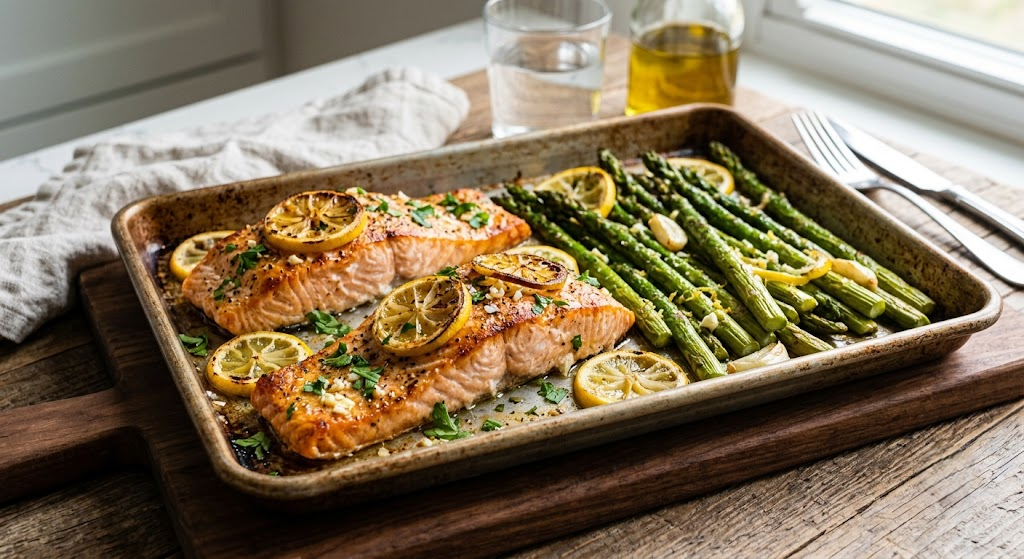
1. Sheet Pan Lemon Garlic Salmon with Asparagus
Time: 20 minutes. Toss salmon fillets and trimmed asparagus with olive oil, minced garlic, lemon juice, salt, and pepper. Spread on a sheet pan and roast at 400°F for 12-15 minutes, until the salmon flakes easily. This dish delivers a substantial dose of omega-3 fatty acids alongside fiber from the asparagus, and cleanup is limited to a single pan.
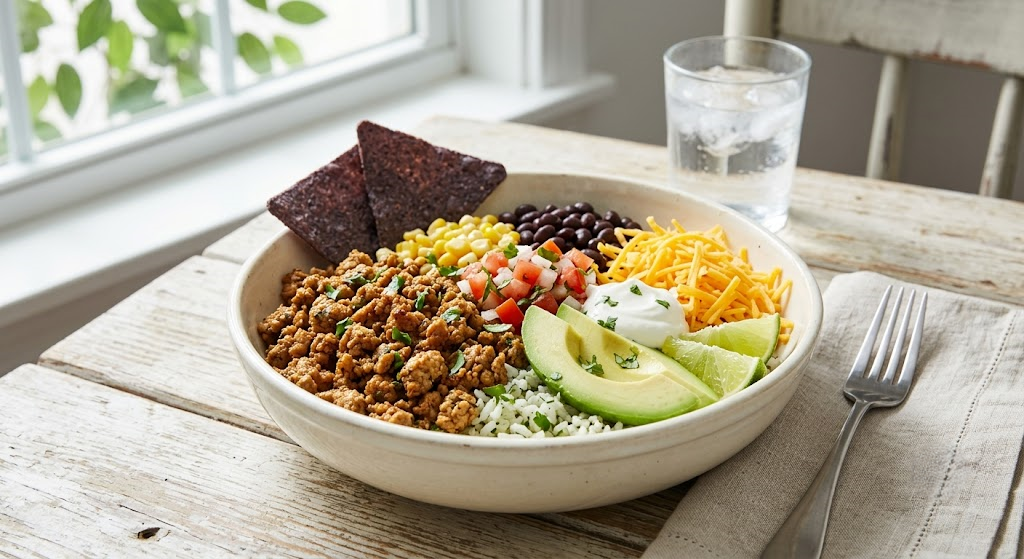
2. Ground Turkey Taco Bowl
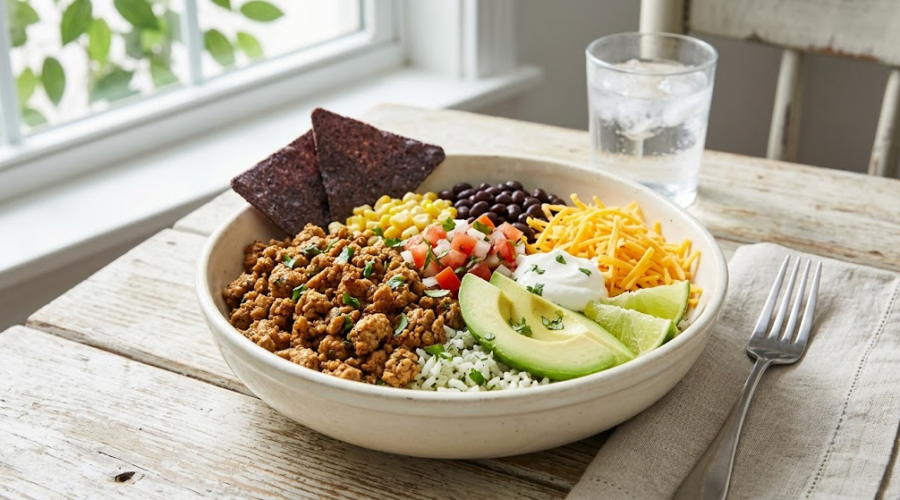
Time: 20 minutes. Brown ground turkey with taco seasoning, then build bowls with a lettuce or rice base, the seasoned turkey, salsa, and any toppings you have on hand — black beans, avocado, shredded cheese. This is a high-protein, endlessly customizable option that’s easy to adapt for picky eaters by setting up toppings buffet-style.
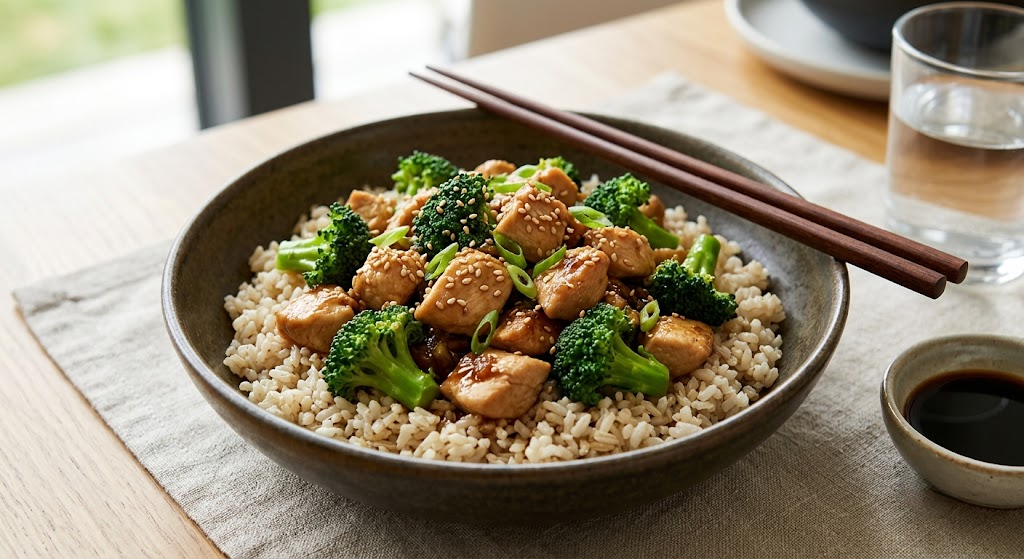
3. Stir-Fry Chicken and Broccoli with Brown Rice
Time: 25 minutes. Cook sliced chicken breast in a hot pan or wok, add broccoli florets, and finish with a soy-ginger sauce (soy sauce, grated ginger, a touch of honey, and a splash of rice vinegar). Serve over brown rice, or use pre-cooked rice to shave off extra time. High heat is the key to a good stir-fry — don’t overcrowd the pan, or the chicken will steam rather than sear.
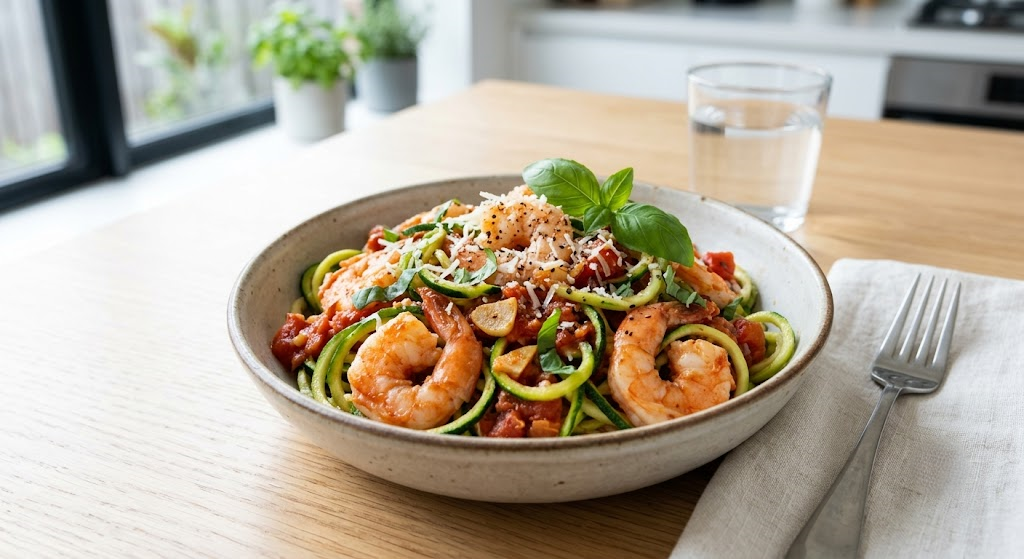
4. Shrimp and Zucchini Noodles with Marinara
Time: 15 minutes. Sauté shrimp in olive oil with garlic until pink, then toss with spiralized zucchini noodles and warmed marinara sauce. This is a naturally low-carb option that comes together fast since shrimp cooks in just a few minutes per side, and pre-spiralized zucchini is widely available in most grocery produce sections.
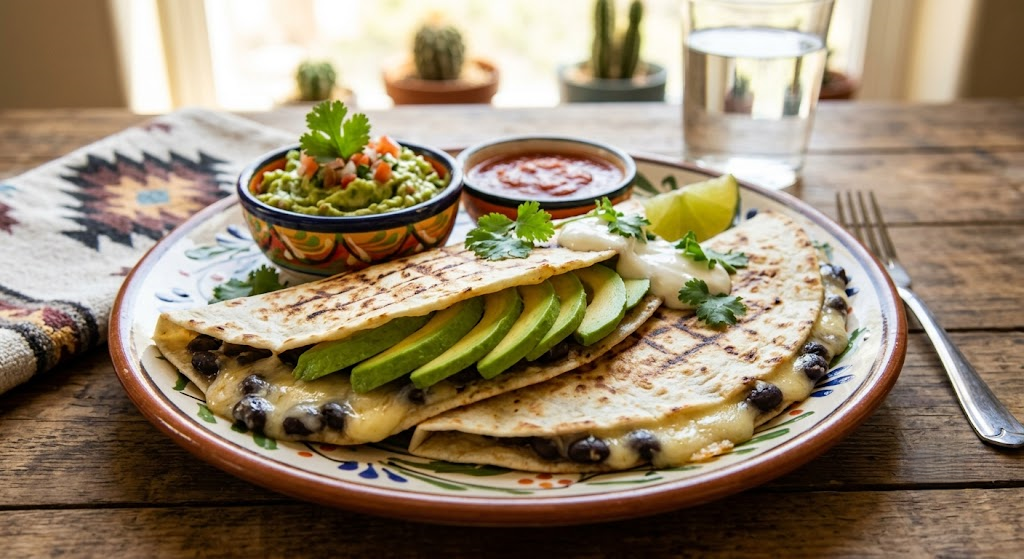
5. Black Bean Quesadillas with Avocado
Time: 15 minutes. Mash black beans with cumin and a bit of lime juice, spread onto a tortilla with shredded cheese, fold, and cook in a dry skillet until golden on both sides. Serve with sliced avocado or guacamole. This vegetarian option is fiber-rich and endlessly adaptable — add sautéed peppers and onions if you have a few extra minutes.
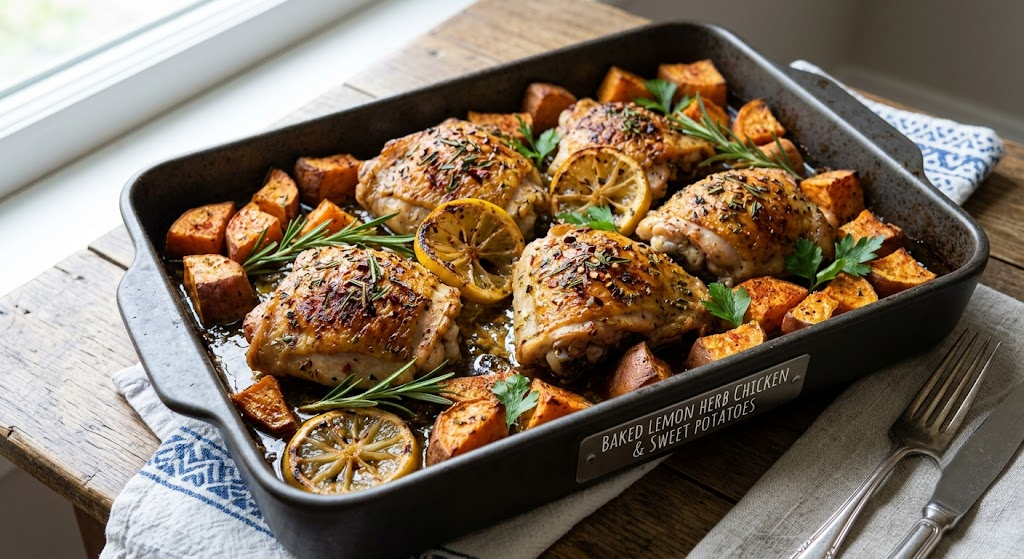
6. Baked Lemon Herb Chicken Thighs with Sweet Potato
Time: 30 minutes. Season chicken thighs with lemon zest, garlic, and dried herbs, and roast alongside cubed sweet potato at 400°F until the chicken is cooked through and the sweet potato is tender. This is a great meal-prep-friendly option, since it reheats well and the flavors actually improve after a day in the fridge.
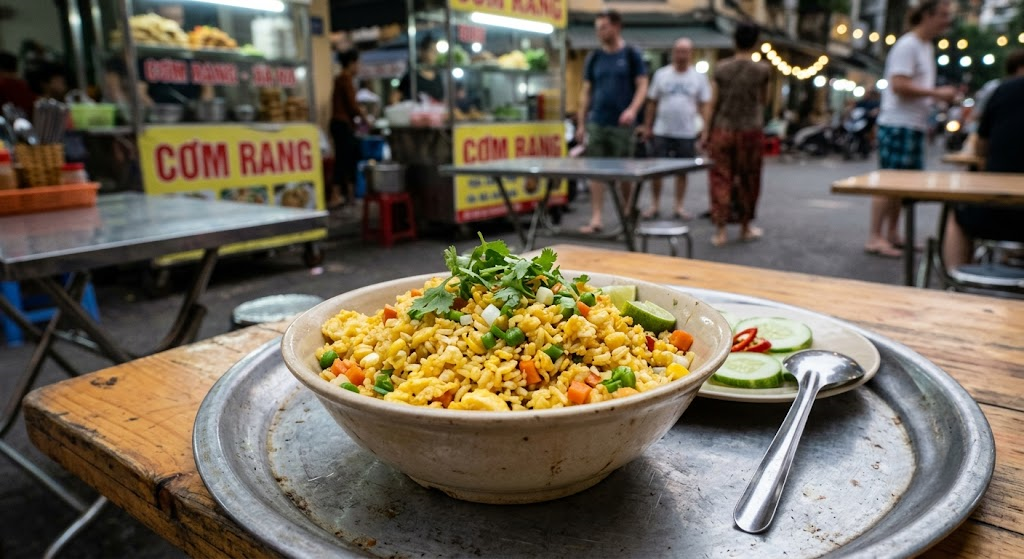
7. Egg Fried Rice with Vegetables
Time: 20 minutes. Scramble eggs in a hot pan, set aside, then stir-fry leftover or day-old rice with frozen mixed vegetables, garlic, and soy sauce. Fold the eggs back in at the end. Day-old rice fries up better than freshly cooked rice, since the slightly drier grains don’t clump as easily — this is a great way to use up rice from a previous meal.
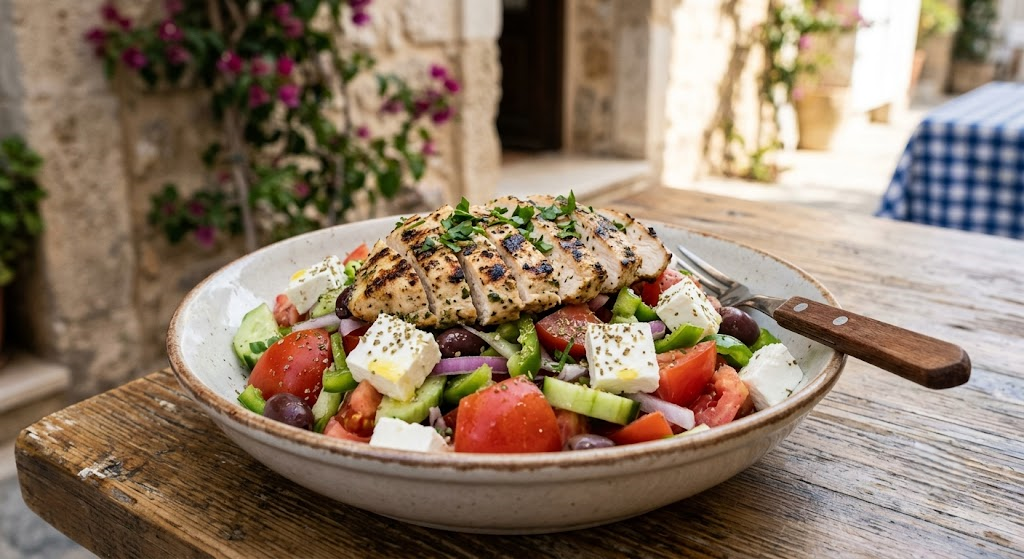
8. Greek Salad with Grilled Chicken
Time: 20 minutes. Grill or pan-sear seasoned chicken breast while you chop cucumber, tomato, red onion, and feta for a Greek salad base, then toss everything together with olive oil, lemon juice, and oregano. This Mediterranean-style option requires no cooking for the salad itself, so most of the time goes into the chicken alone.
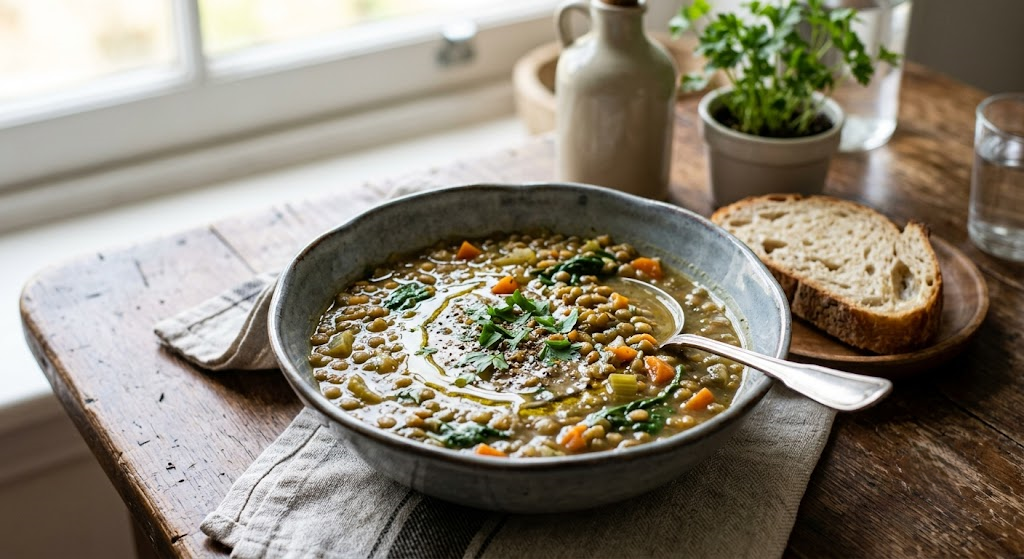
9. Quick Lentil Soup
Time: 20 minutes. Using canned lentils (rather than dried, which take longer to cook), sauté onion, carrot, and garlic, add the lentils with vegetable broth, canned tomatoes, and cumin, and simmer for 15 minutes. High in fiber and plant-based protein, this soup also freezes well, making it worth doubling the batch for an easy future meal.
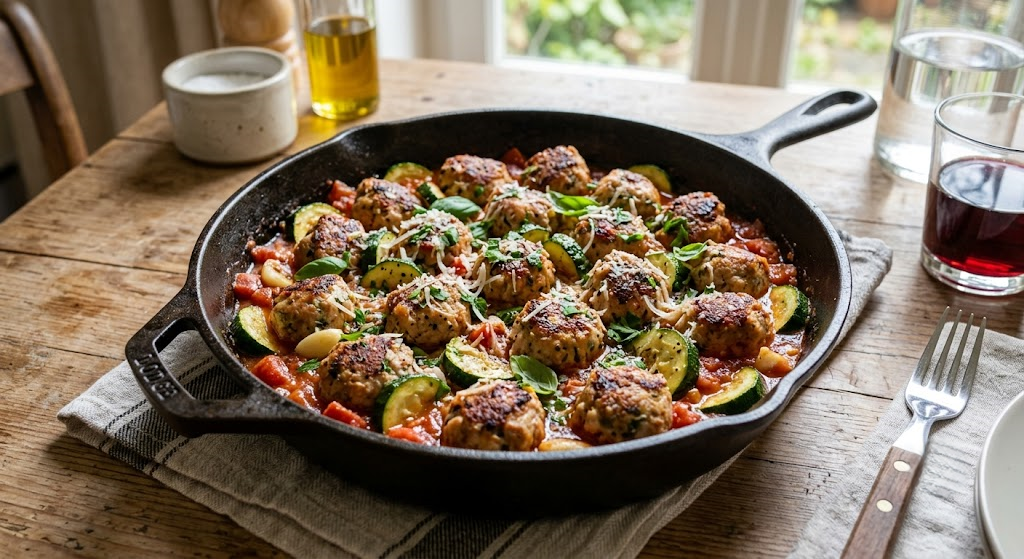
10. One-Pan Turkey Meatballs with Zucchini
Time: 25 minutes. Form ground turkey with Italian seasoning, garlic, and breadcrumbs into small meatballs, brown in a skillet, then add sliced zucchini and a bit of marinara sauce to finish cooking everything together. This Italian-style, low-carb option keeps cleanup to a single pan and works well served over zucchini noodles, regular pasta, or on its own.
Tips for Getting Dinner on the Table Faster
A handful of habits make these recipes — and quick cooking in general — far more achievable on a regular basis. Keeping your freezer stocked with proteins like chicken breast, shrimp, and ground turkey means you always have a starting point, even on days you haven’t planned ahead. Prepping vegetables on a Sunday — washing, chopping, and storing them in containers — cuts significant active cooking time during the week, since chopping is often the slowest part of any recipe.
Keeping canned beans and lentils in the pantry gives you a fast protein and fiber source that requires zero advance planning, while a well-organized spice and sauce collection means you’re never more than a few shakes away from turning plain protein and vegetables into something flavorful. Finally, cooking double portions whenever you’re already in the kitchen — extra rice, an extra chicken breast, double the meatballs — sets up tomorrow’s lunch with almost no additional effort tonight.
Healthiest Cooking Methods for Quick Dinners
Certain cooking methods consistently deliver both speed and nutrition. Sheet pan dinners require minimal hands-on effort and produce just one pan to clean, making them ideal for nights when energy is as limited as time. Stir-frying uses high heat and constant movement to cook food quickly while preserving more nutrients and texture in vegetables than slower cooking methods. Air frying produces crispy results with significantly less oil than traditional frying, and one-pot or one-pan methods in general minimize cleanup, which is often the real barrier to cooking on a tired night, even when the cooking itself is fast.
Slow cookers deserve a mention too, even though they don’t fit the strict 30-minute window — setting one up in the morning means a fully cooked, hands-off dinner is waiting by the time you get home, which can be just as valuable as an actively quick recipe on certain days.
Building a Weekly Rotation You’ll Actually Stick To
Having a list of recipes is only useful if you actually cook them, and the easiest way to make that happen is to build a simple rotation rather than reinventing dinner from scratch every night. Pick three or four recipes from this list that appeal to your household, keep the ingredients stocked, and rotate through them weekly with occasional variation. Themed nights — taco night, stir-fry night, sheet pan night — can also reduce the daily mental load of deciding what to cook, since the category is already chosen and you’re simply filling in the specific ingredients you have on hand that week.
Stocking a Pantry That Makes 30-Minute Cooking Easy
A well-stocked pantry does more to enable fast weeknight cooking than any specific recipe. Keep a rotating stock of canned beans, lentils, and diced tomatoes, since they form the backbone of soups and bowls without requiring any advance soaking or long cooking times. Pre-cooked grains — whether store-bought microwavable rice pouches or a batch you’ve cooked yourself and frozen in portions — eliminate one of the longest steps in many recipes almost entirely.
A small but well-chosen collection of sauces and condiments — soy sauce, a good olive oil, a jar of marinara, a few dried herb blends — means you can transform basic protein and vegetables into something flavorful without hunting down a long list of specialty ingredients each time you cook. Frozen vegetables deserve a place here too: they’re picked and frozen at peak ripeness, often retaining comparable or even better nutrient levels than fresh produce that’s traveled and sat in a grocery store for days, and they eliminate prep time almost entirely.
What Makes a Dinner Nutritionally Balanced
Each of the recipes above was chosen with a simple framework in mind: roughly a quarter of the plate as lean protein, a generous portion of vegetables, and a modest serving of whole grains or starchy vegetables to round things out. This isn’t a rigid rule, but it’s a useful mental shortcut when you’re improvising a dinner from whatever’s in the fridge rather than following a recipe exactly. Protein supports satiety and helps the meal actually hold you over until the next one, vegetables provide fiber, vitamins, and volume without many calories, and a modest carbohydrate portion provides energy without overwhelming the plate.
It’s worth noting that healthy doesn’t have to mean restrictive. Several recipes on this list include cheese, oils, or a touch of natural sweetness, since genuinely sustainable eating habits tend to include foods that taste good, not just foods that check a nutritional box. The goal of a 30-minute dinner rotation isn’t perfection on every plate — it’s consistency over weeks and months, which matters far more for long-term health than any single meal.
Frequently Asked Questions
What is the healthiest quick dinner to make?
Meals built around a lean protein, a vegetable, and a whole grain or fiber source — like the sheet pan salmon with asparagus or the chicken and broccoli stir-fry — tend to be the most nutritionally balanced quick dinner options.
What can I cook for dinner in 15 minutes?
The black bean quesadillas and shrimp with zucchini noodles on this list both come together in about 15 minutes, since shrimp cooks quickly and quesadillas require minimal prep beyond mashing beans and folding a tortilla.
How do I meal prep for faster weeknight dinners?
Chopping vegetables, cooking a batch of grains, and pre-portioning proteins over the weekend can significantly cut active cooking time during the week, since most of the prep work is already done before you even start cooking.
Is it possible to eat healthy on a budget in 30 minutes?
Yes — pantry staples like canned beans, lentils, eggs, and frozen vegetables are inexpensive, shelf-stable, and form the basis of several recipes on this list, including the lentil soup and egg fried rice, without sacrificing nutrition or speed.
What are high-protein quick dinner ideas?
The ground turkey taco bowl, sheet pan salmon, and chicken and broccoli stir-fry all deliver substantial protein per serving, typically in the 25-35 gram range, making them solid choices if protein intake is a priority.
Conclusion
Eating well on a busy schedule doesn’t require elaborate recipes or hours in the kitchen — it requires a handful of reliable, genuinely quick meals you actually enjoy making. Whether you gravitate toward the simplicity of sheet pan salmon or the flexibility of a build-your-own taco bowl, having a few of these recipes in regular rotation makes it far easier to choose home cooking over takeout, even on the busiest weeknights. Start with two or three recipes that sound most appealing to your household, get comfortable making them, and gradually expand your rotation from there — building a sustainable habit matters more than mastering all ten recipes at once.
Leave a Comment