
Best Magnesium-Rich Foods and Why You Need Them
Magnesium is involved in over 300 biochemical reactions in your body — yet up to 68% of Americans don’t get enough of it from food. If you’ve been experiencing unexplained muscle cramps, poor sleep, or low energy, this might be part of the reason. Magnesium-rich foods are the most effective and sustainable way to address this gap — not because supplements don’t work, but because food delivers magnesium alongside the cofactors that help your body use it efficiently. This guide covers exactly which foods deliver the most magnesium, why your body needs it so urgently, and the simplest ways to eat more of it every day.
Why Magnesium Is So Important for Your Health
Magnesium’s role in the body is unusually broad. It’s required for muscle and nerve function — which is why deficiency so reliably produces muscle cramps and twitching. It’s essential for blood sugar regulation, helping cells respond properly to insulin. It supports blood pressure control by relaxing the walls of blood vessels. It works alongside calcium and vitamin D for bone density — and without adequate magnesium, the body can’t properly utilize those other two nutrients regardless of how much you take.
At the cellular level, magnesium is required for ATP production — the process by which every cell generates energy. It’s also involved in protein synthesis and plays a direct role in sleep quality by regulating the neurotransmitters and hormones (including melatonin) that govern the sleep-wake cycle.
The NIH identifies magnesium deficiency as widespread in the US, attributing it partly to soil depletion (modern agricultural soil contains less magnesium than it did several decades ago) and the shift toward highly processed diets that strip naturally occurring magnesium from grains during refinement. The result is a population that’s broadly under-supplemented in a mineral their bodies use constantly.
12 Best Magnesium-Rich Foods to Eat Every Day
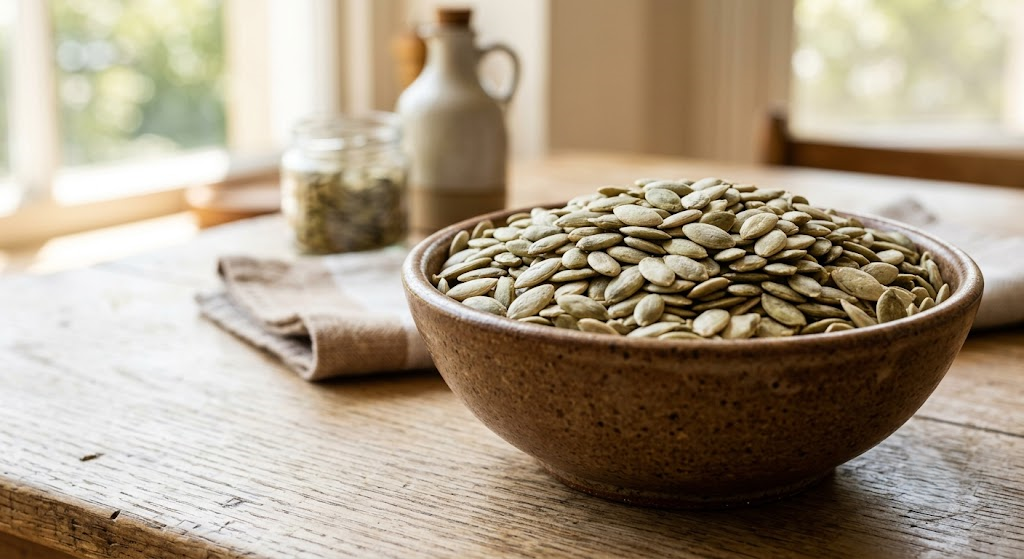
1. Pumpkin Seeds
156mg per ounce — the single richest magnesium source per gram of almost any food.
Pumpkin seeds are the most efficient way to add magnesium to your daily routine without changing your meals significantly. A small handful — roughly one ounce — covers about 37% of the daily recommended intake for adult women and 33% for men. Lightly roast them at 325°F for 10–12 minutes with a little olive oil and sea salt to improve their flavor and crunch. Eat them as an afternoon snack, scatter over salads, or stir into yogurt. I started adding a handful of pumpkin seeds to my afternoon snack and noticed my evening muscle cramps gradually stopped — within a few weeks of making it a daily habit.
2. Dark Chocolate (70%+ Cacao)
64mg per ounce — magnesium plus one of the richest sources of flavanol antioxidants in any food.
Dark chocolate at 70% cacao or higher delivers meaningful magnesium alongside compounds that research suggests may support cardiovascular health and reduce inflammation. One ounce daily — roughly two to three squares — is the portion most studies use for these benefits. Choose varieties with minimal added sugar and the highest cacao percentage you enjoy, since magnesium content scales with cacao concentration. It’s one of the most enjoyable dietary upgrades you can make for your magnesium intake.

3. Almonds
80mg per ounce — also providing vitamin E, healthy fats, and fiber in a convenient package.
A small handful of almonds is one of the easiest daily magnesium habits to build because they require no preparation and travel well. One ounce (about 23 almonds) covers nearly a quarter of the daily magnesium target for women. Raw or lightly roasted almonds are preferable to heavily salted commercial varieties — the added sodium in processed nuts can counteract some of the blood pressure benefits that magnesium provides. Pair with a piece of fruit for an afternoon snack that stabilizes blood sugar while delivering meaningful magnesium.


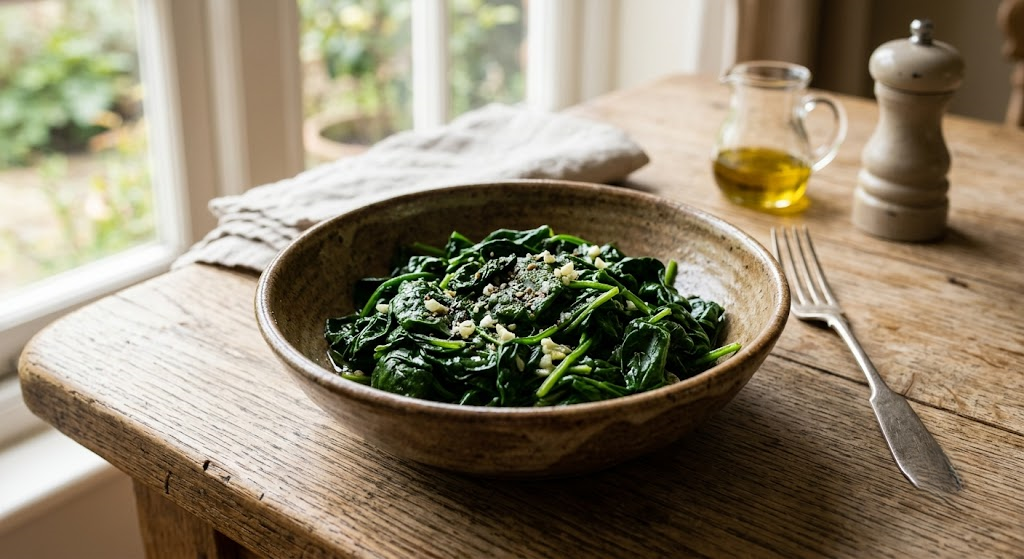
4. Cooked Spinach
157mg per cup — one of the few vegetables that genuinely competes with nuts and seeds for magnesium density.
Raw spinach contains magnesium too, but cooking spinach dramatically increases the amount you can eat in a single serving — and therefore the magnesium you absorb. One cup of cooked spinach (which comes from about 4–5 cups of raw leaves) delivers a remarkable magnesium dose alongside iron, folate, and vitamin K. Add it to pasta sauces, scrambled eggs, soups, or blend it into a morning smoothie (a ripe banana masks the flavor entirely). It’s one of the most nutritionally impactful vegetables you can eat regularly.
5. Cashews
83mg per ounce — also a good source of zinc, copper, and selenium.
Cashews are slightly higher in magnesium per ounce than almonds and have a naturally creamy, mild flavor that makes them versatile beyond just snacking. Use them in stir-fries, blend them into homemade cashew cream sauces, or eat them straight as a snack. Like almonds, lightly roasted or raw cashews retain more of their nutritional profile than heavily processed varieties. Their zinc content is a bonus — zinc and magnesium both support immune function and sleep quality, and they’re frequently deficient together in people eating low-nutrient diets.

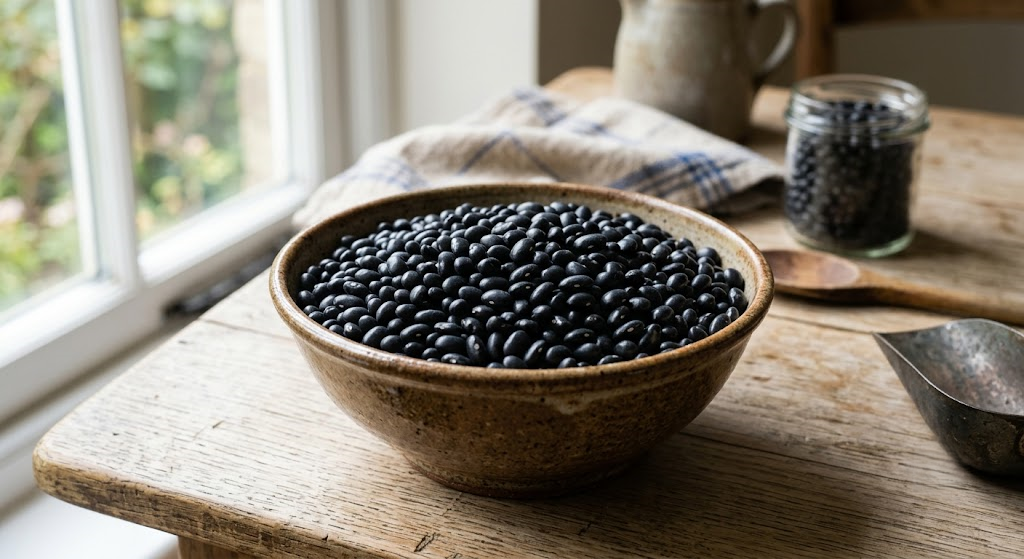
6. Black Beans
120mg per cup (cooked) — plus plant protein, iron, and prebiotic fiber for gut health.
Black beans are arguably the most versatile magnesium source on this list — they fit easily into existing meals without requiring any culinary creativity. Add them to taco filling, stir them into soups, use them as a protein base in grain bowls, or mash them onto whole grain toast. A cup of cooked black beans covers nearly a third of the daily magnesium target while simultaneously delivering protein and the slow-digesting fiber that sustains energy and feeds beneficial gut bacteria. Canned black beans are just as nutritious as dried — rinse them to reduce sodium content.
7. Edamame
99mg per cup — young soybeans that also deliver complete plant protein and folate.
Edamame is one of the rare plant foods that provides all nine essential amino acids alongside meaningful magnesium. Buy them frozen (shelled or in pods) and microwave or steam as needed — they’re genuinely one of the fastest high-nutrition snacks available. One cup of shelled edamame covers about a quarter of the daily magnesium target and provides 17g of plant protein, making it a particularly useful food for vegetarians and vegans who need both. The folate content is also notable for women of reproductive age.

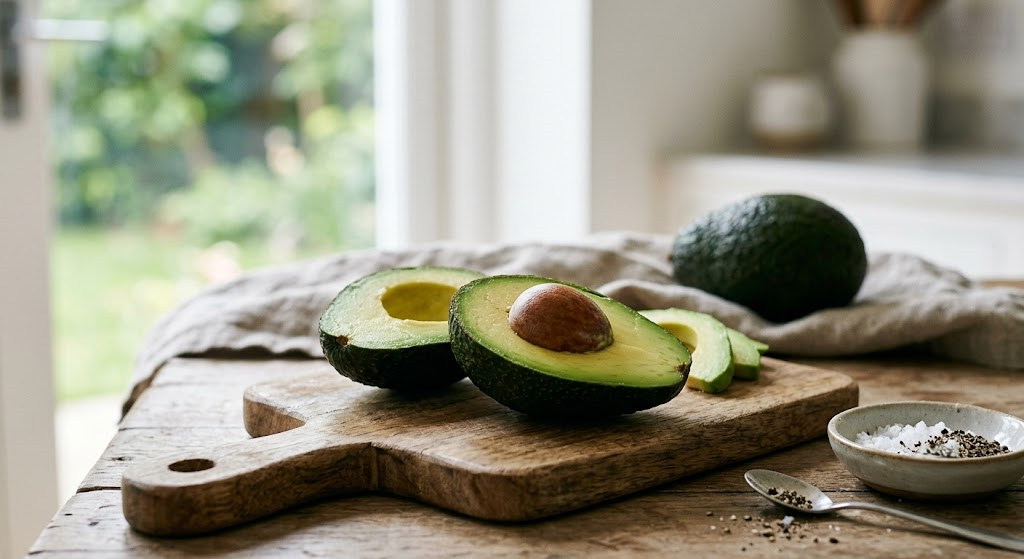
8. Avocado
58mg per medium avocado — alongside potassium, healthy monounsaturated fats, and fiber.
Avocado’s magnesium content is often overlooked because its reputation centers on healthy fats and potassium — but a medium avocado delivers meaningful magnesium alongside those better-known nutrients. The combination of magnesium and potassium in avocado makes it particularly useful for blood pressure support, since both minerals help regulate vascular tone. Half an avocado on whole grain toast — with its magnesium, potassium, healthy fat, and fiber — is one of the most nutritionally complete quick meals available.
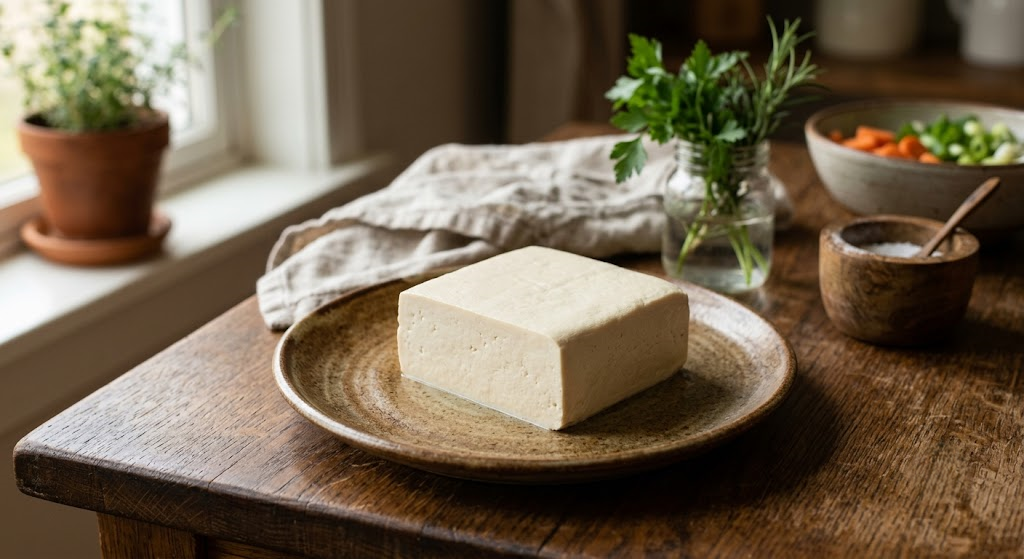
9. Tofu
53mg per half cup — a versatile plant protein that works across cuisines and cooking styles.
Tofu’s magnesium content makes it a genuinely functional choice rather than just a protein substitute. Firm tofu pressed and cubed works well in stir-fries, curries, and grain bowls; silken tofu blends smoothly into smoothies and sauces without altering the flavor significantly. Choose calcium-set tofu when possible — the coagulant used in its production adds calcium that works synergistically with magnesium for bone health. Tofu also absorbs marinades extremely well, making it one of the more flavorful protein options when properly seasoned.
10. Salmon
53mg per 3 ounces — plus EPA and DHA omega-3 fatty acids and vitamin B12.
Salmon provides magnesium alongside a nutrient combination that no plant food can fully replicate: omega-3 fatty acids for brain and cardiovascular health, and B12 for nerve function and energy metabolism. Two servings of salmon per week is a meaningful contribution to magnesium intake and simultaneously covers most adults’ omega-3 and B12 requirements. Baked, pan-seared, or poached salmon requires minimal preparation time for its nutritional return — it’s one of the most efficiently nutritious foods available for the effort involved.

11. Whole Wheat Bread
46mg per slice — a simple, daily swap that adds magnesium without changing your routine.
Switching from white bread to 100% whole wheat delivers a modest but consistent daily magnesium increase that compounds meaningfully over weeks. The refining process that creates white flour removes the bran and germ — where the magnesium (and fiber, B vitamins, and iron) resides. Two slices of whole wheat bread daily contributes nearly 100mg of magnesium without any deliberate dietary effort beyond the initial swap. Check that “whole wheat flour” is the first ingredient — many “wheat” breads are primarily refined flour with caramel coloring.

12. Banana
37mg per medium banana — plus potassium, vitamin B6, and natural energy from complex carbohydrates.
Bananas are on almost everyone’s weekly shopping list already — which makes them the easiest daily magnesium habit to build with zero friction. While their magnesium content is more modest than the other foods on this list, consistent daily consumption contributes meaningfully to overall intake, and their portability and natural sweetness make them one of the most reliable “always eaten” foods available. Combine a banana with pumpkin seeds or almond butter and you’ve created one of the most magnesium-dense snacks possible in under a minute.

Signs You May Not Be Getting Enough Magnesium
Magnesium deficiency can be subtle, partly because the body tightly regulates serum magnesium levels even as cellular stores deplete. The most common symptoms to watch for include:
- Muscle cramps and twitching — particularly in the legs and calves, often worse at night
- Chronic fatigue despite adequate sleep, since magnesium is required for ATP production
- Insomnia and poor sleep quality — magnesium regulates the melatonin pathway and GABA receptors involved in sleep
- Anxiety and irritability — magnesium modulates the stress response and NMDA receptors
- Frequent headaches or migraines — low magnesium is significantly more common in people with migraines than in the general population
- Constipation — magnesium draws water into the intestines, and deficiency reduces gut motility
- Elevated blood pressure — magnesium relaxes blood vessel walls, and deficiency contributes to vascular tension
These symptoms have many potential causes beyond magnesium deficiency, so a blood test (specifically a red blood cell magnesium test, which is more sensitive than standard serum magnesium) is the most reliable way to confirm. Discuss this with your doctor if you suspect deficiency, particularly if symptoms are significant or persistent.
5 Easy Ways to Eat More Magnesium Every Day
Building magnesium intake doesn’t require overhauling your diet — it requires a few consistent substitutions:
- Snack on pumpkin seeds instead of chips — one small handful delivers more magnesium than most people get in an entire day from other snacks, with healthy fats and protein that sustain energy rather than spike it
- Blend spinach into smoothies — a large handful of baby spinach in a fruit smoothie is completely undetectable in flavor and adds significant magnesium alongside iron and folate
- Eat one ounce of dark chocolate daily — a deliberate daily habit rather than an occasional treat, timed as an afternoon snack rather than a late-night sugar hit
- Add black beans to whatever you’re already cooking — stir them into soup, add them to a grain bowl, or mix them into a pasta sauce; they absorb the flavors of whatever they’re cooked with and add nutritional density effortlessly
- Swap white bread for 100% whole wheat — the simplest daily swap that requires zero additional effort and delivers consistent magnesium (and fiber) with every meal that includes bread
Frequently Asked Questions
What food has the highest magnesium content? Pumpkin seeds are the most magnesium-dense common food at approximately 156mg per ounce — roughly 37% of the daily recommended intake for women in a single small serving. Cooked spinach comes close at 157mg per cup. For everyday eating, pumpkin seeds are the most practical because they require no cooking, store easily, and can be added to almost any meal or snack without altering its flavor significantly.
How much magnesium do I need per day? The NIH’s recommended dietary allowances for adults are 310–320mg per day for women and 400–420mg per day for men, with slightly higher amounts recommended during pregnancy. Most Americans fall significantly below these targets. The foods in this guide — particularly pumpkin seeds, cooked spinach, and black beans — can meaningfully close this gap when eaten regularly. Consult your doctor before taking magnesium supplements if you have kidney disease, as the kidneys regulate magnesium excretion and supplementation can cause complications in people with compromised kidney function.
Can I get enough magnesium from food alone? For most healthy adults eating a varied whole-food diet that includes the items above, yes. Meeting the 310–420mg daily target is achievable with a combination of pumpkin seeds, leafy greens, nuts, legumes, and whole grains eaten consistently throughout the week. Supplementation makes sense for people with confirmed deficiency, digestive conditions that impair absorption, type 2 diabetes (which increases magnesium excretion), or dietary patterns that exclude many of the above foods — but food-first is always the preferred starting point.
What does low magnesium feel like? The most commonly reported symptoms are nighttime leg cramps, difficulty falling or staying asleep, persistent fatigue despite adequate rest, and a general sense of physical tension or anxiety that doesn’t have an obvious cause. Some people also experience frequent headaches, eye twitches, or constipation. These symptoms individually are non-specific — they can have many causes — but experiencing several of them simultaneously, particularly the combination of muscle cramps, poor sleep, and fatigue, is a meaningful signal worth investigating with a blood test.
Does cooking destroy magnesium in vegetables? Boiling vegetables in water does leach some magnesium into the cooking water, though the mineral itself isn’t destroyed by heat. Steaming and sautéing preserve significantly more magnesium than boiling. For leafy greens like spinach, the practical benefit of cooking outweighs the modest mineral loss, because cooking reduces the volume dramatically — allowing you to eat a much larger quantity of magnesium-containing spinach in a single serving than you’d consume raw. Using the cooking water in soups or sauces recaptures the leached magnesium rather than discarding it.
Start With Two or Three Foods This Week
The simplest path to meaningfully better magnesium intake is picking two or three magnesium-rich foods from the list above and eating them consistently for the next few weeks. Pumpkin seeds as your afternoon snack. Cooked spinach at dinner three nights a week. One ounce of dark chocolate daily. Black beans added to whatever you’re already cooking. These small, consistent changes compound into meaningful nutritional shifts over time — and for many people, the improvement in sleep, muscle comfort, and energy that follows is noticeable within a few weeks.
For more on magnesium supplements and when they may be worth adding alongside dietary sources, visit our Vitamins & Supplements category.
This article is for informational purposes only and does not constitute medical advice. Consult your doctor before taking magnesium supplements, particularly if you have kidney disease or are managing a chronic health condition.

Leave a Comment