Collagen is the protein responsible for keeping skin firm, plump, and resilient — and starting around age 25, your body produces approximately 1% less of it every year. By your mid-40s, that cumulative loss becomes visible: skin that was once taut begins to loosen, fine lines deepen into wrinkles, and the natural “bounce” of healthy skin diminishes. The beauty industry’s answer is expensive creams and treatments, but research tells a more interesting story — the most effective collagen support strategy may actually begin in your kitchen. The right collagen-boosting foods provide your body with the specific amino acids, vitamins, and compounds it needs to produce and protect collagen from the inside out, and the science behind this approach is more solid than most people realize.
How Collagen Works in Your Skin
Collagen — specifically Type I collagen — is the most abundant protein in the skin, forming a dense scaffolding that gives it firmness and elasticity. It’s produced by specialized cells called fibroblasts, which assemble collagen strands from amino acids, particularly glycine, proline, and hydroxyproline.
Here’s the critical detail most collagen content misses: vitamin C is an essential cofactor in collagen synthesis. Without adequate vitamin C, fibroblasts cannot properly form or stabilize collagen chains. This isn’t optional — it’s biochemically mandatory.
Once produced, collagen faces several enemies. Free radical damage from environmental pollution, stress, and UV radiation breaks down existing collagen fibers — which is why antioxidants in the diet matter as much as amino acid supply. UV exposure is the single largest external driver of collagen degradation, directly activating enzymes (matrix metalloproteinases) that break down collagen in skin.
A less discussed but equally damaging process is glycation — when excess blood sugar molecules attach to collagen fibers, forming advanced glycation end products (AGEs). AGEs make collagen rigid, disorganized, and fragile. This is the biochemical reason high sugar intake accelerates visible skin aging.
12 Best Collagen-Boosting Foods
Bone Broth
Bone broth is the most direct dietary source of collagen available — made by simmering animal bones and connective tissue for hours, it extracts collagen, gelatin, and the key amino acids glycine, proline, and hydroxyproline in bioavailable form. Whether the collagen in bone broth survives digestion intact enough to directly benefit skin is debated, but the amino acid supply it provides is unambiguous. Look for broth made from grass-fed bones for the best nutritional profile, or make your own by simmering chicken carcasses or beef knuckle bones with a splash of apple cider vinegar for 12–24 hours.

Chicken
Chicken is the richest whole-food source of animal collagen in most people’s diets — and the collagen is concentrated in the connective tissue, cartilage, and skin rather than the muscle meat itself. Skin-on chicken, chicken thighs, and slow-cooked whole chicken (where the collagen melts into the cooking liquid) deliver the most. The amino acid profile of chicken connective tissue closely mirrors the collagen found in human skin, making it one of the most relevant dietary sources available.

Fish and Shellfish
Marine collagen — the type derived from fish skin, scales, and bones — is primarily Type I collagen, which happens to be the dominant type in human skin. Research suggests marine collagen peptides may be more bioavailable than bovine collagen due to their smaller molecular size. Fatty fish like salmon deliver collagen precursors alongside omega-3s that reduce the inflammation that accelerates collagen breakdown. Shellfish (oysters, shrimp, crab) contribute zinc, which is essential for the enzymes that regulate collagen synthesis. Eat the skin on fish when possible, and use fish bones in homemade stock.

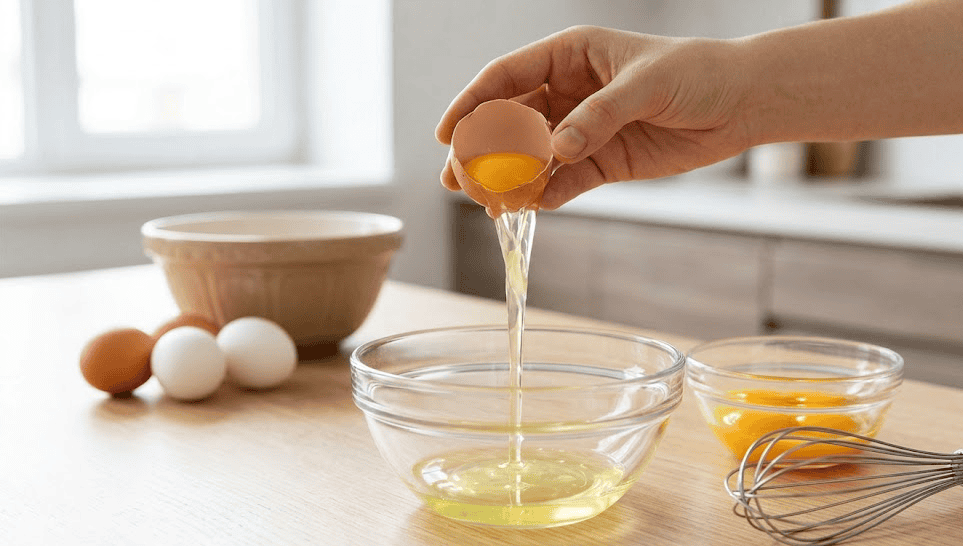
Egg Whites
Egg whites are rich in proline and glycine — two of the three primary amino acids in collagen — making them a valuable plant-accessible collagen precursor food. They also contain hydroxyproline directly. While eggs don’t contain pre-formed collagen, they supply the building blocks fibroblasts need to assemble their own. Egg whites also contain the protein lysine, which plays a supporting role in collagen cross-linking. A two-egg breakfast provides a meaningful amino acid contribution toward daily collagen synthesis needs.
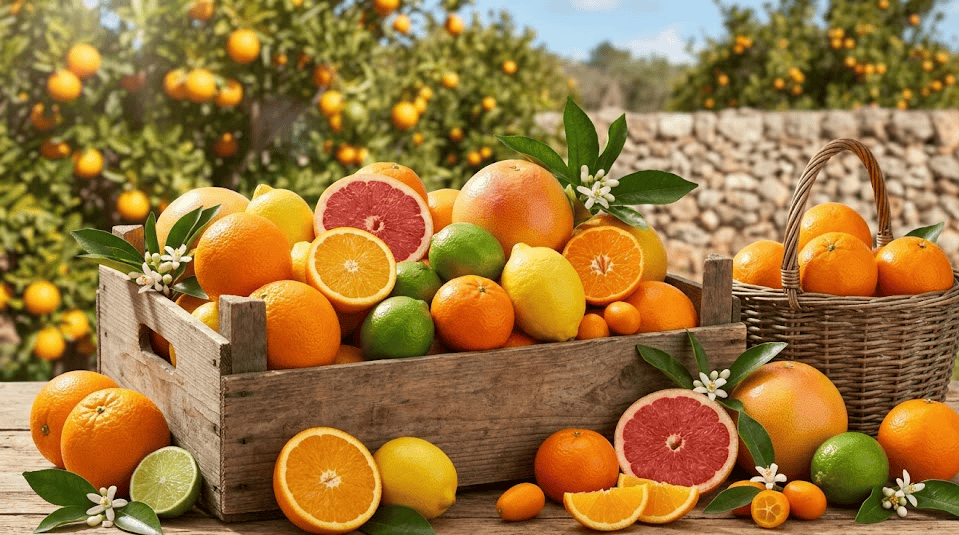
Citrus Fruits (Oranges, Grapefruit, Lemons, Limes)
Citrus fruits are among the most well-known collagen-supporting foods for good reason — they’re among the richest sources of vitamin C, the cofactor without which collagen synthesis stalls. A single medium orange provides approximately 70mg of vitamin C, which is close to the recommended daily intake for women. Since vitamin C is water-soluble and not stored in the body, consistent daily intake matters more than occasional high doses. Lemon juice squeezed over iron-rich foods also enhances mineral absorption, compounding the benefit.
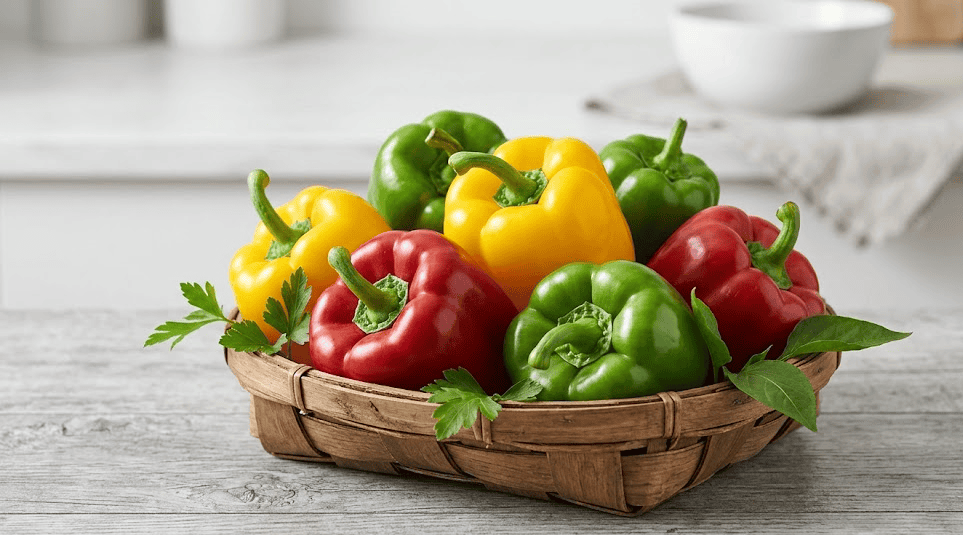
Bell Peppers
Bell peppers are arguably the most vitamin C-dense vegetable available — and red bell peppers lead the pack, containing nearly three times the vitamin C of an orange by weight. They also provide capsanthin and quercetin, antioxidant compounds that help protect existing collagen from oxidative damage. Half a red bell pepper sliced into a salad or stir-fry is one of the most calorie-efficient ways to hit your daily vitamin C needs, leaving room in your diet for the amino acid and zinc-providing foods that complement it.
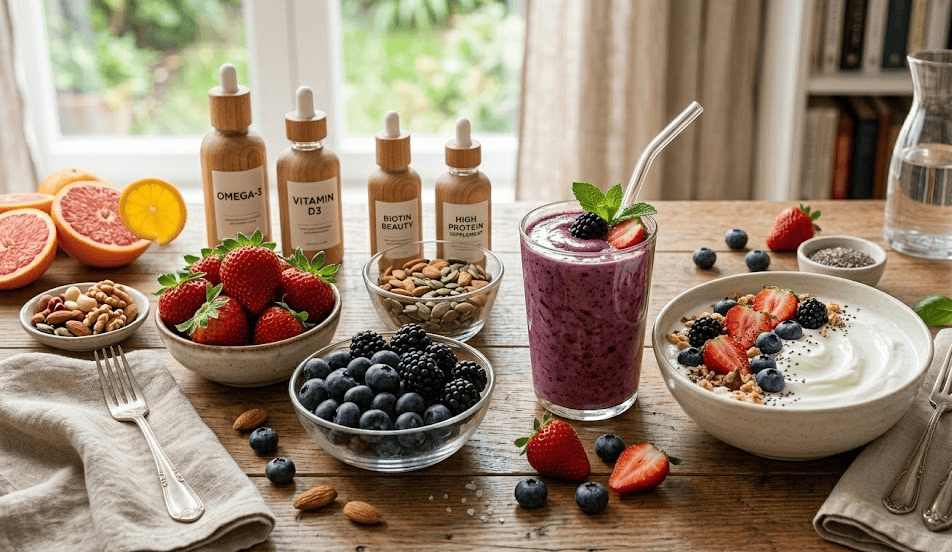
Berries (Strawberries, Blueberries, Blackberries)
Berries deliver a potent two-part benefit for collagen: vitamin C from strawberries (which, cup for cup, rival citrus fruits) and anthocyanins — the dark pigment compounds that give blueberries and blackberries their color. Anthocyanins have been shown in research to inhibit the enzymes (collagenases) that break down existing collagen, effectively protecting the collagen you already have from premature degradation. This collagen-preservation effect is distinct from the synthesis support provided by vitamin C, making berries one of the most comprehensively useful foods in this category.
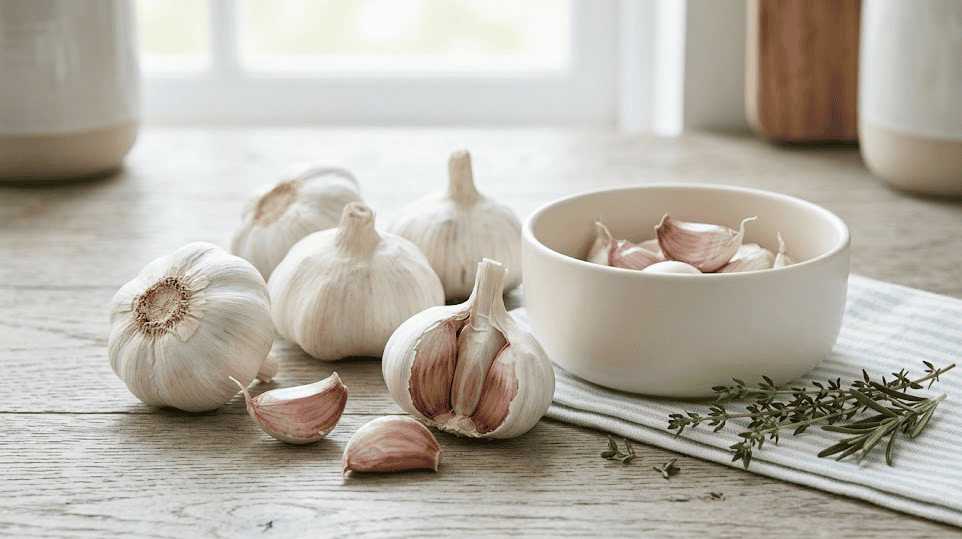
Garlic
Garlic’s collagen connection is less obvious but meaningful. It’s one of the richest dietary sources of sulfur, a mineral required for collagen synthesis and cross-linking — the process that gives collagen its structural strength. Garlic also contains lipoic acid and taurine, compounds that research suggests help support damaged collagen fibers and protect against free radical breakdown. The sulfur compounds in garlic are also responsible for its well-documented anti-inflammatory effects, which indirectly protect the skin environment where collagen production occurs.
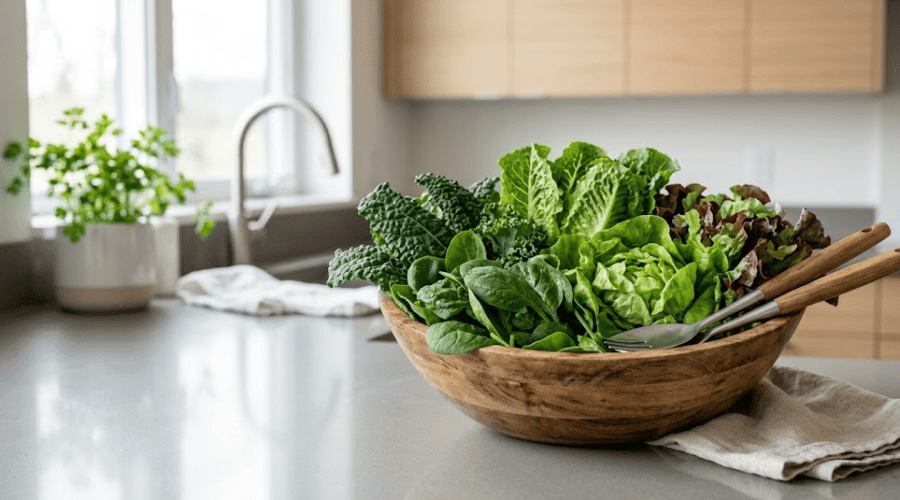
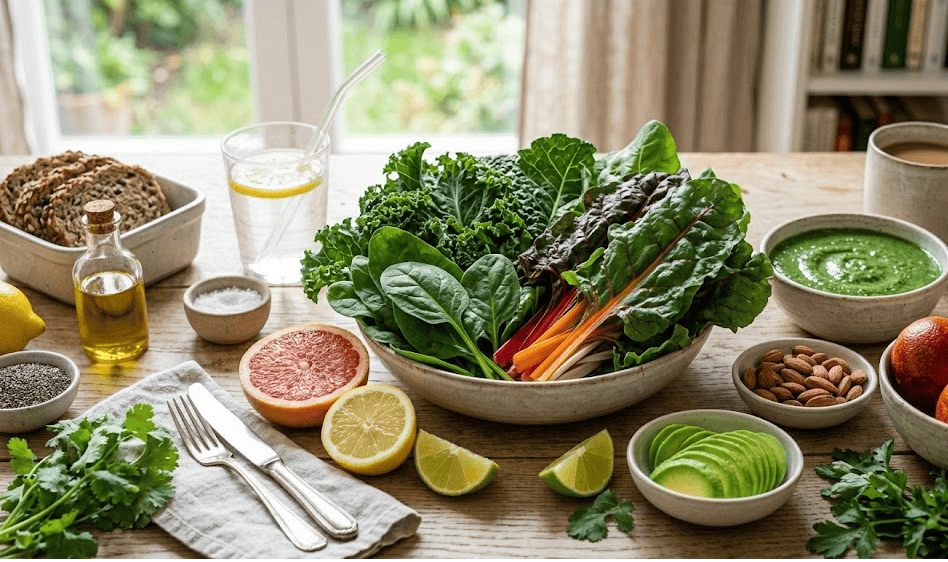
Leafy Greens (Spinach, Kale, Swiss Chard)
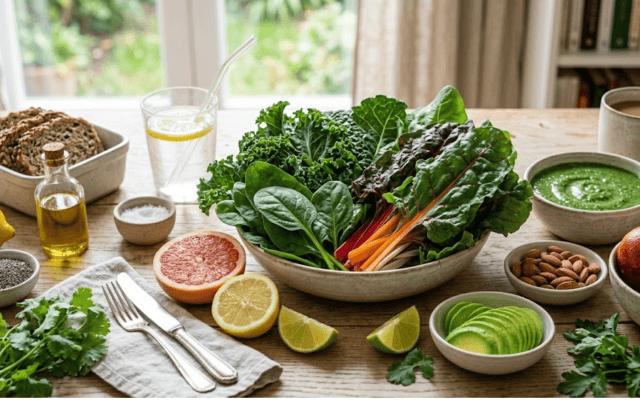
Dark leafy greens contribute to collagen production through multiple pathways. They’re excellent sources of vitamin C, of course — but the more interesting mechanism involves chlorophyll, the pigment that makes plants green. Research suggests that chlorophyll may stimulate the production of procollagen (the collagen precursor) in skin cells, with one study finding that oral chlorophyll supplementation increased procollagen levels in skin biopsies. Getting chlorophyll from whole vegetables rather than supplements also brings iron, folate, and a range of antioxidants that support the broader skin health environment.
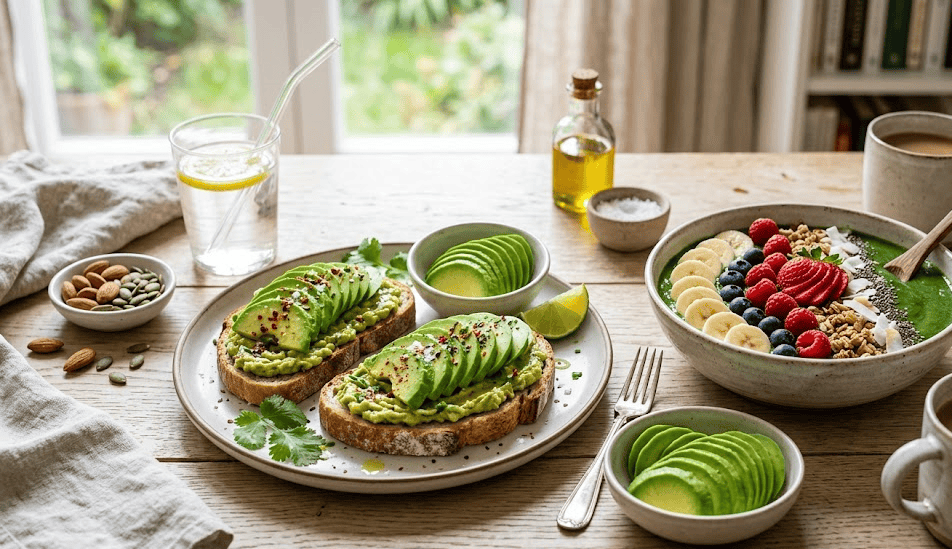
Avocado
Avocado supports collagen from a protective angle: it’s rich in vitamin E, a fat-soluble antioxidant that shields collagen fibers from the oxidative damage caused by UV exposure and environmental pollution. It also provides healthy monounsaturated fats that improve absorption of other fat-soluble vitamins (A, D, E, K) from the rest of your meal. Some research suggests avocado contains unique phytosterols that may directly inhibit collagen breakdown. Half an avocado added to a collagen-focused meal does double duty — protecting existing collagen while aiding absorption of collagen-building nutrients from other foods.
Tomatoes
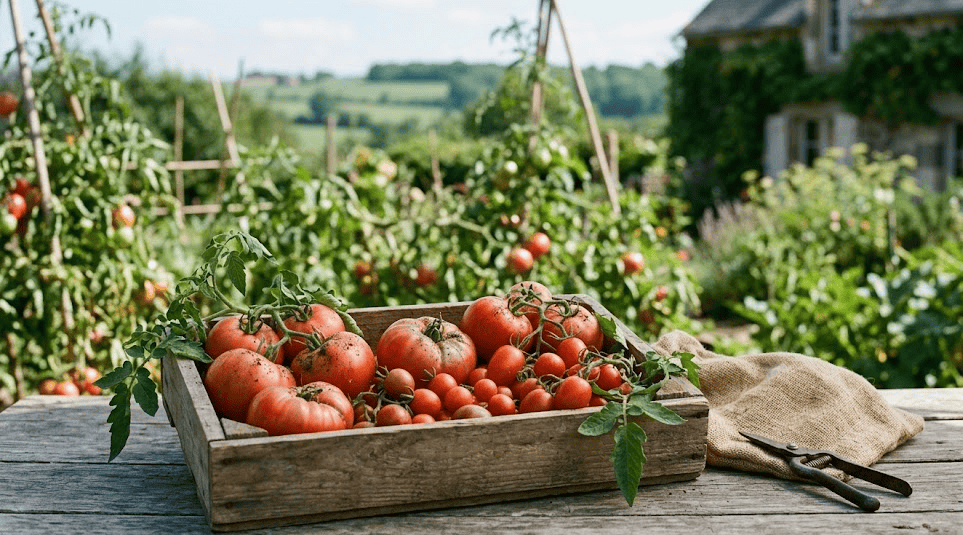
Tomatoes are the leading dietary source of lycopene — a powerful carotenoid antioxidant with a particular affinity for skin protection. Lycopene has been shown in multiple studies to reduce the UV-induced breakdown of collagen in skin, offering a degree of internal photoprotection (which complements but does not replace SPF). Critically, cooked tomatoes (tomato paste, sauce, roasted tomatoes) deliver significantly more bioavailable lycopene than raw ones — up to four times more. A tablespoon of tomato paste in a sauce or soup provides more skin-protective lycopene than a full raw tomato.
Beans and Legumes
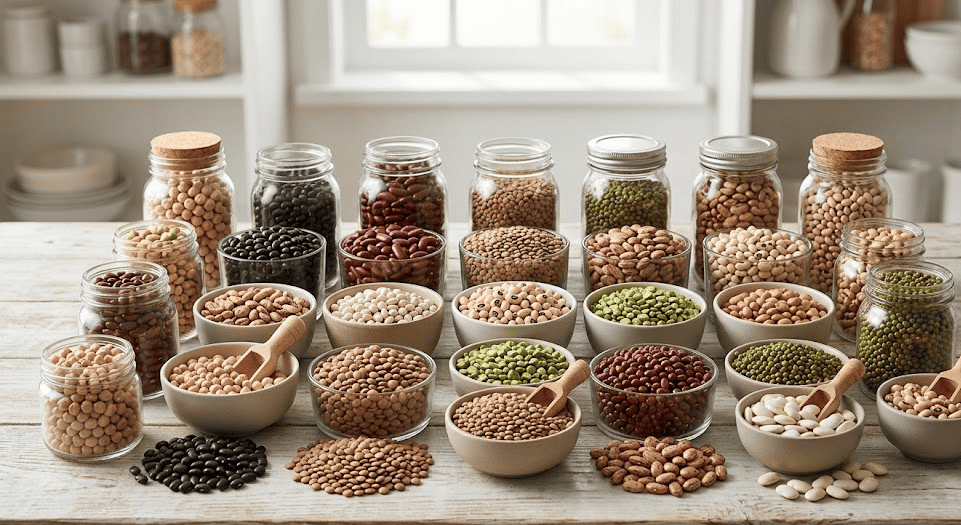
Beans and legumes deliver the amino acids glycine and proline alongside zinc — making them one of the most efficient plant-based collagen-support foods. They’re also rich in copper, a trace mineral required for the enzyme lysyl oxidase, which cross-links collagen and elastin fibers to give them strength. Lentils and black beans are particularly useful choices, combining high protein content with zinc and copper in a form accessible to vegetarians and vegans who may otherwise miss out on the collagen precursor amino acids found in meat.
Foods and Habits That Destroy Collagen
Supporting collagen production with food only goes so far if the opposing forces aren’t addressed.
Refined sugar and high-glycemic foods trigger glycation — the process that makes collagen fibers rigid and disorganized. This is one of the clearest biochemical arguments for limiting sugar intake beyond general health considerations. The damage from glycation accumulates over time and is largely irreversible.
UV exposure without sun protection remains the single largest external driver of collagen degradation. No dietary intervention fully compensates for consistent, unprotected sun exposure. SPF is the most evidence-backed anti-aging intervention that exists.
Smoking dramatically accelerates collagen breakdown — cigarette smoke directly activates the enzymes that degrade collagen and introduces a massive free radical load that overwhelms antioxidant defenses. The skin aging effects of smoking are among the most well-documented in dermatological research.
Excessive alcohol depletes zinc, vitamin C, and other nutrients essential for collagen synthesis, while promoting inflammation that accelerates breakdown.
Ultra-processed foods crowd out the nutrient-dense whole foods that provide collagen precursors and protective antioxidants, while contributing to the inflammatory load that impairs skin repair.
What About Collagen Supplements?
The research on collagen supplementation is more robust than skeptics suggest. Multiple randomized controlled trials have found that hydrolyzed collagen peptides — typically at doses of 10 grams per day — produced measurable improvements in skin elasticity, hydration, and fine line depth after 8–12 weeks of consistent use.
Hydrolyzed collagen is broken down into smaller peptides that are absorbed efficiently from the digestive tract, and research suggests these peptides may stimulate fibroblasts to produce more of their own collagen — a signaling effect beyond simple amino acid supply.
Type I bovine or marine hydrolyzed collagen are the most studied forms for skin benefits. Taking your collagen supplement with a vitamin C source (a glass of orange juice, or a bell pepper at the same meal) meaningfully improves the uptake and utilization of the amino acids provided.
The most effective approach combines a collagen-rich diet with supplementation — food provides the full nutritional matrix; supplements provide a concentrated, targeted dose of the specific peptides with skin-specific research behind them.
A Simple Daily Collagen-Boosting Routine
Here’s what a collagen-focused day of eating looks like in practice:
Breakfast: Two whole eggs scrambled with sliced red bell pepper and a glass of orange juice. Alternatively, a collagen peptide powder stirred into coffee alongside eggs.
Lunch: Grilled chicken (skin-on if possible) over a salad of leafy greens, sliced tomatoes, avocado, and a lemon vinaigrette — the vitamin C in the lemon enhances mineral absorption from the greens.
Dinner: Baked salmon with an avocado and tomato salsa, served over sautéed spinach with garlic. The lycopene in tomatoes, omega-3s from salmon, and sulfur from garlic cover multiple collagen-support mechanisms in one meal.
Snack: A cup of bone broth mid-afternoon (particularly useful in colder months), alongside a handful of mixed berries for anthocyanins and vitamin C.
Frequently Asked Questions
Do collagen supplements actually work? For skin specifically, the evidence is meaningfully positive. Multiple double-blind randomized controlled trials have found hydrolyzed collagen peptides (10g/day) improved skin elasticity, reduced fine lines, and increased skin hydration after 8–12 weeks. The mechanism appears to involve both amino acid supply and a signaling effect on fibroblasts. Results are real but gradual — this isn’t a quick fix, and food-based collagen support alongside supplementation produces better outcomes than either alone.
What is the fastest way to boost collagen naturally? Ensure adequate vitamin C intake daily — without it, collagen synthesis stalls regardless of amino acid availability. Pair this with consistent protein intake (25–30g per meal) from collagen-precursor-rich sources like eggs, chicken, fish, and legumes. Simultaneously eliminating the biggest collagen destroyers — excess sugar, unprotected sun exposure, and smoking — protects the collagen you already have. The fastest visible improvement comes from both supporting production and reducing destruction at the same time.
How long does it take to see results from collagen foods? The timeline mirrors the skin’s natural renewal cycle. Minor improvements in skin hydration and texture may be noticeable within 4–6 weeks of consistent dietary changes. More significant changes in firmness and fine lines typically take 3–6 months, since new collagen must be synthesized and integrated into the skin’s structure. Collagen lost over years won’t be fully replaced in weeks — consistency over months is what produces lasting visible results.
Can you rebuild lost collagen? Yes, to a meaningful degree — though it’s more accurate to say you can stimulate your fibroblasts to produce more collagen rather than “replacing” what was lost. Research shows that the skin retains the capacity to produce new collagen well into older age; the bottleneck is often nutritional supply and accumulated damage rather than the complete loss of synthetic capacity. The most evidence-backed approach combines dietary collagen precursors, vitamin C, hydrolyzed collagen peptides, and minimizing ongoing damage from UV and sugar.
What destroys collagen the most? Chronic unprotected UV exposure is the leading external cause of collagen degradation — it activates enzymes that break down collagen and generates free radicals that damage collagen fibers directly. Internally, excess sugar intake drives glycation — the binding of sugar molecules to collagen that makes fibers rigid and disorganized. Smoking is a close third, dramatically accelerating both free radical damage and collagen-degrading enzyme activity. Addressing all three simultaneously has a more significant impact than any dietary addition alone.
Start Feeding Your Skin From the Inside
Collagen-boosting foods work through multiple mechanisms — some supply the amino acid building blocks fibroblasts need, others provide the vitamin C cofactor without which synthesis stalls, and others protect existing collagen from the oxidative damage and glycation that break it down. The most effective approach uses all three angles simultaneously.
Citrus, bell peppers, and berries for vitamin C. Eggs, chicken, fish, and bone broth for amino acids. Garlic, leafy greens, avocado, and tomatoes for protection. These aren’t exotic ingredients — they’re foods most people already have some relationship with. The difference is eating them consistently, intentionally, and alongside a genuine effort to reduce the habits that undermine collagen faster than diet can rebuild it.
This article is for informational purposes only and does not constitute medical advice. For persistent skin concerns, consult a board-certified dermatologist.

Leave a Comment