
Home Remedies for Bloating That Work Fast can help relieve stomach discomfort, gas, and a feeling of fullness within a short time. Bloating is a common digestive issue that affects people of all ages and can be caused by overeating, food intolerances, constipation, or excess gas. Fortunately, several natural remedies can provide quick relief and help improve digestive health without the need for medication.
You finish a meal and suddenly your stomach feels three times its size. Your waistband tightens, a dull pressure builds, and all you want is relief — fast. If this sounds familiar, you’re not alone. Research suggests bloating affects up to 30% of adults on a regular basis, making it one of the most common digestive complaints in the US. The good news? You don’t always need to reach for a pill. There are several home remedies for bloating that may help relieve discomfort quickly and naturally — often within minutes. Here are the best ones, backed by what we know about digestion and gut health.
What Causes Bloating?
Before reaching for a remedy, it helps to understand what’s going on. Bloating typically happens when excess gas builds up in your stomach or intestines — but the triggers vary.
The five most common causes include:
- Swallowing air while eating or drinking too fast, which gets trapped in your digestive tract
- Gas-producing foods like beans, broccoli, onions, and cabbage — all notorious culprits
- Lactose intolerance, which affects millions of Americans who struggle to digest dairy properly
- Irritable Bowel Syndrome (IBS), a common condition where the gut is extra sensitive to gas and movement
- Eating too fast, which doesn’t give your digestive enzymes enough time to break food down properly
According to the National Institute of Diabetes and Digestive and Kidney Diseases (NIDDK), most bloating is harmless — though persistent cases deserve a closer look.
12 Home Remedies for Bloating That Work Fast
1. Peppermint Tea
Peppermint is one of the most well-studied natural options for digestive discomfort. The menthol in peppermint may help relax the muscles of the gastrointestinal tract, allowing trapped gas to pass more easily. Steep a peppermint tea bag in hot water for 5–7 minutes, sip slowly after meals, and notice the difference within 20–30 minutes.

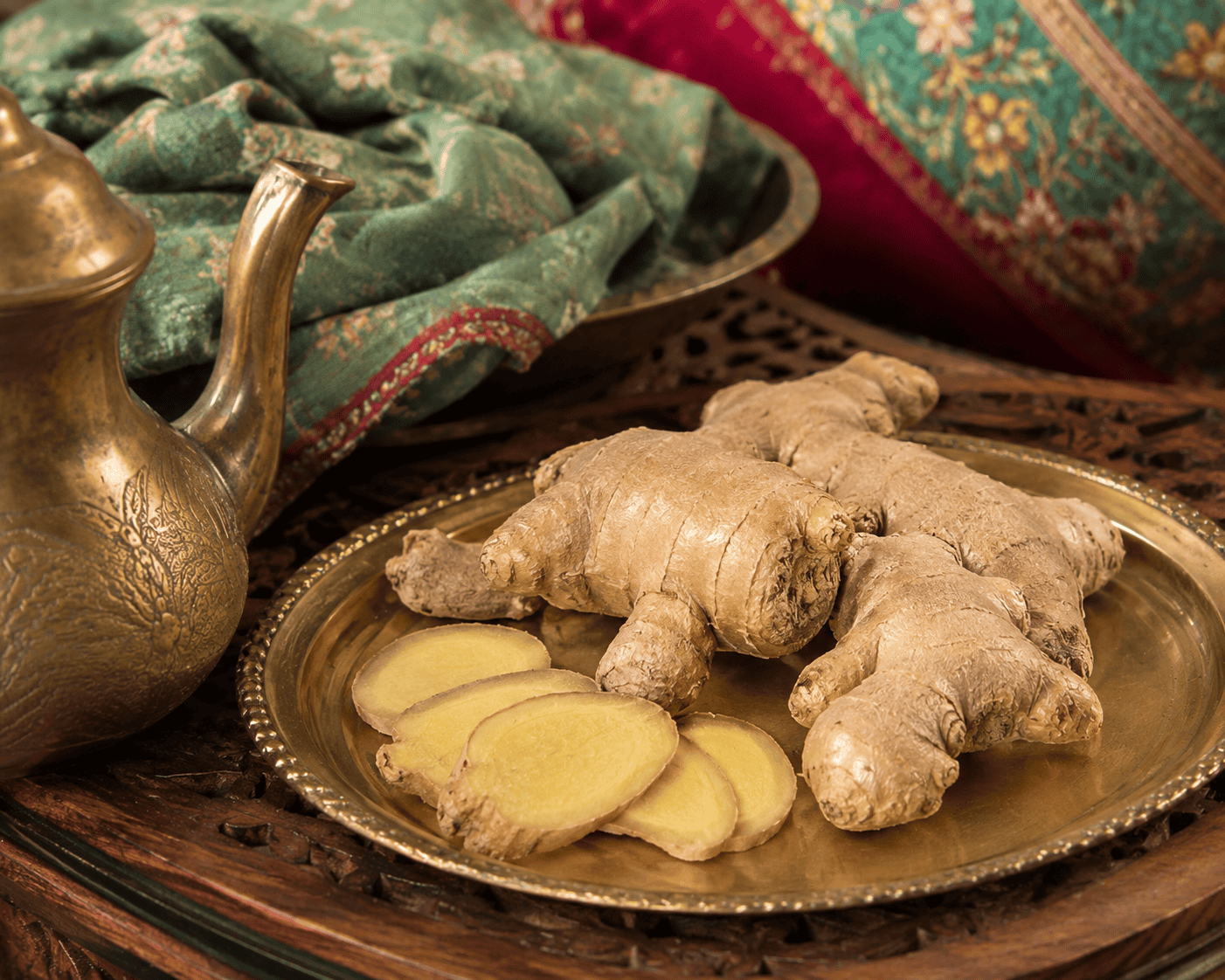
2. Ginger
Ginger has been used for centuries to soothe upset stomachs — and research suggests it’s not just folklore. The active compounds in ginger, called gingerols and shogaols, may help speed up stomach emptying and reduce bloating after meals. Try chewing a small piece of raw ginger, adding it to warm water with lemon, or sipping ginger tea after eating.
3. Warm Lemon Water
A glass of warm lemon water first thing in the morning may help kick your digestion into gear. Lemon is thought to stimulate the production of digestive enzymes in the liver, supporting more efficient breakdown of food. Squeeze half a lemon into a mug of warm (not boiling) water and drink it 15–20 minutes before your first meal.

4. Fennel Seeds
Fennel seeds are a traditional carminative — meaning they may help relieve gas and bloating by relaxing muscles in the intestines. After a heavy meal, try chewing on half a teaspoon of fennel seeds slowly, or brew them into a tea by steeping one teaspoon in boiling water for 10 minutes. Many Indian restaurants offer fennel seeds after meals for exactly this reason.
5. Apple Cider Vinegar
Apple cider vinegar (ACV) may help stimulate stomach acid production, which can improve digestion and reduce gas buildup. Mix 1 tablespoon of raw, unfiltered ACV into a glass of warm water and drink it about 20 minutes before meals. It’s not for everyone — if you have acid reflux, check with your doctor first. For a deeper look, see our guide on whether apple cider vinegar helps with weight loss.

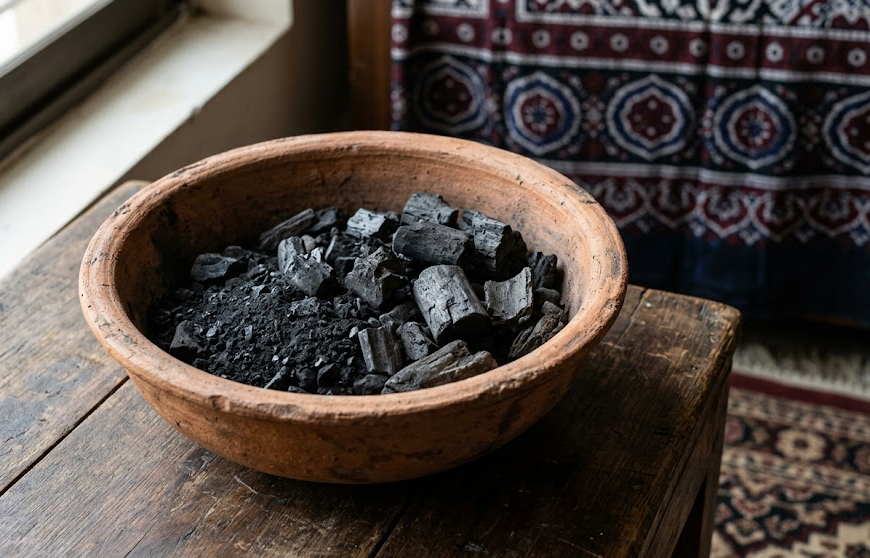
6. Activated Charcoal
Activated charcoal works differently from other remedies — it binds to gas-producing compounds in the gut, potentially trapping them before they cause bloating. Available as capsules or powder at most pharmacies, it’s best used occasionally rather than daily. WebMD notes it may be especially useful after eating a known trigger food.
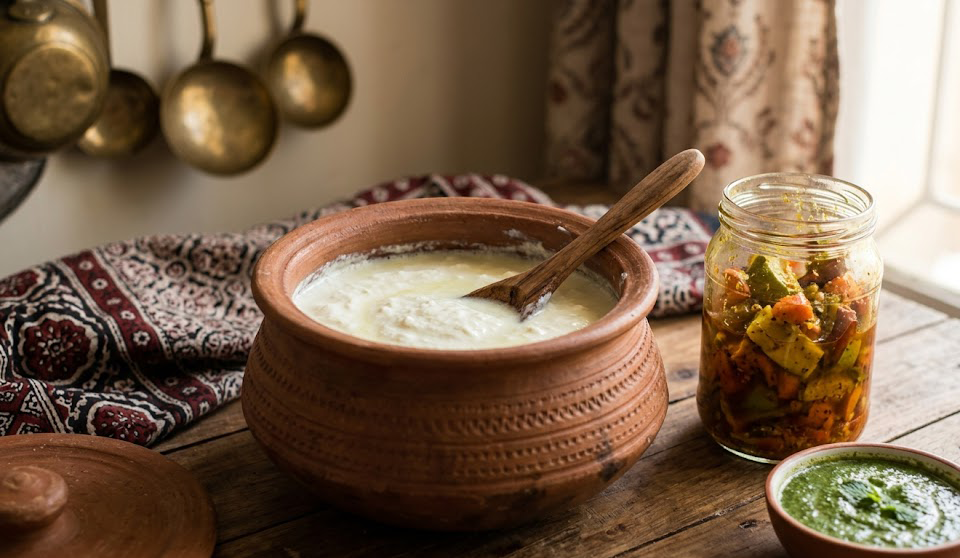
7. Probiotics
Probiotics help restore the balance of good bacteria in your gut, which plays a major role in how efficiently you digest food and how much gas you produce. Research suggests regular probiotic use may help relieve bloating over time, particularly for people with IBS. Look for yogurt with live active cultures, kefir, or a daily probiotic supplement with multiple strains. See our buyer’s guide to the best probiotics for gut health for strain-by-strain recommendations.
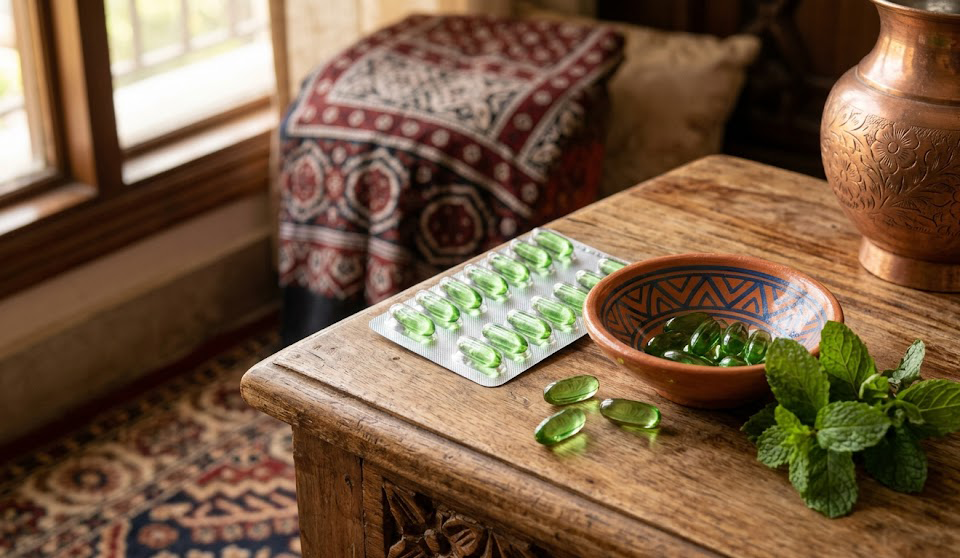
8. Peppermint Oil Capsules
If peppermint tea isn’t strong enough, enteric-coated peppermint oil capsules are a more concentrated option. The enteric coating prevents them from dissolving in the stomach (which could cause heartburn) and allows them to reach the intestines where they do the most good. Take 1–2 capsules about 30–60 minutes before meals for best results.
9. Walk After Eating
Sometimes the simplest remedies are the most effective. A short walk after eating — even just 10–15 minutes — stimulates intestinal contractions that help move gas through your digestive system. Research published in digestive health journals suggests light post-meal movement significantly speeds up gastric emptying compared to sitting still.

10. Avoid Carbonated Drinks
This one is about prevention as much as relief. Carbonated drinks — soda, sparkling water, beer — introduce CO2 bubbles directly into your digestive tract. If you’re already bloated, swapping your fizzy drink for still water or herbal tea may help relieve pressure surprisingly quickly.

11. Abdominal Massage
Massaging your abdomen in a clockwise direction (following the path of your large intestine) may help physically move gas through your system. Apply gentle but firm pressure starting near your right hip, moving up toward your ribs, across your upper abdomen, and down toward your left hip. Spend 3–5 minutes on this technique lying down or sitting comfortably.

12. Heat Pad on Your Stomach
Heat therapy is an old-fashioned remedy that genuinely works. Applying a warm heat pad or hot water bottle to your abdomen may help relax the abdominal muscles and ease cramping and pressure caused by gas. Use it for 15–20 minutes while lying down. This pairs especially well with the abdominal massage above.

Foods That Help Reduce Bloating
What you eat matters just as much as what you do after eating. These foods are known to support digestion and may help reduce bloating naturally:
- Cucumber — high water content, helps flush excess sodium that contributes to water retention
- Banana — rich in potassium, which counteracts the bloating effects of salt
- Papaya — contains papain, a digestive enzyme that may help break down proteins more efficiently
- Asparagus — a natural diuretic that helps the body eliminate excess water and gas
- Yogurt — live active cultures support a healthy gut microbiome
- Ginger — anti-inflammatory and digestive-stimulating (yes, it belongs on both lists)
- Pineapple — contains bromelain, an enzyme that aids in protein digestion and may reduce gut inflammation
Incorporating these foods regularly — not just when you’re already bloated — may help reduce bloating as part of a balanced diet.
Foods to Avoid If You’re Bloated
Certain foods are well-known gas producers or gut irritants. If you’re prone to bloating, it’s worth limiting:
- Beans and lentils — contain raffinose, a complex sugar the gut struggles to break down
- Broccoli, cabbage, and onions — cruciferous vegetables and alliums are notorious bloating triggers
- Carbonated drinks — introduce excess gas directly into your digestive system
- Dairy products — problematic for anyone with lactose sensitivity
- Artificial sweeteners (sorbitol, xylitol) — ferment in the gut and produce excess gas
- Salty, processed foods — promote water retention, which worsens that “puffy” feeling
Frequently Asked Questions
How do I get rid of bloating in 5 minutes? The fastest options are walking briskly, trying abdominal massage in a clockwise direction, or applying a heat pad to your stomach. These physical approaches may help move trapped gas quickly. Avoiding carbonated drinks and taking a few slow, deep breaths to reduce swallowed air can also provide near-immediate relief.
What is the fastest natural remedy for bloating? Peppermint tea and ginger tend to work the fastest for most people — often providing noticeable relief within 20–30 minutes. For some, a short walk after eating is equally effective. The best option depends on your personal triggers; keeping a food and symptom journal can help you identify which remedies work best for you.
Does drinking water help with bloating? It can — but the type and timing matters. Still water may help flush out excess sodium and support digestion. However, drinking large amounts of water very quickly, or drinking carbonated water, may actually worsen bloating temporarily. Sipping warm water or herbal tea steadily throughout the day tends to be more effective than gulping large amounts at once.
Why do I bloat after every meal? Consistent post-meal bloating may point to a food sensitivity (such as lactose or gluten intolerance), IBS, eating too quickly, or consistently eating large portions. Keeping a food diary for a few weeks may help you spot patterns. If bloating after meals is severe or accompanied by pain, it’s worth discussing with your doctor to rule out underlying conditions.
When should I see a doctor about bloating? Most bloating is harmless and responds well to lifestyle and dietary adjustments. However, you should consult a doctor if bloating is persistent, severe, or accompanied by symptoms like unexplained weight loss, blood in your stool, vomiting, or significant abdominal pain. These may signal a more serious underlying condition that needs professional evaluation.
Finding Relief That Lasts
Dealing with bloating doesn’t have to mean suffering through it or relying on over-the-counter medications every time. The home remedies for bloating that tend to work best — peppermint tea, ginger, and a short walk after meals — are simple, accessible, and gentle on your body. Using them consistently, alongside a diet that limits known trigger foods, may help you reduce bloating naturally over time.
That said, everyone’s gut is different. What works beautifully for one person may not work as well for another, so it’s worth experimenting and paying attention to how your body responds.
This article is for informational purposes only and does not constitute medical advice. Always consult a healthcare professional for persistent or severe symptoms.
Consult your doctor if bloating is persistent or severe, as it may be a sign of an underlying digestive condition that requires professional care.

Leave a Comment