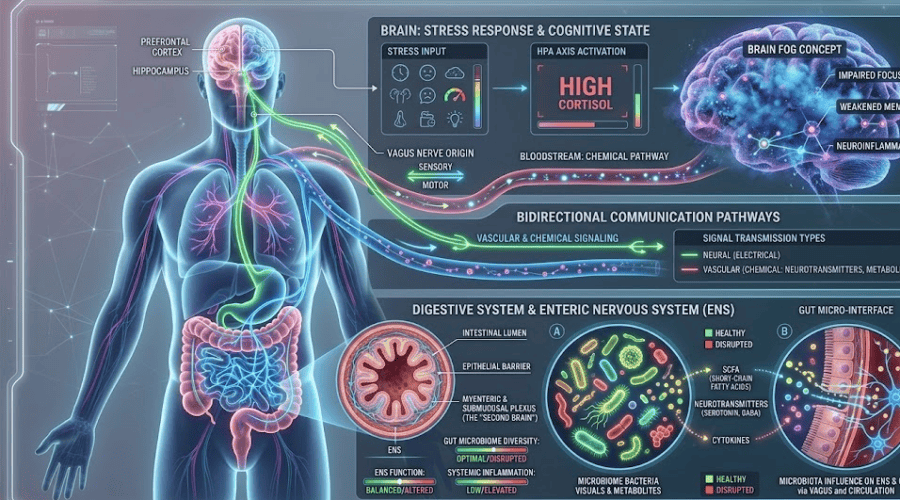
Your gut does far more than digest food. It houses roughly 70% of your immune system, produces approximately 90% of your body’s serotonin, and communicates constantly with your brain through what researchers call the gut-brain axis. When gut health suffers, the effects don’t stay local — they ripple through your entire body in ways that can be frustratingly difficult to connect back to their source. Persistent fatigue, brain fog, skin flare-ups, anxiety, and frequent illness can all trace back to what’s happening in your digestive tract. If you’ve been dealing with symptoms that don’t seem to have an obvious cause, the signs of poor gut health may be hiding in plain sight. Here’s how to recognize them — and what the evidence says about fixing them.
What Is Gut Health and Why Does It Matter?
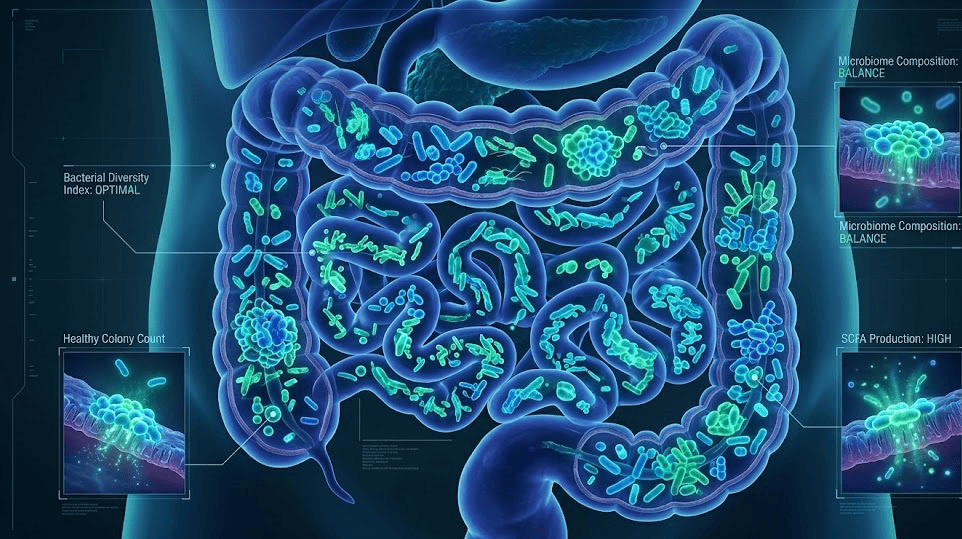
Your gut is home to an estimated 100 trillion bacteria, fungi, and viruses — a complex ecosystem collectively known as the gut microbiome. The diversity of that ecosystem is the single best marker of gut health: a microbiome with hundreds of different species is a resilient, functional one. A depleted microbiome with low diversity is associated with a long list of chronic health conditions.
When this balance tips toward the wrong bacteria — a state researchers call dysbiosis — the consequences extend well beyond your digestive tract. Dysbiosis has been linked to autoimmune conditions, mental health disorders, metabolic disease, and chronic inflammation.
The modern lifestyle is particularly hard on the microbiome. Antibiotics wipe out bacteria indiscriminately, good and bad alike. Ultra-processed foods feed pathogenic bacteria while starving beneficial ones. Chronic stress alters gut motility and microbiome composition directly. Add alcohol, pesticide residues in food, and inadequate sleep, and it becomes easier to understand why gut health problems are increasingly common — even among people who think they eat reasonably well.
12 Signs Your Gut Health May Be Poor
Bloating and Gas After Meals
Occasional gas is normal. Consistent bloating after meals — especially after eating foods like onions, garlic, beans, or wheat — is one of the clearest signs of poor gut health. When beneficial bacteria are depleted and opportunistic bacteria overgrow, fermentation in the gut becomes chaotic and excessive. Conditions like Small Intestinal Bacterial Overgrowth (SIBO) and low stomach acid can also allow food to ferment higher up in the digestive tract than it should, producing significant discomfort. If bloating is your primary symptom, it’s worth exploring both your microbiome and your stomach acid levels.

Constipation or Chronic Diarrhea
Your gut microbiome plays a direct role in regulating bowel transit time — how quickly food moves through your intestines. Research published in journals indexed by the NIH has found measurable differences in microbiome composition between people with constipation, diarrhea-predominant IBS, and those with normal bowel function. Too little of certain Bifidobacterium species is associated with constipation; overgrowth of certain pathogenic bacteria is linked to loose, urgent stools. Irregular bowel habits that persist for weeks deserve attention.
Chronic Fatigue
Persistent fatigue that doesn’t resolve with adequate sleep is often dismissed as stress — but it can be a gut health red flag. A compromised gut lining impairs nutrient absorption, meaning your cells aren’t getting adequate iron, B12, magnesium, or other micronutrients needed for energy production. Beyond that, gut-driven inflammation can impair mitochondrial function — essentially reducing your cells’ ability to generate energy efficiently. People with chronic fatigue syndrome show distinctly altered microbiome profiles compared to healthy controls in multiple studies.

Brain Fog and Difficulty Concentrating
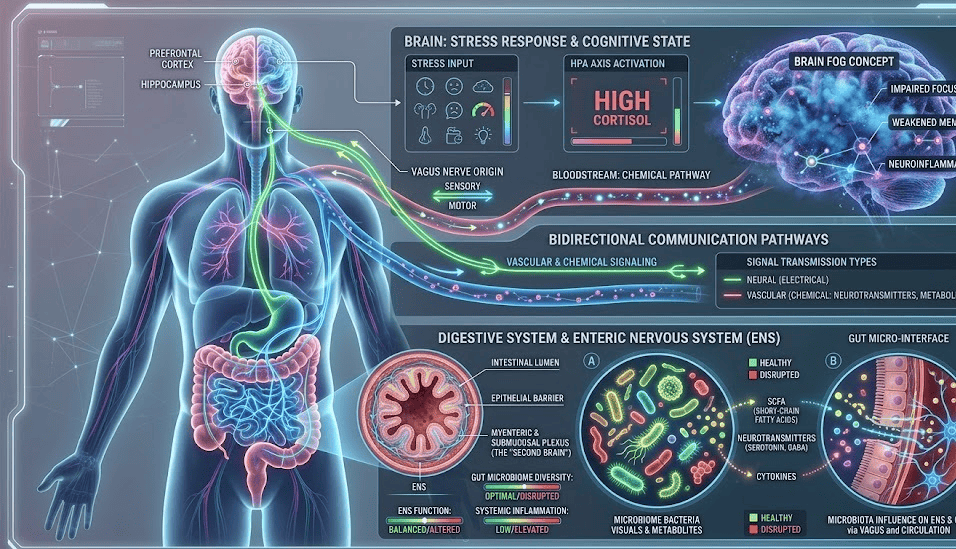
The gut-brain axis is a bidirectional communication highway — and traffic flows both ways. When the gut microbiome is imbalanced, it triggers the release of inflammatory cytokines that can cross the blood-brain barrier and impair cognitive function. This manifests as the kind of mental sluggishness people describe as “thinking through fog” — difficulty concentrating, poor working memory, and mental fatigue even when physically rested. If your brain fog is worst after meals or seems to track with digestive symptoms, the gut connection is worth exploring seriously.
Frequent Colds and Infections
With roughly 70% of the immune system residing in gut-associated lymphoid tissue, the state of your microbiome directly shapes your immune response. A diverse, healthy microbiome trains immune cells to distinguish threats from non-threats and mounts rapid responses to genuine pathogens. Dysbiosis undermines this training. People with frequent upper respiratory infections, slow wound healing, or who seem to catch every bug going around may find that supporting gut health is one of the most impactful immune interventions available to them.

Skin Problems — Acne, Eczema, Rosacea
The gut-skin axis is a well-documented but underappreciated relationship. Intestinal permeability — commonly referred to as “leaky gut” — allows bacterial fragments and inflammatory compounds to enter the bloodstream, where they drive systemic inflammation that can manifest visibly on the skin. Studies have found that people with rosacea have significantly higher rates of SIBO than the general population. Eczema and acne have both been linked to gut dysbiosis in peer-reviewed research. Treating skin conditions topically without addressing the gut is often why results are temporary.

Developing New Food Intolerances
Food intolerances that appear in adulthood — when you could previously eat anything without issue — often reflect damage to the intestinal lining. The gut lining is a single cell layer thick, maintained by tight junction proteins that control what passes into the bloodstream. When this lining is compromised (by chronic stress, alcohol, NSAIDs, or dysbiosis), larger food particles slip through, triggering immune responses that register as sensitivities to foods that were previously well-tolerated. The development of multiple new food intolerances simultaneously is a particularly significant gut health red flag.

Unexplained Weight Gain or Difficulty Losing Weight
Two people can eat identical diets and extract meaningfully different numbers of calories from them — and their gut bacteria are partly responsible. Research has shown that the ratio of Firmicutes to Bacteroidetes species influences how efficiently calories are extracted from food. Certain bacterial profiles are also associated with increased fat storage and altered appetite hormones. If weight is changing without clear dietary explanation, or if fat loss efforts consistently underperform despite a genuine caloric deficit, gut microbiome composition deserves consideration.

Sugar and Carbohydrate Cravings
This one is particularly insidious: the bacteria that thrive on sugar and refined carbohydrates are capable of signaling your brain for more of what feeds them. Candida and certain other opportunistic organisms increase cravings for the foods that sustain their overgrowth. Breaking this cycle requires more than willpower — it requires starving the organisms driving the cravings, which is one reason eliminating sugar is so difficult for some people and so much easier once the microbiome has been rebalanced.

Anxiety and Low Mood
Since the gut produces roughly 90% of the body’s serotonin — a neurotransmitter fundamental to mood regulation — it’s logical that gut dysbiosis would affect mental health. But the relationship goes beyond serotonin. Multiple clinical studies have found that people with anxiety and depression have measurably different microbiome compositions than those without mood disorders. Certain Lactobacillus and Bifidobacterium strains appear to modulate the stress response via the vagus nerve. The emerging field of psychobiotics — probiotics targeting mental health — is one of the most active areas of gut research.

Autoimmune Conditions Flaring
Intestinal permeability doesn’t just cause food intolerances — it allows bacterial antigens (fragments of bacterial cell walls) to enter the bloodstream, where the immune system mounts a response. In genetically susceptible individuals, this immune activation can trigger or worsen autoimmune conditions including rheumatoid arthritis, Hashimoto’s thyroiditis, and lupus. Research increasingly suggests that healing the gut lining is a meaningful adjunct strategy for autoimmune management, though it should always be pursued alongside conventional medical care.
Bad Breath That Persists Despite Good Dental Hygiene
When bacterial overgrowth occurs in the gut — particularly SIBO — the gases produced can travel upward and manifest as chronic bad breath that no amount of brushing fully resolves. Hydrogen sulfide and other volatile compounds produced by pathogenic gut bacteria are the culprit. If halitosis is persistent and you’ve ruled out dental causes, a gut dysbiosis assessment may reveal the source.
What Causes Poor Gut Health?
Understanding the causes is the first step toward fixing them. The most common gut health destroyers include:
- Antibiotics — necessary when prescribed, but broad-spectrum antibiotics can wipe out beneficial bacteria for months or longer
- Ultra-processed foods — high in emulsifiers, artificial sweeteners, and refined carbohydrates that feed pathogenic bacteria and starve beneficial species
- Chronic stress — cortisol and adrenaline directly alter gut motility, gut lining integrity, and microbiome composition via the HPA axis
- Excessive alcohol — damages the gut lining and promotes dysbiosis, particularly overgrowth of gram-negative bacteria
- Low dietary fiber — beneficial bacteria depend on prebiotic fiber to survive; a low-fiber diet slowly starves them
- NSAID overuse — ibuprofen and similar medications damage the gut lining with regular use
- Sedentary lifestyle — physical activity is an independent predictor of microbiome diversity
- Poor or disrupted sleep — the gut microbiome follows a circadian rhythm; chronic sleep disruption measurably alters its composition
How to Fix Poor Gut Health Naturally
The good news: the microbiome is responsive. The right changes produce detectable results quickly. These five interventions have the strongest evidence base:
1. Eat 30+ different plant foods per week. The landmark American Gut Project found that people eating 30 or more distinct plant species per week had significantly more diverse microbiomes than those eating fewer than 10. Every different plant brings a unique type of fiber that feeds a different bacterial population. Diversity in, diversity out.
2. Add fermented foods daily. Yogurt, kefir, kimchi, sauerkraut, miso, and kombucha deliver live bacteria alongside prebiotic fiber and nutrients. A Stanford study published in Cell found that a high-fermented-food diet increased microbiome diversity and reduced markers of inflammation more effectively than a high-fiber diet alone.
3. Eliminate ultra-processed foods for at least two weeks. Microbiome changes in response to dietary shifts are detectable within days. Two weeks of removing processed foods, refined sugar, and artificial ingredients gives the microbiome a meaningful reset window and noticeably reduces gut-driven inflammation in most people.
4. Actively manage stress. Cortisol directly damages the tight junctions maintaining gut lining integrity. Practices with evidence for cortisol reduction — regular exercise, consistent sleep, breathwork, and mindfulness — are also, indirectly, gut health interventions.
5. Take a quality probiotic with researched strains. Look for products containing Lactobacillus and Bifidobacterium species with strain-specific research. Multi-strain formulas with guaranteed CFU at expiry and third-party testing are worth the investment.
How Long Does It Take to Improve Gut Health?
Faster than most people expect — but slower than most people want. Dietary changes produce detectable microbiome shifts within 1–2 weeks, which is genuinely encouraging. Meaningful symptom improvement in conditions like bloating, irregular bowel habits, and fatigue typically follows within 4–8 weeks of consistent dietary and lifestyle changes.
Recovery from a course of antibiotics is a longer process: research suggests full microbiome restoration can take 6 months or more, and some species may not return to pre-antibiotic levels without targeted probiotic support. Consistency matters far more than perfection. A good gut health week followed by a weekend of ultra-processed food and alcohol won’t undo all progress, but chronic inconsistency will blunt results significantly.
Frequently Asked Questions
How do I know if I have poor gut health? The clearest indicators are persistent digestive symptoms (bloating, irregular bowel habits, recurring stomach pain), combined with systemic signs like chronic fatigue, brain fog, frequent illness, or skin problems that don’t respond to topical treatment. A functional medicine practitioner can order microbiome testing, SIBO breath tests, or intestinal permeability markers if you want objective data. For persistent digestive symptoms, always start with your primary care doctor.
Can poor gut health cause anxiety? Research strongly supports this connection. The gut produces around 90% of the body’s serotonin and communicates with the brain via the vagus nerve. Multiple clinical studies have found measurably different microbiome profiles in people with anxiety and depression compared to those without mood disorders. Improving gut health — through diet, fermented foods, and targeted probiotics — has shown mood benefits in clinical trials, though it works best as a complement to, not a replacement for, conventional mental health treatment.
How quickly can you repair gut health? Initial microbiome changes are detectable within days of meaningful dietary shifts. Noticeable symptom improvement typically takes 4–8 weeks of consistent effort. Full recovery from antibiotic disruption can take 6 months or longer. The microbiome is dynamic and responsive — every consistent positive change you make compounds over time.
What is the best probiotic for gut health? There’s no single best probiotic — it depends on your specific symptoms. Multi-strain formulas containing Lactobacillus acidophilus, L. rhamnosus GG, Bifidobacterium longum, and B. lactis cover the broadest range of gut health benefits for most people. Choose a product with strain-specific research, guaranteed CFU at expiry, and third-party testing.
Does poor gut health cause weight gain? It can contribute. Gut bacteria influence how many calories are extracted from food, how fat is stored, and how appetite hormones like leptin and ghrelin function. People with obesity consistently show different microbiome profiles than lean individuals, though causality is still being established. Improving gut health won’t replace a caloric deficit, but it can meaningfully support more efficient metabolism and reduce the inflammation that makes fat loss harder.
Your Gut Is Telling You Something — It’s Worth Listening
The signs of poor gut health are rarely dramatic in isolation — it’s the combination of persistent, seemingly unrelated symptoms that should prompt a closer look. Fatigue plus brain fog plus bloating plus frequent illness plus mood changes isn’t bad luck. It’s your gut asking for help.
The evidence-backed path forward is not complicated: more diverse plant foods, fermented foods daily, less processed food, better stress management, and consistent sleep. These aren’t radical interventions — they’re the foundation your microbiome was designed to function on.
This article is for informational purposes only and does not constitute medical advice. See your doctor for persistent digestive symptoms, significant unexplained changes in bowel habits, or symptoms that interfere with daily life. Gut health interventions should complement, not replace, professional medical care.



Leave a Comment