
Signs of Dehydration You Might Be Ignoring
Most Americans are chronically mildly dehydrated — and most of them don’t know it. The signs of dehydration are often dismissed as normal tiredness, hunger, headaches, or brain fog without the connection to fluid intake ever being made. Here’s the number that changes how you think about thirst: by the time you feel it, you’re already 1–2% dehydrated. That sounds small, but research consistently shows it’s enough to meaningfully impair cognitive performance, mood, and physical capacity. You’re operating below your potential without realizing fluid intake is the variable to adjust. This guide covers twelve dehydration signs that are easy to overlook, how to tell mild from severe, and how to rehydrate effectively when you realize you’ve fallen behind.
How Dehydration Affects Your Body
Water isn’t just a thirst-quencher — it’s the medium for virtually every chemical reaction in the body. Blood volume, nutrient transport, waste removal, joint lubrication, body temperature regulation, and cellular energy production all depend on adequate fluid.
When you lose even 1–2% of your body weight in water (roughly 1.5–3 cups for a 150-pound person), research shows measurable declines in short-term memory, attention, reaction time, and mood. A 2012 study published in the Journal of Nutrition found that women who were 1.36% dehydrated reported increased fatigue, more difficulty concentrating, and worse mood — without any sensation of intense thirst.
At 3–4% dehydration, physical performance drops significantly, headaches and dizziness become prominent, and the kidneys begin conserving water more aggressively — producing less, more concentrated urine as a result. The kidneys are central to fluid balance: they continuously adjust urine concentration in response to blood osmolarity (the concentration of dissolved substances in blood), filtering 120–150 liters of blood daily and excreting fluid accordingly. When intake falls short, this system works to compensate — but at a cost to performance and comfort in the meantime.
12 Signs of Dehydration You Might Be Ignoring
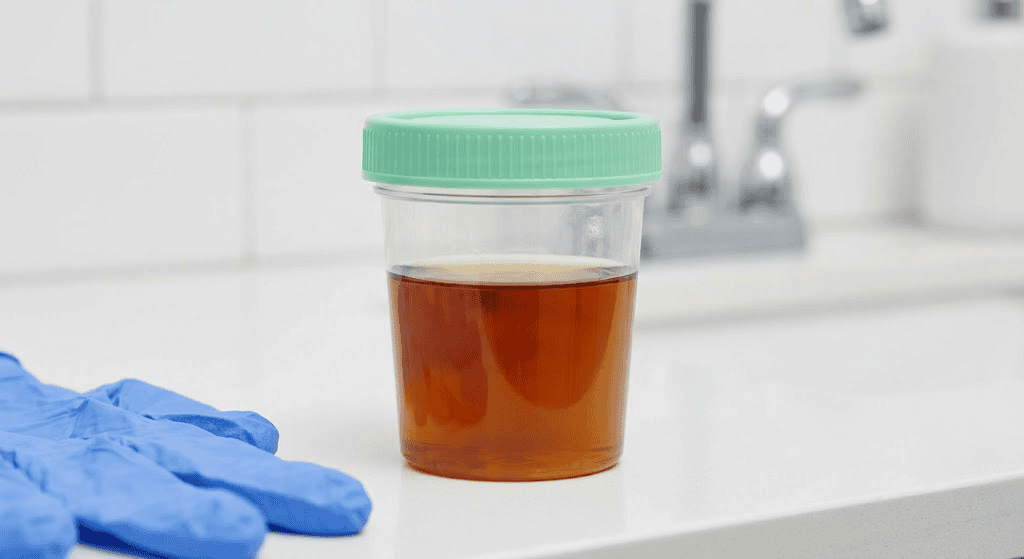
1. Dark Yellow Urine
This is the single most reliable real-time indicator of dehydration — and it’s one most people don’t check deliberately. Urine color reflects concentration: pale yellow to straw-colored means you’re adequately hydrated. Dark yellow, amber, or orange means the kidneys are concentrating waste products because there isn’t enough fluid to dilute them. According to the NIH, urine should be pale yellow throughout the day — not just first thing in the morning when overnight concentration is normal. If your mid-afternoon urine is consistently dark, your fluid intake is consistently short.
2. Persistent Fatigue
Unexplained tiredness that doesn’t improve with sleep is one of the most overlooked signs of dehydration. When blood volume decreases — as it does with dehydration — the heart has to work harder to deliver oxygen and nutrients to muscles and organs. The result is reduced energy output, physical fatigue, and a mental sluggishness that closely resembles the tired-but-wired feeling of caffeine withdrawal. Many people reach for a third cup of coffee when a large glass of water would address the root cause more effectively.

3. Headaches
The brain is approximately 73% water and sits inside the skull with a cushion of cerebrospinal fluid that’s also largely water. When dehydration reduces total body fluid, this cushion temporarily decreases — and the brain may pull slightly away from the skull, triggering pain receptors. This mechanism explains why dehydration headaches tend to worsen with movement and improve with rehydration. The Mayo Clinic lists dehydration as one of the most common and correctable headache triggers. Before reaching for pain medication, drinking 16 oz of water and waiting 30 minutes is a reasonable first step for a mild headache with no other obvious cause.

4. Brain Fog and Poor Concentration
Research published in multiple peer-reviewed journals has found that even 1% dehydration is sufficient to impair scores on tests of short-term memory, attention, psychomotor speed, and reaction time. The mechanism involves reduced cerebral blood flow and the early activation of stress hormones (including cortisol) that the body releases in response to dehydration. If you frequently experience mid-morning or mid-afternoon cognitive slumps that don’t fully respond to sleep or nutrition adjustments, chronic mild dehydration is worth ruling out before exploring other explanations.

5. Bad Breath
Saliva has two relevant functions beyond digestion: it washes food particles from the mouth and contains antimicrobial compounds that keep bacteria populations in check. When dehydration reduces saliva production, bacteria multiply more freely, producing the volatile sulfur compounds that cause halitosis. Bad breath that’s persistent throughout the day — not just in the morning — and doesn’t improve with tooth brushing is frequently a dehydration sign rather than a dental one. Consistently staying hydrated supports saliva production and often resolves this issue without any other intervention.

6. Dry or Dull Skin
The skin is the body’s largest organ and one of the places where fluid status shows most visibly. Dehydrated skin loses elasticity — the clinical test is the “skin turgor” check, where a pinched fold of skin on the back of the hand is released and its speed of return to flat is observed. Slow return suggests dehydration. More commonly, people notice dullness, tightness after washing, flakiness in areas that weren’t previously dry, or makeup setting poorly on skin that lacks its usual suppleness. Topical moisturizers address the surface but don’t fix the underlying hydration deficit.

7. Muscle Cramps
Muscle cramps — particularly the leg cramps that strike at night or during exercise — are frequently caused by electrolyte imbalances that accompany dehydration rather than dehydration alone. When you sweat, you lose sodium, potassium, and magnesium alongside water. If you replenish fluid without replenishing electrolytes, the concentration of these minerals in the blood changes in ways that affect muscle cell function and create the involuntary contractions felt as cramps. People who experience regular muscle cramps need both better hydration and attention to electrolyte intake — not just more water.

8. Constipation
The large intestine’s job includes absorbing water from food as it passes through. When the body is dehydrated, the colon pulls more water than usual from waste material to compensate — making stool harder, drier, and more difficult to pass. Chronic mild dehydration is one of the most common and most overlooked contributors to constipation, and increasing fluid intake is frequently the first intervention gastroenterologists recommend. This is also why fiber supplements without adequate water often worsen constipation rather than resolve it — the fiber needs fluid to soften and bulk stool effectively.

9. Constant Hunger
The hypothalamus — the region of the brain that regulates both hunger and thirst — processes these two signals in the same area, and the signals can be confused. When you’re mildly dehydrated, the thirst signal is frequently interpreted as hunger, leading to eating when drinking was what the body actually needed. If you find yourself hungry shortly after eating a reasonable meal, or if you experience persistent low-level hunger throughout the day despite adequate caloric intake, drinking a full glass of water and waiting 15–20 minutes is a useful diagnostic. If the hunger disappears, dehydration was the driver.

10. Dizziness When Standing Up
The medical term is orthostatic hypotension — a temporary drop in blood pressure that occurs when standing after sitting or lying down. Dehydration reduces blood volume, making this pressure drop more pronounced and the dizzy or light-headed sensation more intense. Mild cases are common and resolve quickly; more significant or frequent episodes, particularly when accompanied by other dehydration signs, indicate the body is running significantly short on fluid. Older adults are particularly susceptible because both blood pressure regulation and thirst sensation become less reliable with age.

11. Infrequent Urination
Urinating fewer than four times per day is a meaningful warning sign. Healthy, well-hydrated adults typically urinate six to eight times per 24 hours. When the kidneys are conserving fluid due to inadequate intake, urine output decreases dramatically — and the kidneys concentrate waste products into the reduced volume they do produce. Infrequent, dark urination is a double signal worth taking seriously. The inverse — frequent pale urination — indicates good hydration (or, if excessive, potentially overhydration or a condition like diabetes insipidus that warrants medical attention).

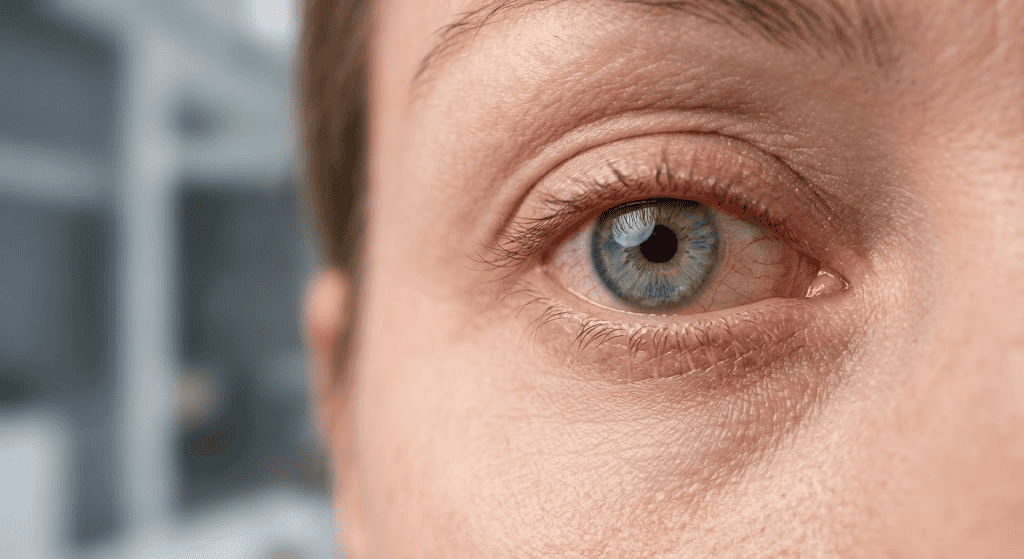
12. Dry Eyes
Tear production depends on adequate hydration. Dehydration reduces the volume of tears the lacrimal glands can produce, resulting in dry, irritated eyes that are more sensitive to light and screens than usual. People who already experience dry eye syndrome find symptoms worsen during periods of dehydration. If you’re reaching for eye drops more frequently on days when you’ve drunk less water, the connection is likely direct. While eye drops address the immediate discomfort, hydration addresses the cause.
Mild, Moderate, and Severe Dehydration — How to Tell the Difference
Mild dehydration (1–2% body weight loss): Thirst, slightly dark urine, mild fatigue, reduced concentration. Easily addressed by drinking water and moderating activity.
Moderate dehydration (3–5% body weight loss): Pronounced headache, significantly reduced urine output, notable fatigue and dizziness, dry mouth, muscle cramping. Requires deliberate rehydration with water and electrolytes over several hours.
Severe dehydration (6%+ body weight loss): Rapid heartbeat, rapid breathing, sunken eyes, no urination for 8+ hours, confusion, extreme weakness, skin that doesn’t spring back when pinched. This is a medical emergency. Call 911 or go to an emergency room — severe dehydration requires IV fluid replacement and medical monitoring, not home treatment.
Children and elderly individuals can deteriorate from mild to severe dehydration faster than healthy adults. If you observe the severe signs above in anyone — particularly a child or older person in hot weather — seek emergency care immediately.
Who Is Most at Risk of Dehydration
Certain groups face higher baseline dehydration risk and should be especially attentive to fluid intake:
- Older adults — the thirst sensation diminishes significantly with age, meaning elderly people frequently don’t register thirst until dehydration is moderate
- Athletes and people who exercise in heat — sweat rates can exceed 1–2 liters per hour during intense exercise in warm conditions
- Outdoor and manual workers — prolonged sun and heat exposure with limited break opportunities
- People with diabetes — elevated blood glucose increases urinary water loss; some diabetes medications are also diuretic
- Those taking diuretic medications — prescribed for blood pressure and heart conditions, diuretics increase fluid output
- Children — higher body surface area relative to volume means faster fluid loss through skin and breathing
- People in hot or humid climates — passive fluid loss through sweating is significantly higher in warm environments
How to Rehydrate Quickly and Effectively
For mild dehydration: Plain water is sufficient. Drink steadily over 30–60 minutes rather than all at once — the body absorbs approximately 0.8–1 liter per hour, and drinking more than that quickly isn’t processed faster.
For moderate dehydration (after significant sweating, illness, or heat exposure): Water alone may not be enough — you’ve lost electrolytes alongside fluid. Electrolyte drinks, coconut water, or a homemade oral rehydration solution (1 liter water, 6 teaspoons sugar, ½ teaspoon salt) replenishes sodium and potassium alongside fluid. Commercial sports drinks work but often contain more sugar than needed for most situations.
Eat water-rich foods: Cucumber, watermelon, celery, strawberries, and soups all contribute to rehydration alongside drinking.
Avoid caffeine and alcohol while dehydrated: Both promote fluid loss at a time when your body needs to retain what it’s taking in.
For severe dehydration: Oral rehydration isn’t sufficient — intravenous fluids are needed. Seek medical care.
Frequently Asked Questions
What are the first signs of dehydration? The earliest signs are thirst (which, importantly, appears after dehydration has already begun), slightly dark urine, and a subtle drop in energy or concentration that’s easy to miss or attribute to other causes. Most people notice fatigue or mild headache before they connect the experience to fluid intake. The practical takeaway: don’t wait for thirst — it’s a lagging signal. Monitoring urine color throughout the day is a more reliable real-time indicator than waiting for thirst.
Can dehydration cause anxiety? Research suggests yes — dehydration activates the body’s stress response, including increased cortisol and adrenaline, which produce physical sensations (increased heart rate, tension, restlessness) that closely mimic and amplify anxiety. A 2018 review found that adequate hydration was associated with lower rates of anxiety and tension in study participants. This doesn’t mean dehydration causes clinical anxiety disorders, but for people prone to anxiety, dehydration can lower the threshold at which anxiety symptoms appear or worsen.
How long does it take to rehydrate? For mild dehydration, drinking adequate fluid produces improvement in symptoms within 30–60 minutes as blood volume and cellular fluid levels normalize. Full cellular rehydration — restoring optimal fluid in every tissue — takes two to four hours of consistent intake. Moderate dehydration may take several hours of deliberate rehydration to fully resolve. Severe dehydration requiring IV fluids may take longer depending on how depleted the individual is and how quickly their kidneys respond to treatment.
Is sparkling water as hydrating as regular water? Yes — the carbonation in sparkling water is CO2 dissolved under pressure, not a substance that affects hydration. Multiple studies have confirmed that still and sparkling water produce equivalent hydration outcomes. Some people find carbonated water easier to drink in larger quantities because the fizz makes it feel more substantial, which can support higher intake. The exception: sparkling water with added sodium (some mineral waters are relatively high in sodium) — fine for healthy adults but relevant for those on sodium-restricted diets.
Can you be dehydrated even if you drink water regularly? Yes, for several reasons. If you sweat heavily through exercise or heat, your losses may exceed your intake. If you consume significant alcohol or caffeine, the diuretic effect increases fluid output. If you’re ill with vomiting or diarrhea, losses accelerate dramatically. Certain medications (diuretics, some blood pressure medications) increase fluid excretion. And individual needs vary enough that what’s adequate for one person is genuinely insufficient for another of different size, activity level, or health status. Regular water drinking is the right foundation — urine color is what tells you whether your regular intake is actually enough for your body.
Your Body Is Telling You — Start Listening
The signs of dehydration are your body’s communication system working exactly as it should — you just need to know what to look for. Dark urine, afternoon headaches, persistent fatigue, mid-day brain fog, and that constant low-level hunger that food doesn’t quite satisfy are all worth checking against your fluid intake before reaching for other explanations or interventions.
The solution is simple and free: more water, consistently, starting before you feel thirsty. The results — better energy, clearer thinking, fewer headaches, and more comfortable digestion — show up faster than most people expect.
Seek medical attention for symptoms of severe dehydration: rapid heartbeat, confusion, no urination for eight or more hours, or extreme weakness. These require professional care, not home treatment.
This article is for informational and educational purposes only and does not constitute medical advice. Consult a healthcare professional for persistent symptoms, severe dehydration, or if you have a health condition affecting fluid regulation.
Leave a Comment