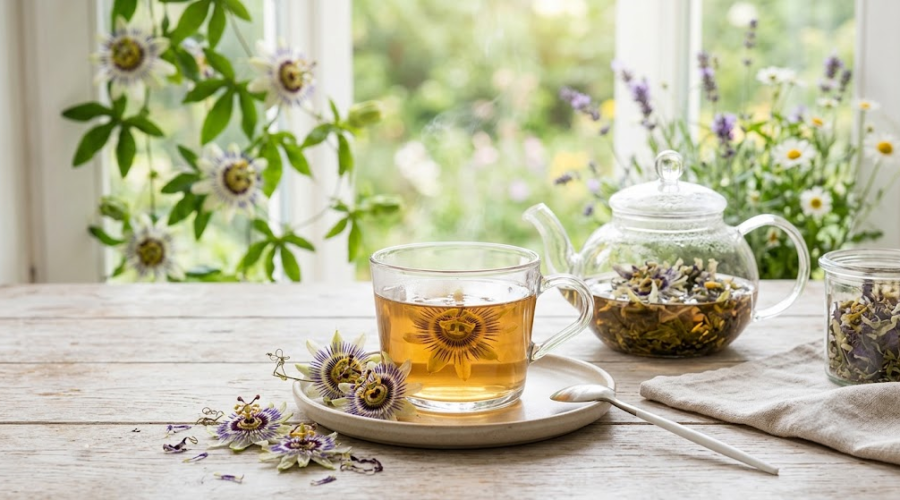
Foods That Help You Sleep Better at Night can naturally improve your sleep quality, help you fall asleep faster, and reduce restless nights. If you struggle with occasional insomnia or poor sleep, adding the right nutrients to your diet may support your body’s natural sleep cycle. In this guide, you’ll discover the best sleep-friendly foods, how they work, and simple ways to include them in your daily meals for deeper, more restful sleep.
What you eat in the hours before bed can have a surprisingly powerful effect on how quickly you fall asleep and how deeply you rest. While no single food acts like a sleeping pill, certain foods that help you sleep contain compounds — tryptophan, melatonin, magnesium, and others — that support the body’s natural sleep-regulating processes. Understanding which foods genuinely help, and how they work, can turn your evening routine into one more tool for better rest.
How Food Affects Your Sleep Quality
Several mechanisms connect what you eat to how well you sleep. Tryptophan, an amino acid found in many protein-rich foods, is a precursor your body uses to produce serotonin, which in turn gets converted into melatonin — the hormone that signals to your body that it’s time to wind down. Magnesium plays a calming role too, helping regulate the nervous system and supporting the body’s melatonin production process.
Carbohydrates also play a less obvious but meaningful role in this process. Eating carbohydrates alongside a tryptophan-containing food can actually help more tryptophan reach the brain, since carbohydrates trigger an insulin response that clears competing amino acids from the bloodstream, leaving a clearer path for tryptophan to cross into the brain and support serotonin production. This is part of why pairing something like oatmeal (a carbohydrate) with milk (a tryptophan source) may be more effective for sleep than eating either one alone.
Blood sugar stability matters as well. A large, heavy meal or a sugar-laden dessert too close to bedtime can cause blood sugar spikes and subsequent crashes that disrupt deep sleep stages later in the night. Timing is also worth paying attention to — eating a substantial meal within an hour or two of bed can interfere with the body’s ability to wind down, since active digestion competes with the physiological processes involved in falling and staying asleep. And it’s worth remembering that caffeine has a half-life of roughly five to seven hours, meaning a 4pm coffee can still have a measurable amount of caffeine in your system well past midnight.
10 Best Foods That Help You Sleep Better
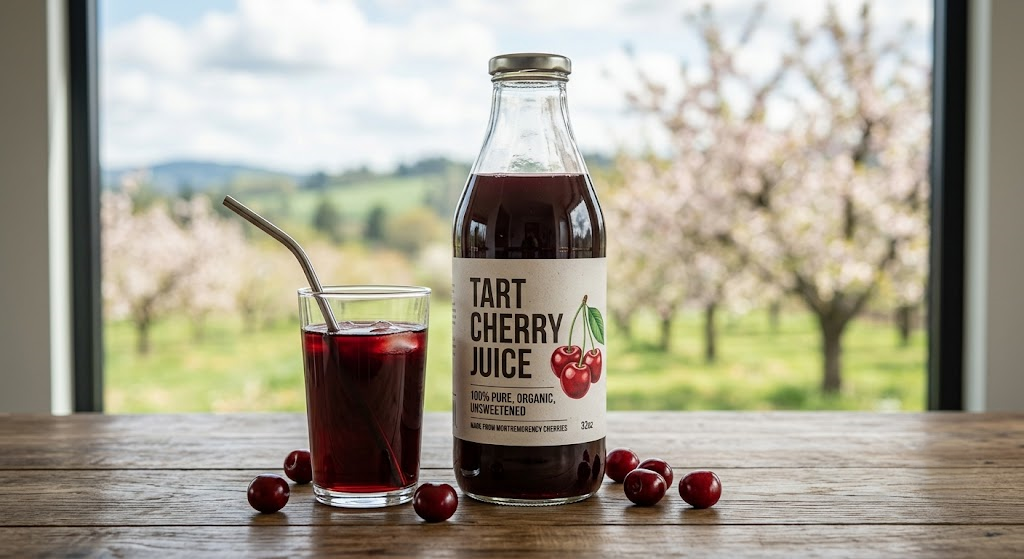
1. Tart Cherry Juice
Tart cherries, particularly the Montmorency variety, are one of the more researched natural sleep aids. They contain meaningful amounts of melatonin along with tryptophan, and small clinical studies have found that drinking tart cherry juice for several consecutive days can significantly raise melatonin levels and modestly increase total sleep time. One study involving older adults with persistent insomnia found improved sleep duration after drinking tart cherry juice regularly. Look for products with no added sugar, and consume a small glass roughly an hour before bed.
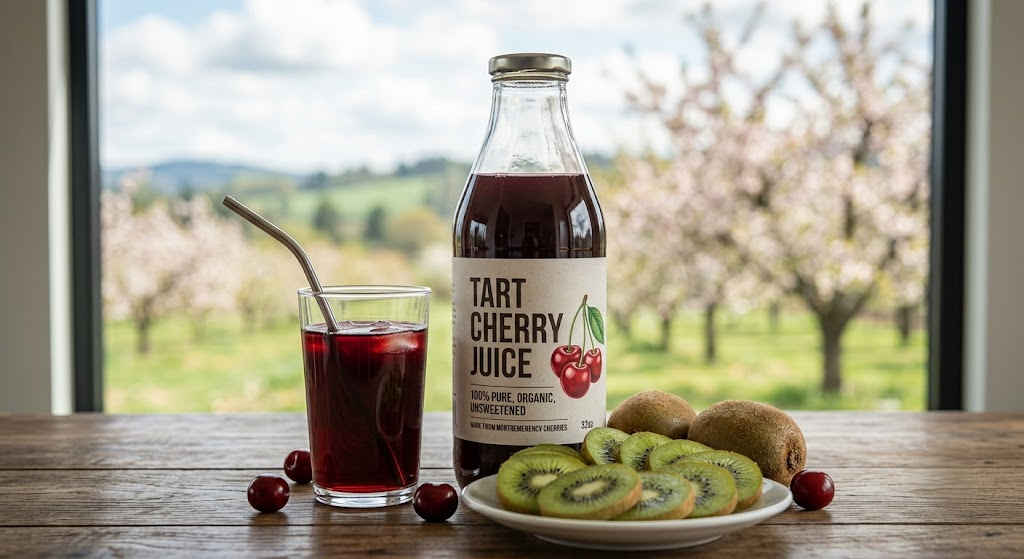
2. Kiwi
This unassuming fruit has gained genuine research attention for its sleep benefits. Kiwi contains serotonin, antioxidants, and folate, and a notable study found that eating two kiwis about an hour before bed improved both how quickly participants fell asleep and how long they stayed asleep. While more research is still needed to fully understand the mechanism, kiwi remains one of the more promising fruit-based options for a bedtime snack.
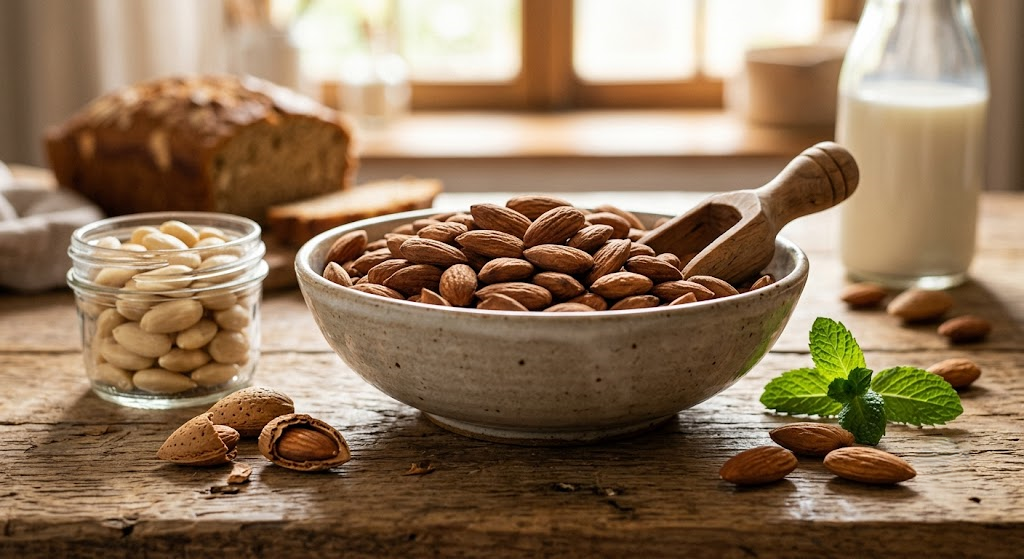
3. Almonds
Almonds combine magnesium with a modest amount of melatonin, making them a convenient evening snack. Magnesium plays a role in calming the nervous system and supporting healthy melatonin production, and a small handful of almonds is enough to provide a meaningful dose without being heavy enough to interfere with digestion before bed.
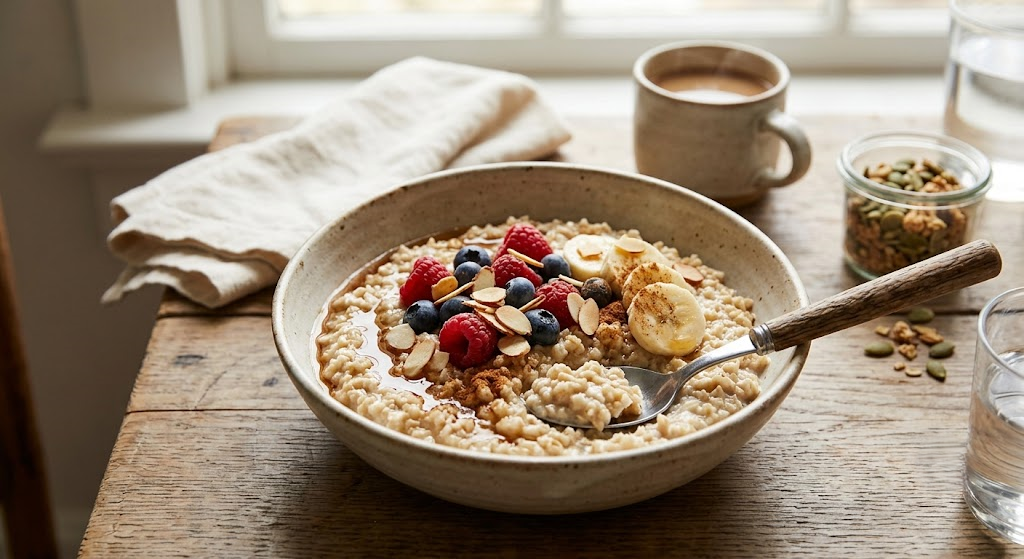
4. Oatmeal
Oats are naturally high in melatonin and also provide tryptophan, giving your body two complementary building blocks for the serotonin-to-melatonin pathway. A small bowl of oatmeal in the evening, prepared with milk for an added tryptophan boost, can also help prevent the kind of late-night hunger that disrupts sleep. Topping it with a few almond slices or tart cherries combines several sleep-supportive ingredients in one simple snack.
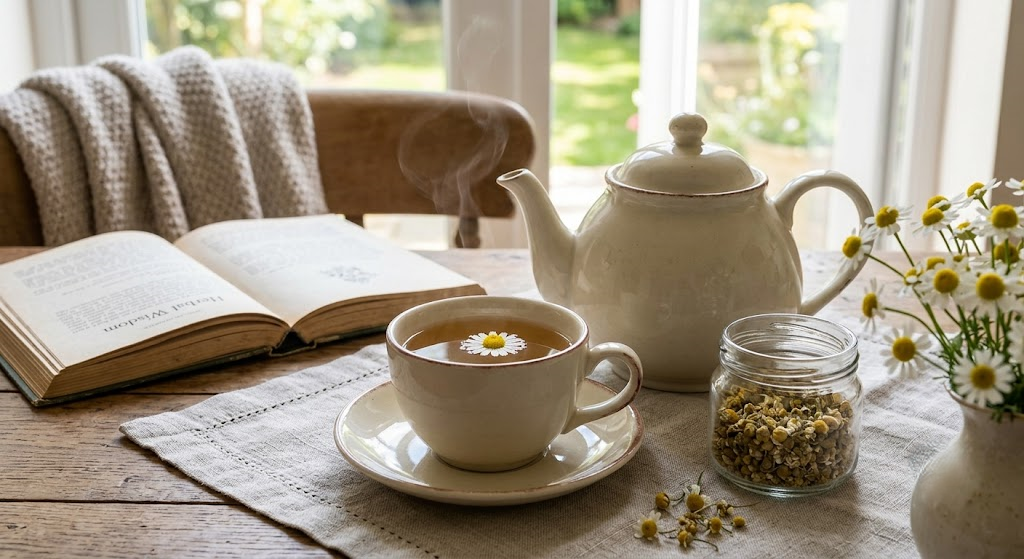
5. Chamomile Tea
Chamomile contains a compound called apigenin, which binds to certain receptors in the brain associated with calming and sedative effects. While research on chamomile’s sleep benefits is still developing, it has a long history of traditional use as a bedtime relaxant, and a warm, caffeine-free cup can also become a calming ritual in itself, separate from any direct chemical effect.
6. Turkey
Turkey’s reputation as a sleep-inducing food is rooted in its tryptophan content, though the post-Thanksgiving-dinner drowsiness most people associate with it likely has more to do with the sheer volume of food eaten than turkey specifically. Still, a light turkey sandwich as an evening snack provides a genuine source of tryptophan without the heaviness of a full holiday meal.

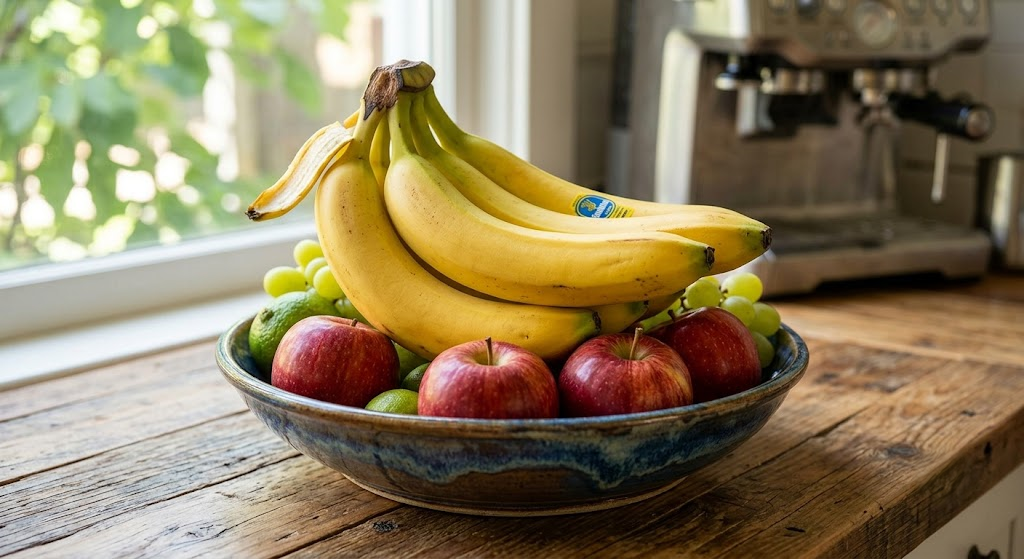
7. Bananas
Bananas offer a combination of magnesium and potassium, both of which support muscle relaxation, along with a modest amount of tryptophan. They’re easy to digest, require no preparation, and make a practical grab-and-go bedtime snack for anyone who doesn’t want to think too hard about their evening routine.
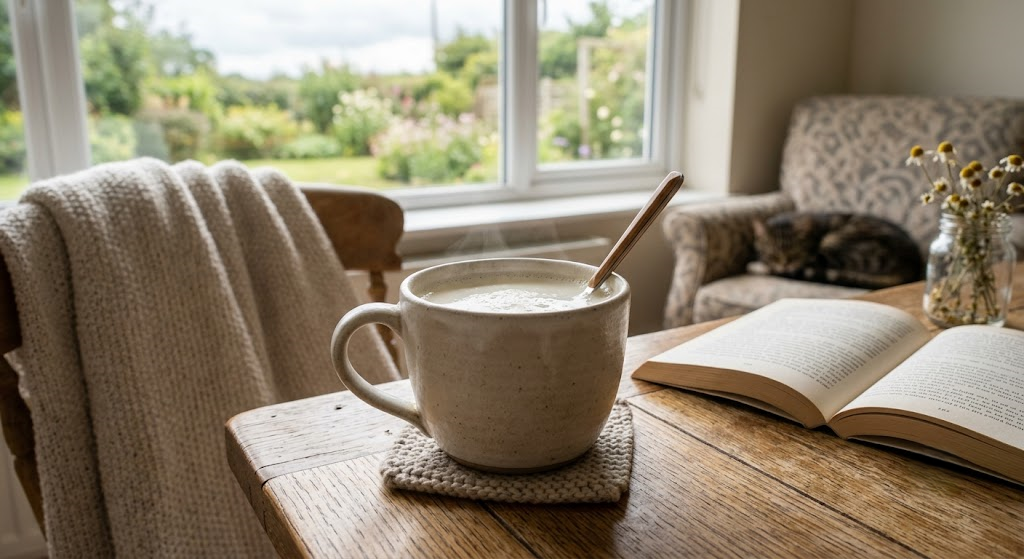
8. Warm Milk
The traditional remedy of warm milk before bed has some genuine science behind it. Milk contains both tryptophan and casein protein, and the warmth itself may have a mild relaxing effect. While milk alone isn’t likely to dramatically transform sleep quality, it’s a low-effort addition to an evening routine that pairs well with other foods on this list.
9. Walnuts
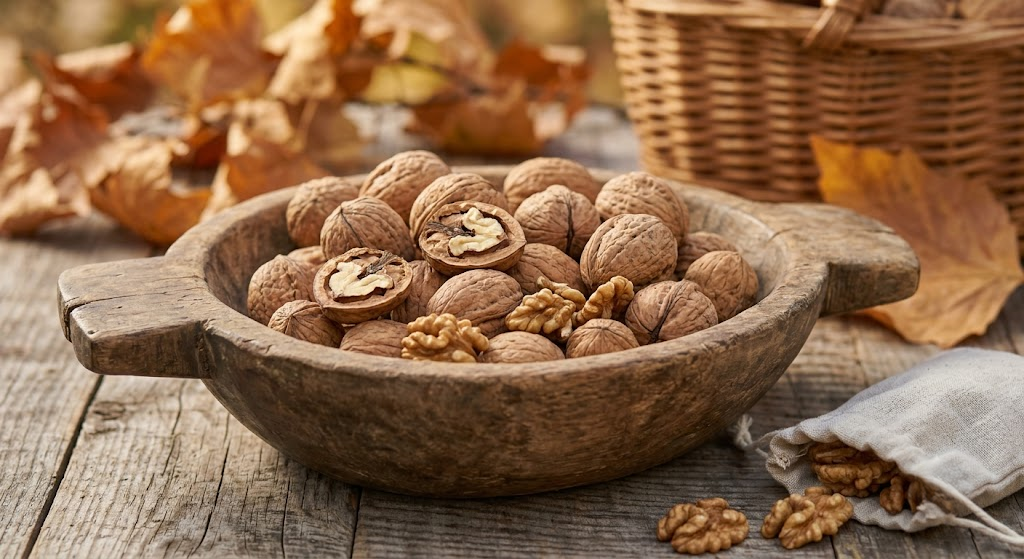
Walnuts contain melatonin along with omega-3 fatty acids in the form of alpha-linolenic acid (ALA), which may support the conversion of tryptophan into serotonin. A small handful eaten in the evening provides a reasonable dose of sleep-supportive nutrients alongside heart-healthy fats.
10. Passionflower Tea
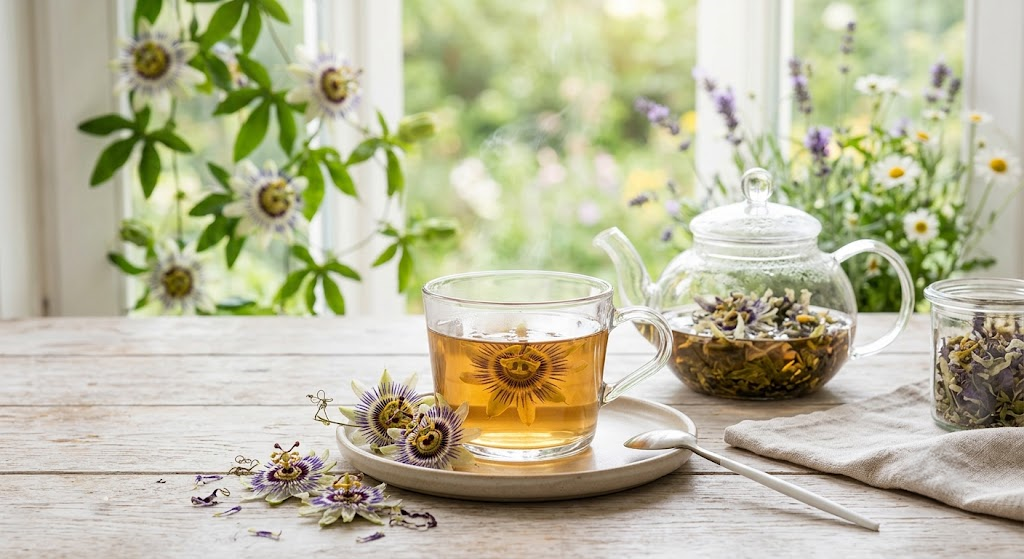
Passionflower has been studied for its potential to increase GABA activity in the brain, a neurotransmitter associated with relaxation and reduced anxiety. Some small studies have found mild sedative effects from passionflower tea, making it another caffeine-free option worth considering as part of a calming bedtime routine.
Foods and Drinks to Avoid Before Bed
Just as important as what to eat is what to avoid in the hours leading up to sleep. Caffeine is the most obvious culprit — given its five-to-seven-hour half-life, it’s worth cutting off caffeinated drinks by early-to-mid afternoon for most people, even if you don’t feel “wired” later in the day. Alcohol is a trickier case: it can make you feel sleepy initially, but it disrupts REM sleep later in the night, often leading to fragmented, lower-quality rest even after a full night in bed.
Spicy foods can raise core body temperature, which works against the natural drop in temperature your body needs to initiate sleep. Heavy, fatty meals take longer to digest, keeping the digestive system active when it should be winding down, which can translate into discomfort or disrupted sleep. And high-sugar foods close to bedtime risk a blood sugar crash in the middle of the night, which can actually wake you up several hours after falling asleep.
Best Bedtime Snack Combinations for Better Sleep
Combining foods from this list can amplify their individual effects. Tart cherry juice paired with a small handful of almonds brings together melatonin, tryptophan, and magnesium in one simple snack. A banana with a spoonful of peanut butter offers magnesium, potassium, and tryptophan together, with the fat and protein helping stabilize blood sugar overnight. Chamomile tea alongside a small bowl of oatmeal combines a calming herbal compound with a melatonin- and tryptophan-rich grain.
Warm milk with a touch of honey is a simple, classic option that’s easy to prepare even when you’re already winding down for the night. And two kiwis alongside a few walnuts brings together two of the more research-backed options on this list, offering serotonin, antioxidants, and a dose of melatonin in one light snack. None of these combinations need to be exact or elaborate — the goal is simply incorporating a few sleep-supportive ingredients into whatever light snack you’re already inclined to have.
It’s worth experimenting to find which combination actually works for you, since individual responses to these foods can vary meaningfully. Some people notice a clear difference within a few nights of trying tart cherry juice or kiwi consistently, while others find the effect more subtle and only apparent after a week or two of regular use. Keeping a simple sleep journal — noting what you ate in the evening and how you slept — can help you identify which foods make a genuine difference for your own body rather than relying solely on general research findings.
Timing Your Evening Meals for Better Sleep
Beyond which foods you choose, when you eat matters nearly as much. Finishing your last substantial meal two to three hours before bed gives your digestive system time to settle before you lie down, reducing the likelihood of discomfort, acid reflux, or disrupted sleep from active digestion. If you do get hungry closer to bedtime, a small, light snack — rather than a full meal — is generally the better choice, since it provides comfort and a few sleep-supportive nutrients without overloading your system right as you’re trying to wind down.
How Diet Fits Into Overall Sleep Hygiene
It’s worth being realistic about what food alone can accomplish. Diet is one piece of a much larger picture that includes consistent sleep and wake times, a cool and dark bedroom, limited screen exposure in the hour before bed, and regular physical activity during the day. Sleep researchers generally agree that focusing on overall healthy dietary patterns throughout the entire day tends to matter more for sleep quality than any single bedtime food, even one with research backing it specifically.
That said, the foods on this list aren’t mutually exclusive with good sleep hygiene — they work best as a complement to it rather than a replacement. Someone with an erratic bedtime, a bright bedroom, and late-night screen use is unlikely to see much benefit from a glass of tart cherry juice alone, while someone who already has solid sleep habits may find that the right bedtime snack provides a genuinely noticeable boost. Think of food as one lever among several, rather than the single solution to sleep difficulties.
Frequently Asked Questions
What food makes you sleepy the fastest?
Tart cherry juice and kiwi tend to show the most consistent results in research for promoting faster sleep onset, largely due to their combination of melatonin, serotonin, and antioxidant compounds, though individual responses can vary.
Does eating before bed ruin your sleep?
It depends on what and how much. A large, heavy, or sugary meal close to bedtime can disrupt sleep through digestion, blood sugar swings, or discomfort, while a small, light, sleep-supportive snack is generally fine and may even help.
What is the best drink before bed for sleep?
Tart cherry juice (without added sugar), warm milk, and chamomile or passionflower tea are among the most commonly recommended sleep-supportive drinks, each working through slightly different mechanisms involving melatonin, tryptophan, or calming compounds.
Can magnesium help me sleep better?
Magnesium plays a role in regulating the nervous system and supporting melatonin production, and foods rich in magnesium, like almonds and bananas, may modestly support sleep quality, particularly for people with suboptimal magnesium intake.
Why do I wake up at 3am every night?
Waking consistently in the early morning hours can have several causes, including blood sugar crashes from a high-sugar evening meal, alcohol consumption disrupting later sleep stages, or stress-related cortisol fluctuations. If this happens regularly, it’s worth discussing with a doctor, especially if it persists despite dietary changes.
Conclusion
The foods on this list won’t replace good sleep hygiene — a consistent bedtime, a dark and cool room, and limited screen time still matter enormously — but they can meaningfully support your body’s natural sleep processes when used thoughtfully. Tart cherry juice and kiwi have the most direct research backing, while options like almonds, oatmeal, and chamomile tea offer gentle, low-effort additions to an evening routine. Building a simple, repeatable evening ritual around one or two of these foods, paired with consistent sleep and wake times, tends to produce better long-term results than experimenting with a new “miracle” sleep food every few weeks. This article is for informational purposes only and isn’t a substitute for medical advice; if you’re dealing with chronic insomnia or persistent sleep problems, talk with a doctor to address the underlying cause.

Leave a Comment