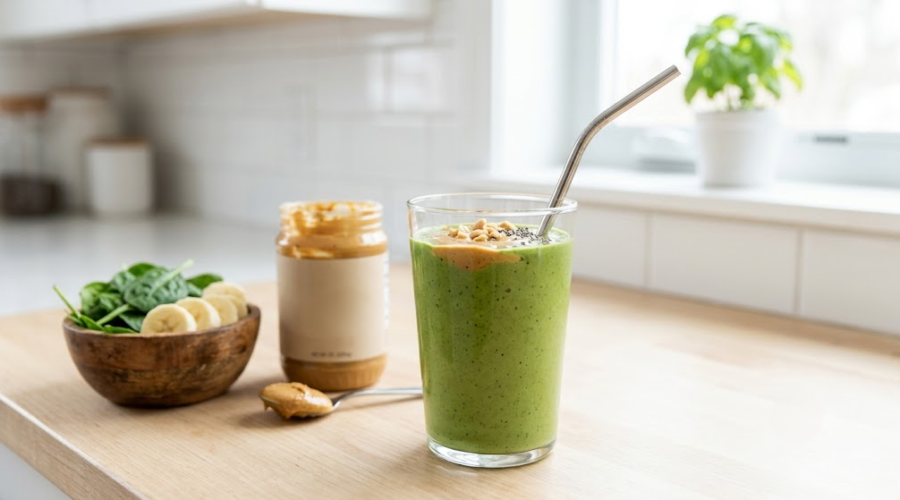
Healthy Green Smoothie Recipes for Weight Loss are one of the easiest and healthiest ways to support your weight loss journey. Packed with leafy greens, fresh fruits, fiber, vitamins, and antioxidants, these nutritious smoothies help keep you full, boost your metabolism, and provide lasting energy throughout the day. Whether you’re replacing breakfast, enjoying a post-workout drink, or looking for a healthy snack, these delicious green smoothie recipes can help you achieve your weight loss goals naturally.
Green smoothies might look intimidating — a glass full of blended spinach or kale isn’t everyone’s idea of appetizing — but they’re one of the easiest ways to pack nutrients into your day and support your weight loss goals without feeling deprived. Done right, a green smoothie can deliver a satisfying combination of fiber, protein, and healthy fats that keeps you full for hours, all while sneaking in a serving or two of vegetables most people struggle to eat enough of anyway.
The appeal goes beyond just nutrition content. A green smoothie takes less than ten minutes to make from start to finish, requires no cooking, and can be customized endlessly based on what you have on hand or what flavors you’re in the mood for. For people who struggle to eat enough vegetables during a busy day, blending them into a drink alongside fruit is often a far more realistic habit to sustain than trying to force down a salad first thing in the morning.
Why Green Smoothies Help With Weight Loss
The weight loss case for green smoothies comes down to a few overlapping factors. Leafy greens like spinach and kale are extremely low in calories but high in volume and fiber, meaning you can drink a large, satisfying glass without much calorie cost. That fiber slows digestion and supports the feeling of fullness, which research has consistently linked to better appetite control and, over time, easier weight management.
Adding a protein source — Greek yogurt, protein powder, or nut butter — further boosts satiety, since protein is widely recognized as the most filling macronutrient. A well-built green smoothie also naturally displaces less healthy breakfast or snack options, replacing a pastry or sugary cereal with something nutrient-dense instead. That said, smoothies work best as a complement to a balanced diet rather than a replacement for all meals — a green smoothie made entirely from fruit and juice, without protein or fat, can spike blood sugar just as easily as any other sugary drink.
7 Healthy Green Smoothie Recipes for Weight Loss
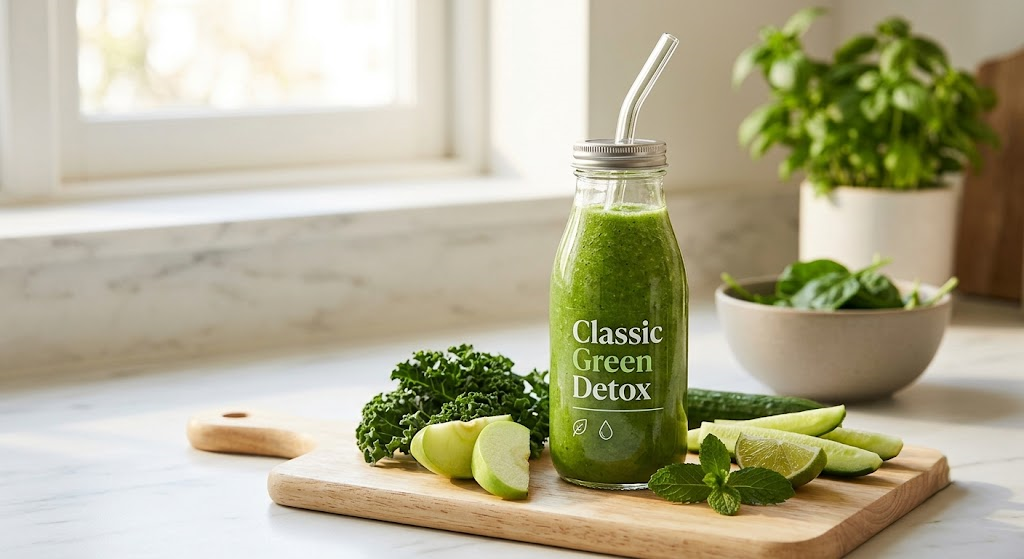
1. Classic Green Detox
Ingredients: 2 cups spinach, 1/2 cucumber, 1 green apple, juice of 1/2 lemon, 1/2-inch piece fresh ginger, 1 cup water.
Calories: approximately 150.
Blend all ingredients until smooth. This is the lightest option on the list — hydrating, refreshing, and a great starting point if you’re new to green smoothies and want something that doesn’t taste overly “green.”
2. Tropical Green
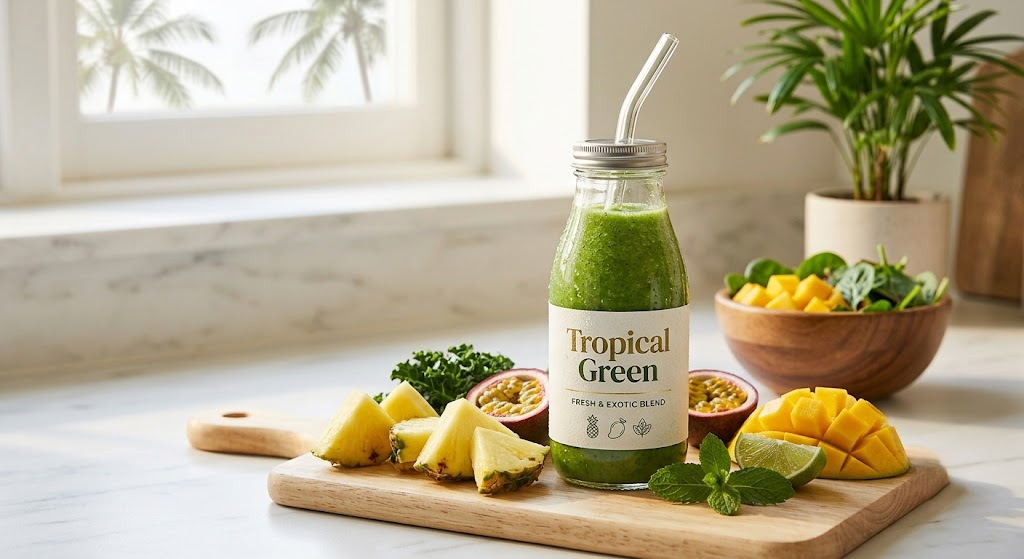
Ingredients: 2 cups spinach, 1 cup frozen mango, 1/2 cup frozen pineapple, 1 cup coconut water.
Calories: approximately 180.
Blend until smooth and creamy. The tropical fruit does a great job masking the taste of spinach, making this a good option for beginners or anyone who finds straight greens too bitter.
3. Protein Power Green
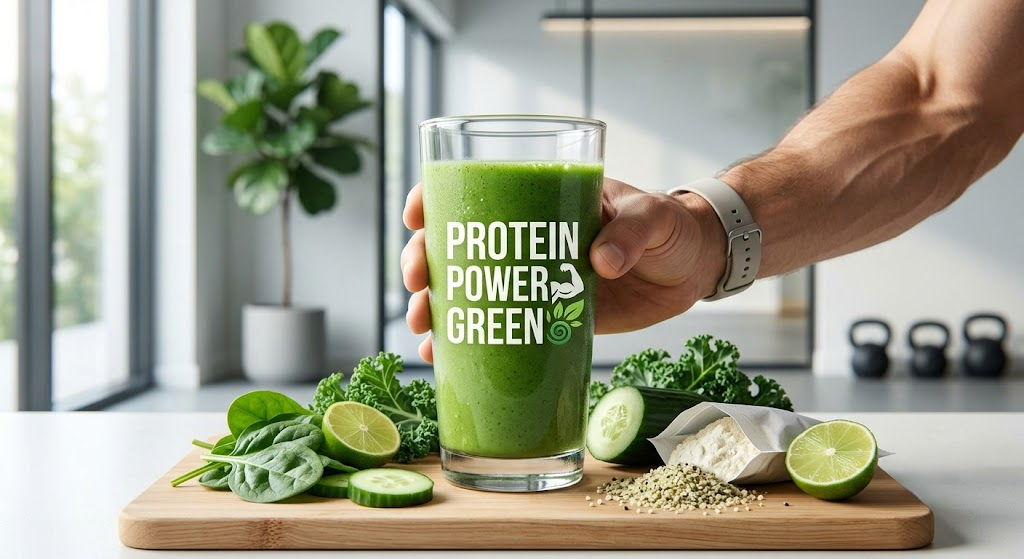
Ingredients: 2 cups kale (stems removed), 1 banana, 1 scoop protein powder, 1 cup unsweetened almond milk.
Calories: approximately 280, 25g protein.
Blend until smooth, adding more almond milk if needed for consistency. With a solid 25 grams of protein, this version works well as a post-workout recovery drink or a meal replacement that will actually keep you full until lunch.
4. Berry Green
Ingredients: 2 cups spinach, 1 cup frozen blueberries, 1/2 banana, 1 cup unsweetened almond milk.
Calories: approximately 200.
Blend until smooth. Blueberries are rich in antioxidants and add natural sweetness without much added sugar, making this a good balance between flavor and nutrition.
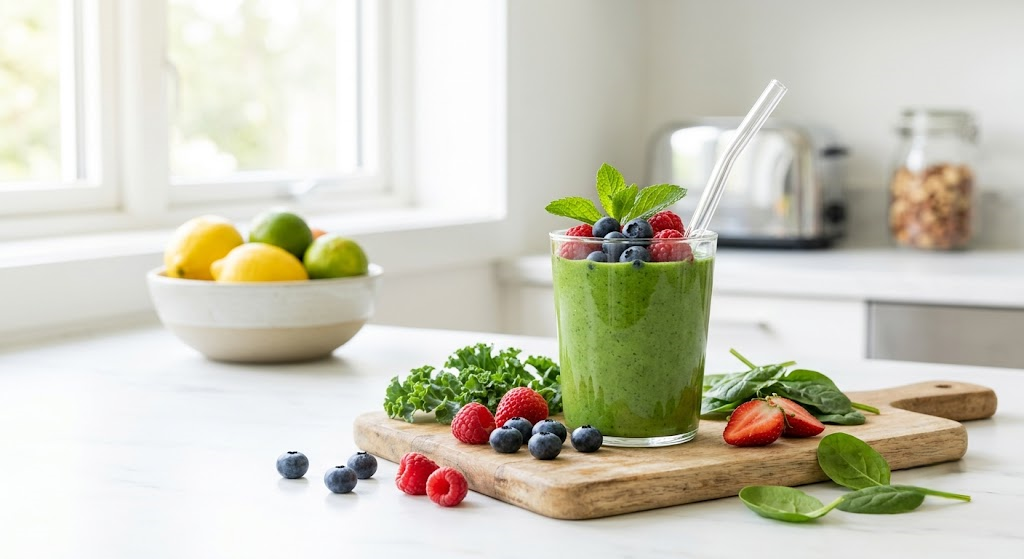
5. Avocado Green
Ingredients: 2 cups spinach, 1/2 avocado, 1/2 banana, 1 cup unsweetened almond milk.
Calories: approximately 250.
Blend until creamy. The avocado adds heart-healthy monounsaturated fats and a noticeably creamier texture, plus it significantly boosts satiety — this version tends to keep people full the longest of anything on this list.
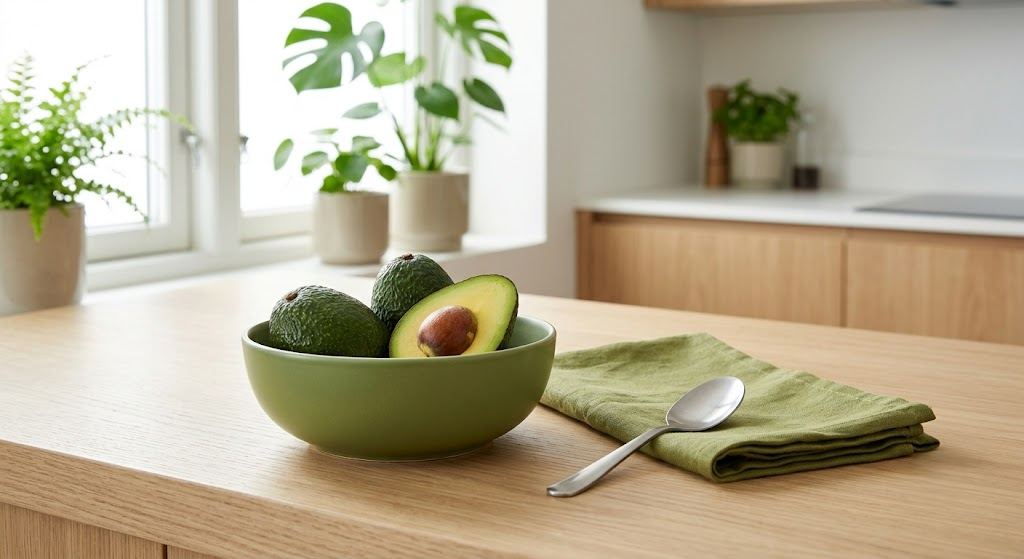
6. Cucumber Mint Cooler
Ingredients: 1 cucumber, 1 cup spinach, a handful of fresh mint, juice of 1 lime, 1 cup cold water.
Calories: approximately 80.
Blend until smooth. This is the lowest-calorie option on the list, great as a refreshing afternoon drink rather than a meal replacement, since it doesn’t include much in the way of protein or fat.
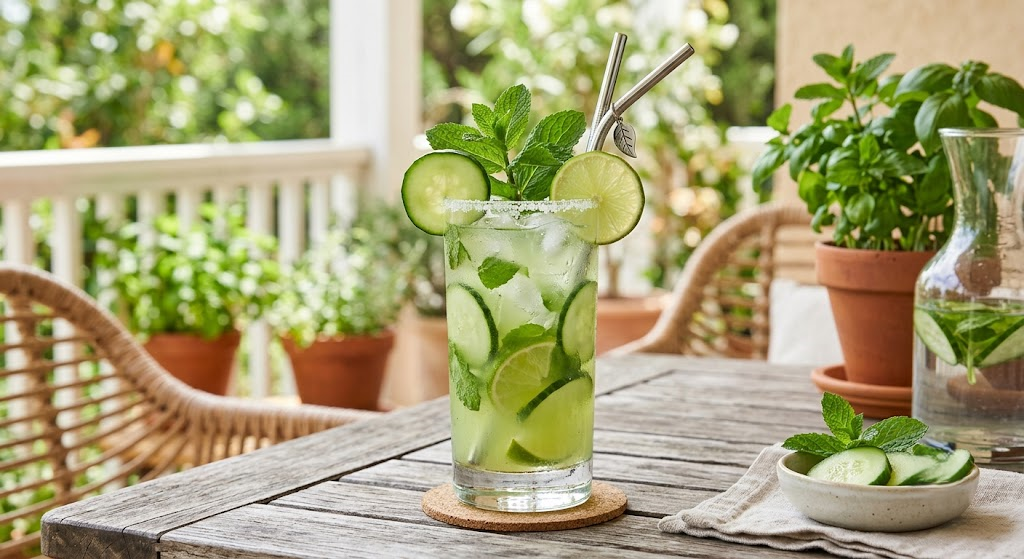
7. Peanut Butter Green
Ingredients: 2 cups spinach, 1 banana, 1 tablespoon peanut butter, 1 cup oat milk.
Calories: approximately 300, 12g protein.
Blend until smooth and creamy. The combination of banana and peanut butter makes this the most dessert-like option, and the protein and healthy fat content make it filling enough to genuinely substitute for breakfast.
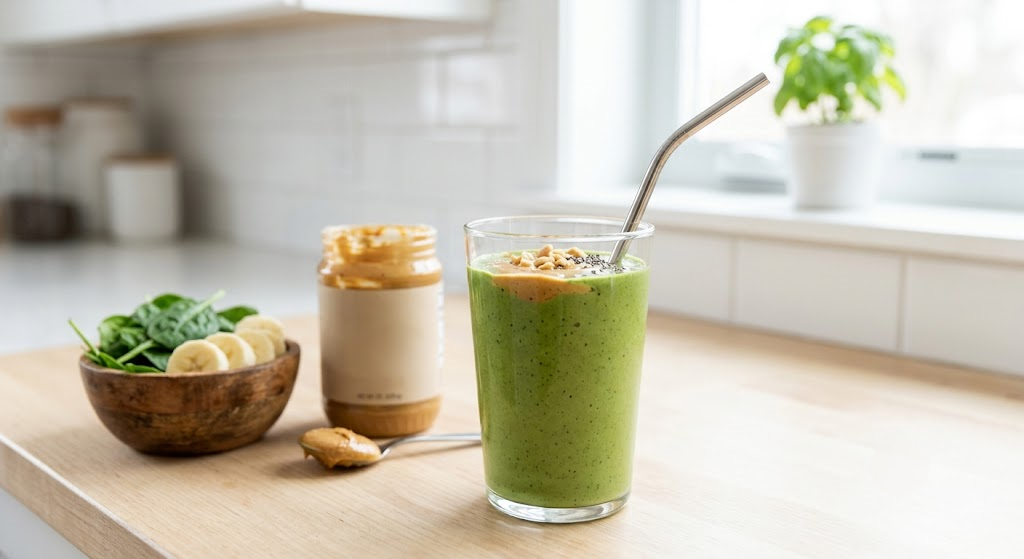
Tips for Making the Perfect Weight Loss Green Smoothie
A few simple principles separate a smoothie that actually supports weight loss from one that’s effectively a milkshake in disguise. Always add a protein source — Greek yogurt, protein powder, or a nut butter — since fruit and greens alone won’t keep you full for long. Use water or an unsweetened plant milk as your base liquid rather than fruit juice, which adds a significant amount of sugar and calories without the fiber that whole fruit provides.
Adding the greens to the blender first, before the liquid, tends to make blending easier and produces a smoother texture, particularly with tougher greens like kale. If you want to make this a regular habit, batch-prepping frozen ingredient packs — pre-portioned spinach, fruit, and add-ins stored in freezer bags — can save significant time on busy mornings. Finally, keep fruit to roughly one to two cups per smoothie; more than that and you risk turning what should be a balanced meal into a sugar-heavy drink, even with “healthy” whole fruit.
Best Greens to Use in Weight Loss Smoothies
Spinach is the most beginner-friendly green, with a mild flavor that blends in easily and disappears behind fruit, along with a solid iron content. Kale has a stronger, more bitter flavor but packs in slightly more nutrients per cup — it works best paired with sweeter fruits like mango or banana to balance the taste. Romaine lettuce is lighter and more watery, making it a good option if you want volume without much flavor impact at all.
Swiss chard offers a mild, slightly sweet flavor that’s an easy middle ground between spinach and kale. And while cucumber isn’t technically a leafy green, it’s worth including in this category for its exceptional ability to add volume and hydration to a smoothie with almost no calories, making it a great base ingredient for lighter, more refreshing recipes. It’s worth noting that leafy greens like spinach and kale are relatively high in oxalates, so if you have a history of kidney stones, it’s worth discussing appropriate intake with your doctor.
Building a Smoothie That Actually Keeps You Full
The difference between a smoothie that holds you over until lunch and one that leaves you hungry an hour later usually comes down to macronutrient balance. A useful target to aim for is roughly 15-20 grams of protein, some healthy fat (from avocado, nut butter, or seeds), and at least 5-8 grams of fiber per serving. Chia seeds or ground flaxseed are an easy way to boost both fiber and healthy fat without significantly changing the flavor, and they’re worth keeping on hand if you make smoothies regularly.
Storing and Meal Prepping Green Smoothies
If mornings are tight on time, smoothies can be prepped well in advance with a bit of planning. Pre-portioning ingredients into freezer bags — spinach or kale, chopped fruit, and any add-ins like chia seeds — means all you have to do each morning is dump the bag into a blender with your liquid of choice. This works particularly well for fruit, which holds up better frozen than fresh leafy greens do over several days, though frozen spinach and kale are widely available and blend just as easily as fresh.
If you’d rather blend a larger batch and store the finished smoothie, glass jars filled close to the top (to minimize air exposure) and refrigerated will generally stay good for about 24 hours before the texture and flavor start to noticeably decline, largely due to oxidation. Smoothies don’t freeze particularly well once blended, since the texture tends to separate and become grainy upon thawing, so freezing the raw ingredients ahead of time rather than the finished drink is usually the better approach for longer-term storage.
Can a Green Smoothie Replace a Meal?
Whether a green smoothie can stand in for a full meal depends entirely on how it’s built. A smoothie made only from fruit and leafy greens, however nutritious it sounds, often lacks the protein and fat needed to function as a satisfying, balanced meal — you may find yourself hungry again within an hour or two, which can lead to overeating later in the day. For a smoothie to genuinely replace breakfast or lunch, it needs all three macronutrient categories represented: carbohydrates from fruit, protein from yogurt or powder, and fat from avocado, nuts, or seeds.
It’s also worth considering what a smoothie can’t replace nutritionally. Whole vegetables and fruits retain more of their fiber structure than blended versions, and chewing itself plays a role in satiety signaling that drinking a smoothie bypasses. This doesn’t mean smoothies are a poor choice — they’re a genuinely convenient and nutrient-dense option — but they work best as one part of a varied diet that still includes whole, unblended foods throughout the day rather than as a complete substitute for every meal.
Common Mistakes That Sabotage Weight Loss Smoothies
A few common missteps can quietly turn a healthy-sounding smoothie into a calorie bomb. Overloading on fruit is the most frequent culprit — it’s easy to toss in two bananas, a cup of mango, and a handful of dates without realizing the sugar content has crept well past what a typical breakfast would contain. Using fruit juice instead of water or unsweetened milk as the base liquid is another quiet source of extra sugar and calories, since juice strips away the fiber that would otherwise slow sugar absorption.
Skipping protein and fat altogether is perhaps the biggest mistake from a weight-loss perspective, since a fruit-and-greens-only smoothie digests quickly and won’t keep hunger at bay for long, even if it feels virtuous in the moment. And finally, treating smoothies as a free pass to add unlimited toppings or mix-ins — granola, honey, extra nut butter — can add up calories quickly without much added nutritional benefit. None of these are reasons to avoid smoothies; they’re simply worth being mindful of if weight management is genuinely the goal.
Frequently Asked Questions
Do green smoothies really help you lose weight?
Green smoothies can support weight loss when they’re built with fiber, protein, and healthy fat, since this combination supports satiety and tends to displace less healthy food choices. They work best as part of an overall balanced diet rather than a standalone weight loss strategy.
What should I add to a green smoothie for protein?
Greek yogurt, protein powder, nut butter, and silken tofu are all effective ways to boost protein content. Aim for roughly 15-20 grams of protein per smoothie if you want it to function as a meal replacement rather than just a snack.
Can I drink a green smoothie every day?
For most healthy adults, a daily green smoothie is fine as part of a varied diet, though it shouldn’t replace whole-food meals entirely. People with a history of kidney stones should talk to their doctor about appropriate intake of oxalate-rich greens like spinach and kale.
Why does my green smoothie taste bitter?
Bitterness usually comes from using too much kale or too little fruit to balance the flavor. Try reducing the amount of greens, switching to milder spinach, or adding a sweeter fruit like banana, mango, or pineapple to mask the bitter notes.
Is it better to have a green smoothie for breakfast or lunch?
Either works well, depending on your schedule and preferences. A protein-rich version makes a great breakfast that’s quick to prepare on busy mornings, while a lighter version can work as a refreshing afternoon snack between meals.
Conclusion
Green smoothies earn their reputation as a weight-loss-friendly habit when they’re built thoughtfully — with enough protein and fiber to actually keep you full, rather than just blended fruit dressed up with a handful of spinach. Whether you start with the beginner-friendly Tropical Green or go straight for the more filling Peanut Butter Green, the key is consistency: a smoothie you’ll actually want to make again tomorrow beats a perfect recipe you only try once. Experiment with the seven recipes above, adjust the sweetness or thickness to your taste, and don’t be afraid to swap in whatever fruits or greens you already have on hand — the format is forgiving, and small variations rarely make much difference to the overall nutritional value. This article is for informational purposes only and isn’t a substitute for medical advice; talk with your doctor before making significant changes to your diet, especially if you have any underlying health conditions.
Leave a Comment