DIY Hair Masks for Dry and Damaged Hair
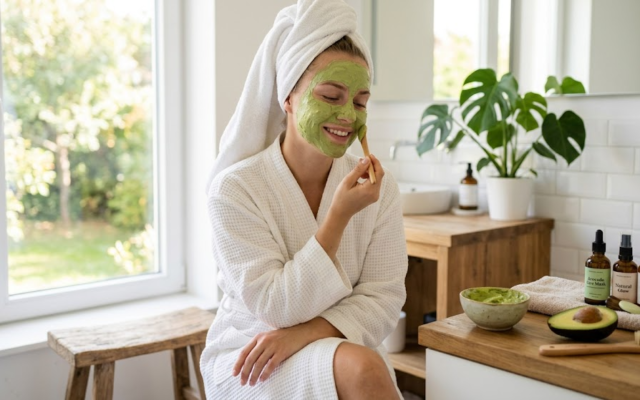
Aloe Vera + Tea Tree Oil Mask is a natural skincare remedy that has become popular for helping reduce acne, control excess oil, soothe irritated skin, and promote a clearer complexion. Aloe vera provides cooling hydration, while tea tree oil is known for its antibacterial and anti-inflammatory properties. When used correctly, this simple DIY face mask can be an effective addition to your skincare routine for healthier-looking skin.
Dry, frizzy, damaged hair is no match for a good DIY hair mask — and you probably have everything you need in your kitchen right now. These DIY hair masks for dry and damaged hair use simple, affordable ingredients to deliver the moisture, protein, and nourishment that heat styling, color treatments, and harsh weather strip away. No expensive salon trip required — just a little time and a few pantry staples standing between you and noticeably softer, healthier-looking hair.
Why DIY Hair Masks Work
Natural ingredients address hair damage through several distinct mechanisms working together. Oils like coconut and olive oil are small enough to penetrate the hair shaft, reducing protein loss from within rather than just coating the surface. Ingredients like egg and yogurt contain proteins that temporarily fill in gaps in a damaged cuticle, smoothing texture. Humectants like honey draw moisture from the air into the hair shaft, while oils act as occlusives, sealing that moisture in. Together, this combination repairs and protects without the harsh sulfates and silicones found in many commercial products.
7 Best DIY Hair Masks for Dry and Damaged Hair
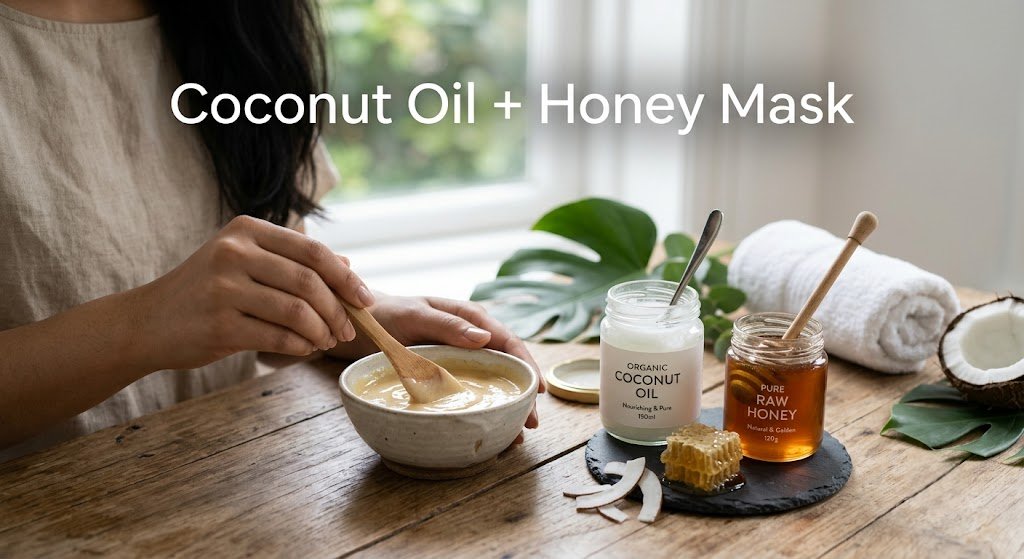
1. Coconut Oil + Honey Mask
Best for: All hair types, especially severely dry hair
Ingredients:
- 3 tbsp coconut oil (melted)
- 2 tbsp raw honey
How to make it: Warm the coconut oil until liquid, stir in honey until fully combined. Apply generously from mid-lengths to ends, focusing extra product on the driest sections. Leave on for 30 minutes under a shower cap, then shampoo out thoroughly (coconut oil can take two washes to fully remove).
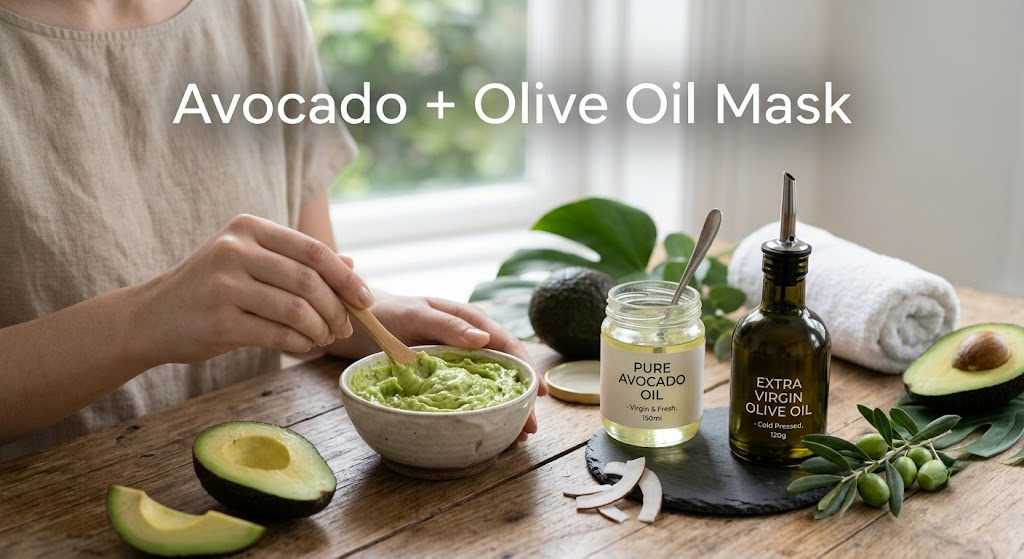
2. Avocado + Olive Oil Mask
Best for: Frizzy, dry, or sun-damaged hair
Ingredients:
- 1 ripe avocado, mashed smooth
- 2 tbsp olive oil
How to make it: Mash the avocado until completely lump-free, then blend in the olive oil. The high oleic acid content in both ingredients deeply nourishes the hair shaft and helps tame frizz. Apply from roots to ends (avocado is gentle enough for the scalp), leave for 20–25 minutes, then rinse and shampoo as usual.
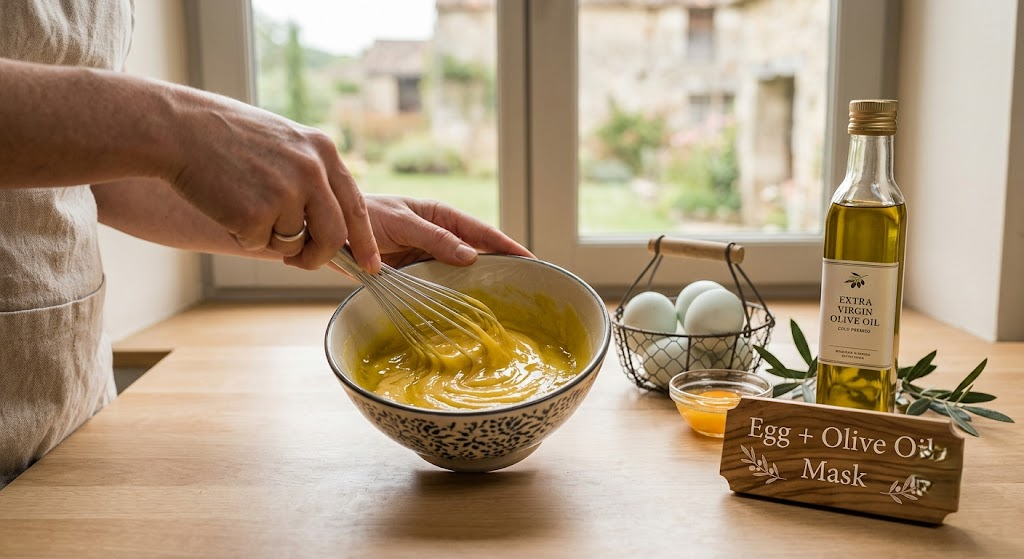
3. Egg + Olive Oil Mask
Best for: Heat-damaged or chemically treated hair needing protein repair
Ingredients:
- 1 whole egg, beaten
- 1 tbsp olive oil
How to make it: Whisk the egg thoroughly, then blend in the olive oil. Apply to damp (not wet) hair from mid-lengths to ends, avoiding excessive heat exposure afterward (hot water can “cook” the egg in your hair). Leave for 20 minutes, then rinse with cool to lukewarm water before shampooing — this is essential to prevent scrambled egg residue.
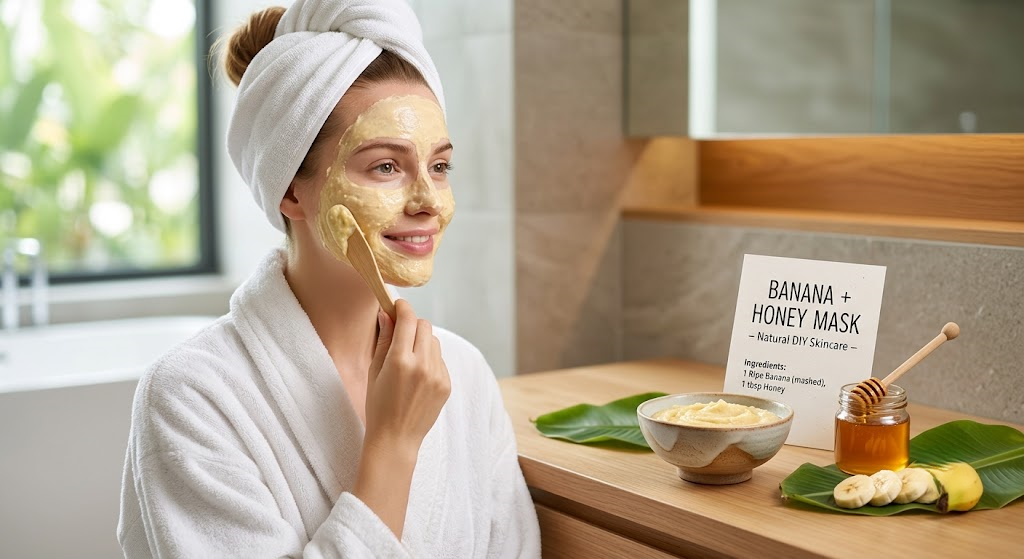
4. Banana + Honey Mask
Best for: Dry, brittle hair needing a gentle moisture boost
Ingredients:
- 1 ripe banana, mashed smooth
- 2 tbsp honey
How to make it: Mash the banana until completely smooth (small lumps are difficult to rinse out), then mix in honey. The potassium and natural oils in banana soften the hair shaft while honey locks in moisture. Apply from mid-lengths to ends, leave for 20 minutes, then rinse thoroughly with cool water — a fine-tooth comb under running water helps remove any remaining banana residue.
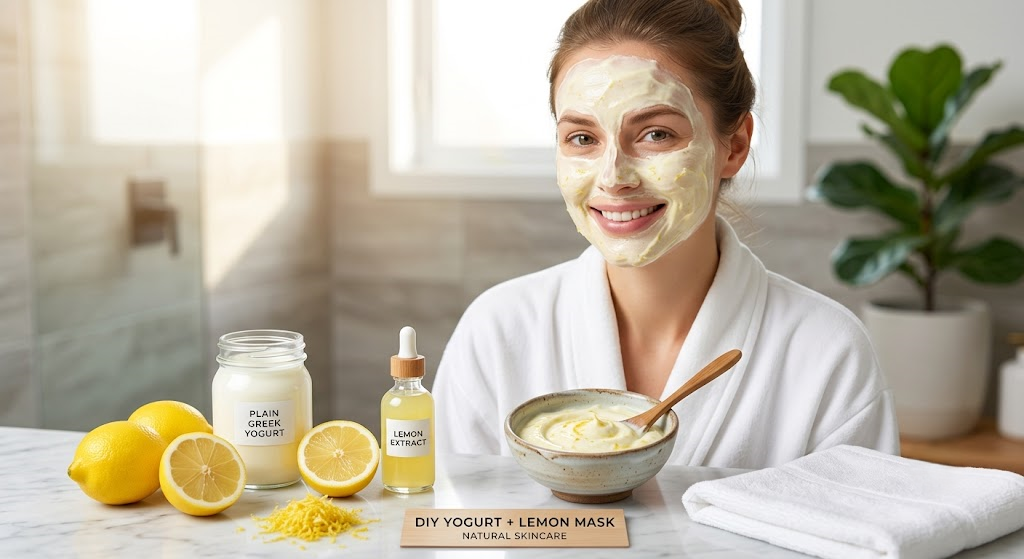
5. Yogurt + Lemon Mask
Best for: Oily scalp with dry ends — balances both
Ingredients:
- ½ cup plain Greek yogurt
- 1 tbsp fresh lemon juice
How to make it: Stir lemon juice into yogurt until well combined. Apply to the scalp and roots first (the lactic acid gently clarifies excess oil), then work through to the ends. Leave for 15–20 minutes — lemon juice shouldn’t sit much longer, as it can be drying with extended contact. Rinse thoroughly and follow with conditioner on the ends.
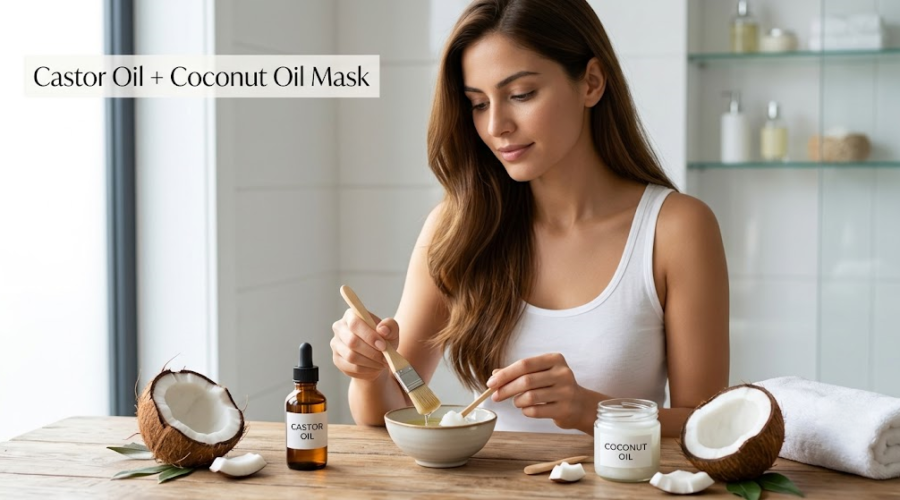
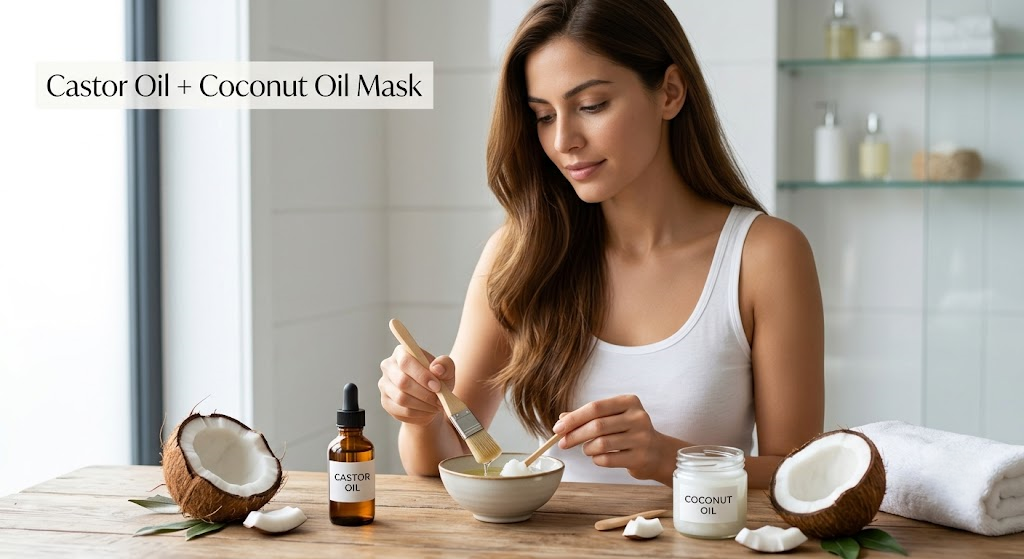
6. Castor Oil + Coconut Oil Mask
Best for: Split ends and hair that needs extra sealing and growth support
Ingredients:
- 2 tbsp castor oil
- 2 tbsp coconut oil
How to make it: Combine both oils and warm slightly between your palms or in a double boiler for easier application. This thick, rich combination is ideal for focused application on split ends and particularly damaged sections rather than the whole head. Leave on for 30–45 minutes (castor oil benefits from longer contact time), then shampoo thoroughly — this combination requires more rinsing than lighter masks.
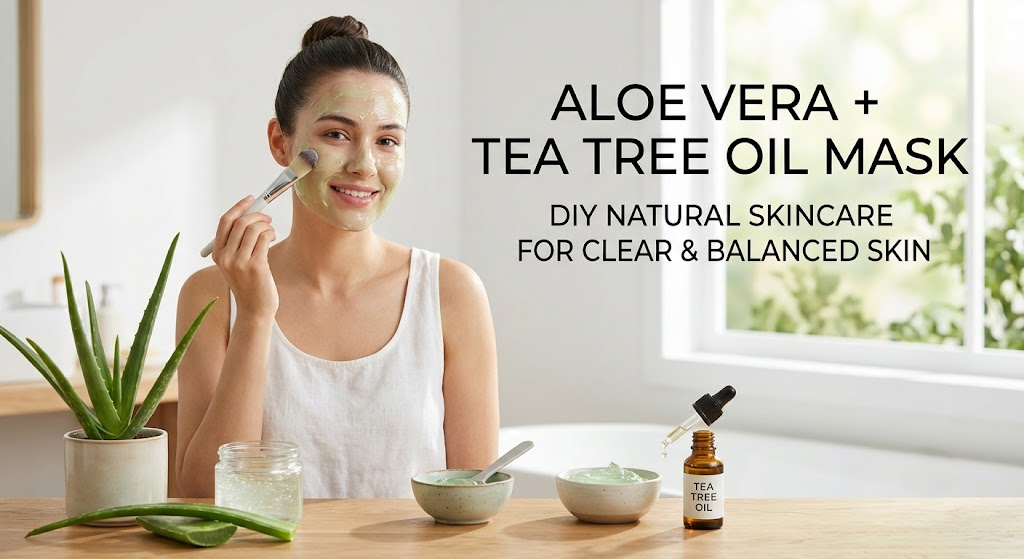
7. Aloe Vera + Tea Tree Oil Mask
Best for: Itchy, flaky, or irritated scalp alongside dry hair
Ingredients:
- 4 tbsp pure aloe vera gel
- 3–4 drops tea tree essential oil
How to make it: Stir tea tree oil thoroughly into the aloe vera gel. Apply directly to the scalp with your fingertips, massaging gently, then work any remaining product through the lengths. Tea tree oil has natural antimicrobial properties that may help soothe an irritated scalp, while aloe calms inflammation. Leave for 20 minutes, then rinse and shampoo as normal.
How to Apply a Hair Mask Properly
Getting the technique right makes a real difference in results:
- Shampoo your hair first. Masks work best on clean hair, free of product buildup that would block absorption.
- Towel-dry gently. Hair should be damp, not soaking wet — excess water dilutes the mask and reduces its effectiveness.
- Apply from mid-lengths to ends for most masks (unless it’s specifically a scalp treatment) — this is where damage concentrates, and the scalp’s natural oils already provide some protection at the roots.
- Cover with a shower cap and leave for 20–30 minutes. The cap traps heat from your scalp, which helps the mask penetrate more effectively than leaving hair uncovered.
- Rinse thoroughly with cool water, then follow with conditioner if the mask doesn’t already leave hair feeling sufficiently smooth. Cool water also helps seal the hair cuticle for added shine.
How Often Should You Use a Hair Mask?
Frequency depends on your hair’s needs:
- Dry or damaged hair: 1–2 times per week for noticeable improvement
- Normal hair: Once a week is sufficient for maintenance
- Oily hair: Once every two weeks, focusing masks on the ends rather than the scalp
- Protein masks specifically (egg-based): No more than once per week — overusing protein treatments can lead to protein overload, making hair feel stiff and brittle rather than soft
Rotate between moisture-focused masks (coconut oil, avocado, banana) and protein masks (egg) based on what your hair needs that week — overly dry, limp hair usually needs moisture; overly soft, weak, or stretchy hair usually needs protein.
Frequently Asked Questions
Can I leave a DIY hair mask on overnight? For oil-based masks like coconut oil or castor oil, yes — many people sleep with these in (using an old pillowcase or a silk cap to protect bedding) for deeper overnight penetration. However, egg-based and yogurt-based masks should not be left on overnight, as the protein and dairy components can develop an odor and aren’t formulated for extended wear. Stick to the recommended 20–45 minute window for those.
Which hair mask is best for damaged hair? For heat or chemical damage specifically, the egg and olive oil mask offers the most targeted protein repair, since damaged hair has gaps in its protein structure that egg proteins can temporarily fill. For overall dryness alongside damage, the avocado and olive oil mask provides deep nourishment with gentler, more frequent-use-friendly ingredients. Many people find alternating between a protein mask one week and a moisture mask the next produces the most balanced, lasting improvement.
Do egg hair masks really work? Yes, to a meaningful degree. Egg yolks are rich in fatty acids and proteins that coat and temporarily smooth the hair cuticle, while egg whites contain proteins that adhere to damaged areas of the hair shaft. The effect is temporary (washing away over subsequent shampoos) rather than permanently structural, but consistent weekly use provides a cumulative smoothing and strengthening effect that many people find genuinely noticeable, particularly on color-treated or heat-damaged hair.
Will coconut oil make my hair greasy? It can, if too much is used or it isn’t rinsed thoroughly. Coconut oil is dense and can leave a heavy residue, especially on fine hair, if applied too close to the roots or left unrinsed. To avoid this: apply primarily from mid-lengths to ends rather than at the roots, use a moderate amount rather than oversaturating, and shampoo twice if needed to fully remove the oil. Fine-haired individuals may find lighter oils (like argan or jojoba) work better for regular use, reserving coconut oil for more occasional deep treatments.
How long before I see results from hair masks? Many people notice an immediate difference in softness and manageability right after rinsing — that’s the surface-level moisture and smoothing effect. More significant improvements in texture, frizz reduction, and overall hair health typically build over 3–4 weeks of consistent weekly use, as the cumulative nourishment improves the hair’s condition over multiple growth and styling cycles. Hair masks work best as an ongoing habit rather than a one-time fix — consistency is what produces lasting, visible results.
Your Pantry Is Basically a Hair Spa
These DIY hair masks for dry and damaged hair prove that effective hair care doesn’t require an expensive salon visit — just a few kitchen staples and 20–30 minutes a week. Start with the mask that matches your hair’s biggest need, stay consistent, and watch dryness and damage gradually give way to softer, healthier-looking hair.


Leave a Comment