How to Get Rid of Acne Scars Naturally at Home
Acne itself is frustrating enough — but the dark marks it leaves behind can feel even more stubborn than the breakouts that caused them. If you’ve been searching for how to get rid of acne scars naturally, you’re dealing with something that affects a huge percentage of people who’ve experienced acne, and the good news is that the most common type of post-acne discoloration responds genuinely well to consistent, targeted home care. The less good news: not all acne scars are created equal, and understanding what you’re actually treating determines whether you’ll see results from natural remedies or need professional help. Here’s everything you need to know.
Types of Acne Scars — Why It Matters
Before reaching for any remedy, identifying what type of marking you have prevents wasted effort and sets realistic expectations.
Post-inflammatory hyperpigmentation (PIH) is the most common type — flat, darkened spots (pink, red, brown, or purple depending on skin tone) left after a pimple heals. These aren’t technically “scars” in the structural sense; they’re discoloration from excess melanin produced during the healing process. This is the type that responds best to natural remedies and fades predictably with the right approach.
Atrophic scars are indented marks left when the skin doesn’t produce enough collagen during healing. These include ice pick scars (deep, narrow), boxcar scars (wider with defined edges), and rolling scars (wavy, uneven texture). The American Academy of Dermatology (AAD) notes that atrophic scars require professional treatments — natural home remedies can improve overall skin tone but won’t structurally repair these indentations.
Hypertrophic and keloid scars are raised scars from excess collagen production — also best addressed by a dermatologist.
Most natural remedies work specifically on PIH — and if PIH is what you’re dealing with, the options below may help fade those marks significantly.
10 Natural Remedies That May Help Fade Acne Scars
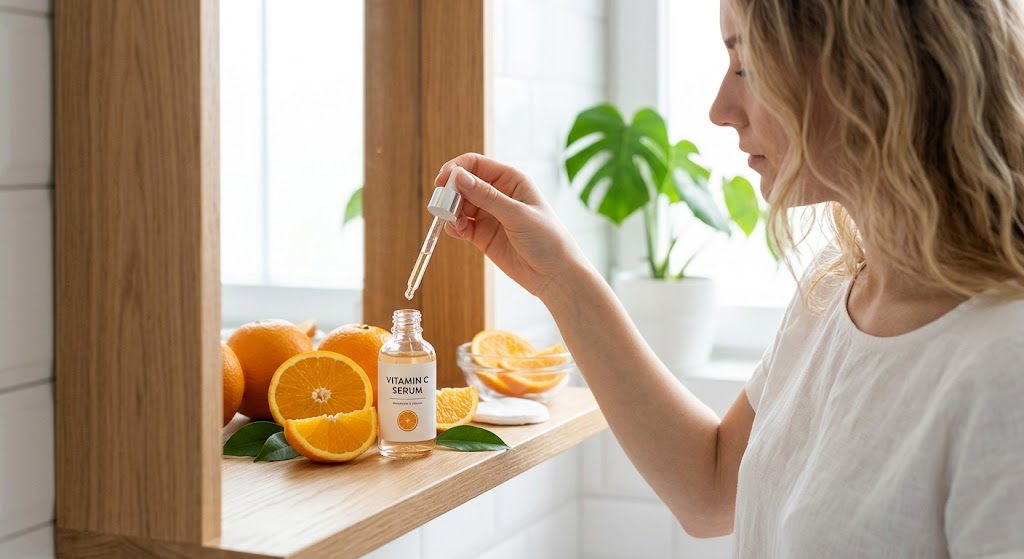
1. Vitamin C Serum
Vitamin C is the most evidence-supported topical ingredient for PIH. It inhibits tyrosinase — the enzyme that drives melanin production — while simultaneously stimulating collagen synthesis that improves overall skin texture. Apply a stable vitamin C serum (look for L-ascorbic acid at 10–15%, or gentler derivatives like ascorbyl glucoside for sensitive skin) to clean skin every morning, followed by SPF. Healthline notes that regular vitamin C use can produce visible brightening within 6–12 weeks of consistent application.
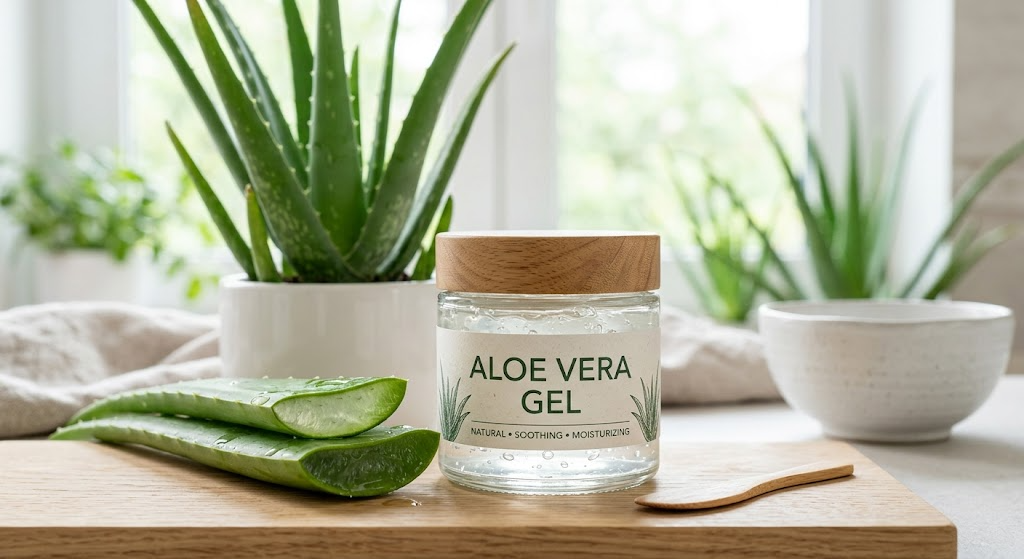
2. Aloe Vera Gel
Aloe vera contains aloesin, a compound that research suggests may directly inhibit hyperpigmentation by reducing tyrosinase activity in the skin — essentially the same mechanism as vitamin C, through a different pathway. It’s also anti-inflammatory, which helps calm the residual redness that often surrounds PIH marks. Apply pure aloe vera gel (99%+ with no alcohol) to clean skin twice daily and allow it to absorb fully before layering other products.
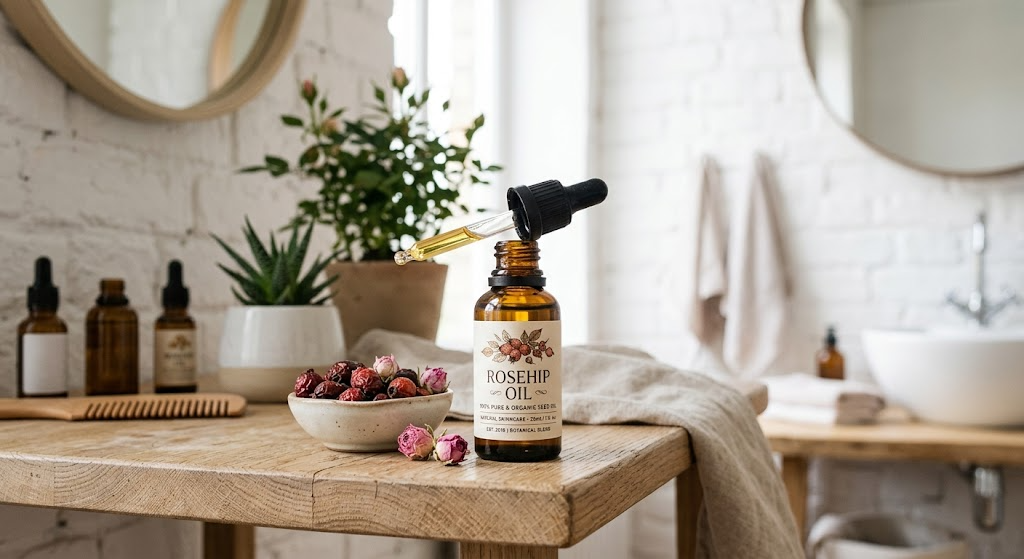
3. Rosehip Oil
Rosehip oil is one of the few plant oils with meaningful retinoid-like compounds (specifically tretinoin precursors) alongside a high concentration of linoleic acid and vitamin C, making it a genuinely active choice for scar fading rather than just a moisturizing oil. Research suggests its fatty acid profile supports skin regeneration and may help fade PIH over consistent use. Apply 2–3 drops to the face in the evening — after active ingredients like vitamin C (used in the morning) have done their daytime work.
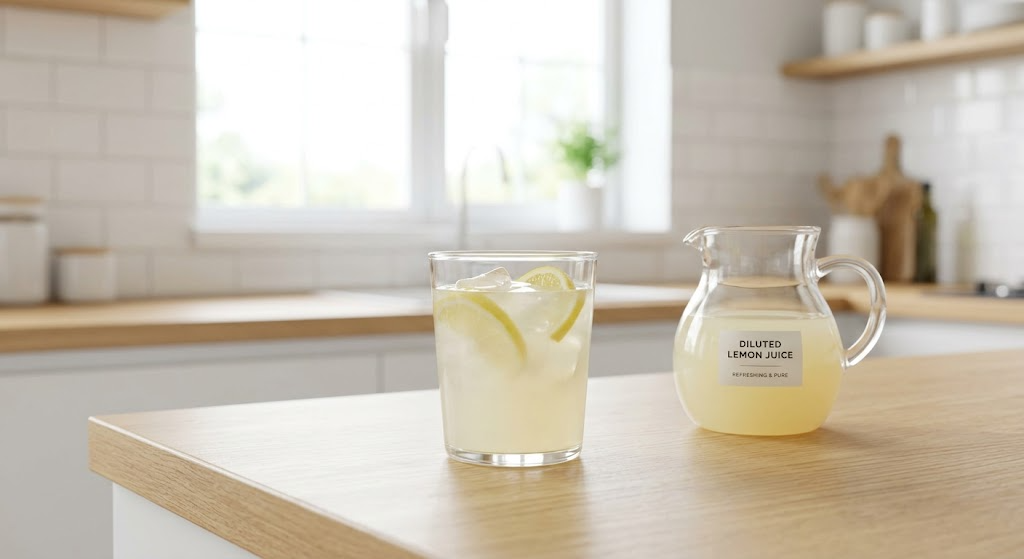
4. Diluted Lemon Juice
Lemon juice contains natural alpha hydroxy acids (AHAs) that gently exfoliate the skin’s surface, potentially accelerating cell turnover and fading of PIH. The key word is diluted — undiluted lemon juice is acidic enough to cause irritation, burns, and paradoxically worsen hyperpigmentation in some people. If you use it, mix equal parts lemon juice and water, apply with a cotton pad for no more than 10 minutes, rinse thoroughly, and always follow with SPF. Skin that is sensitive, already irritated, or recently broken out should skip this one entirely.
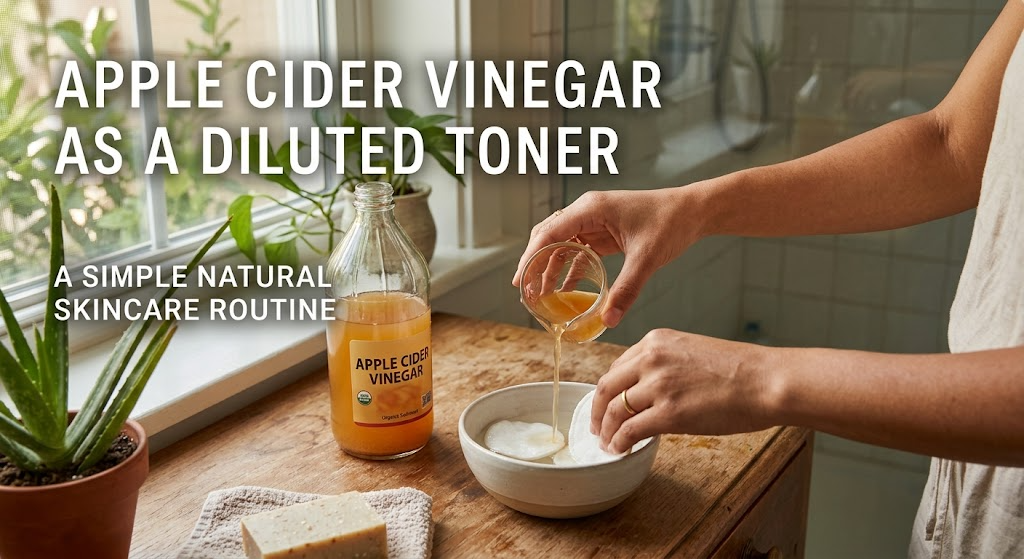
5. Apple Cider Vinegar as a Diluted Toner
Apple cider vinegar contains succinic acid — an organic acid with mild exfoliating and antibacterial properties that may help with superficial PIH by gently encouraging cell turnover. Dilute 1 part ACV in 3–4 parts water before applying as a toner with a cotton pad, and leave for no more than 30 seconds before rinsing. Like lemon juice, concentration matters enormously — undiluted application risks chemical irritation, especially on post-acne skin that’s already compromised.
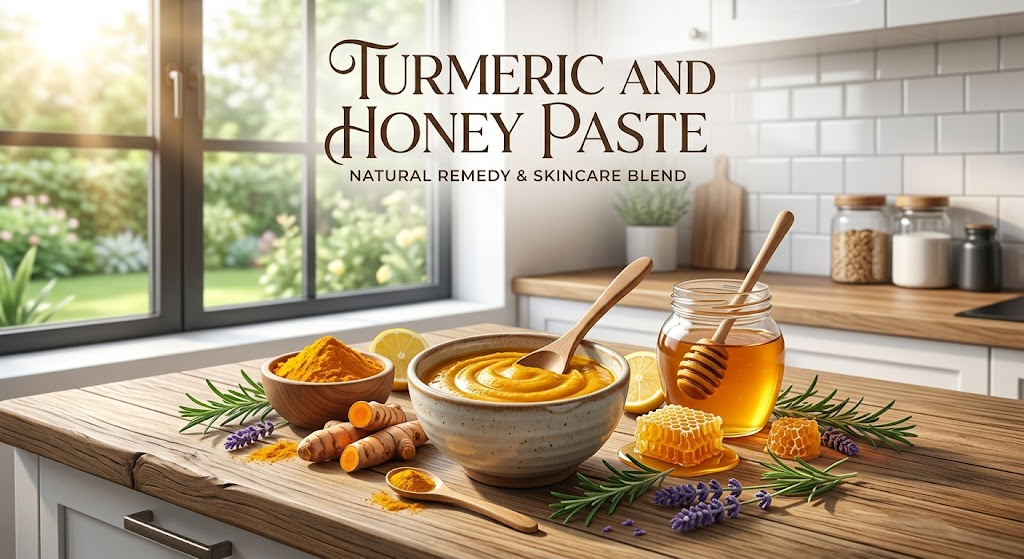
6. Turmeric and Honey Paste
Turmeric’s active compound curcumin has been studied for its ability to inhibit melanin synthesis and reduce skin inflammation — both relevant to PIH fading. Combined with raw honey’s antibacterial and wound-healing properties, a simple mask of ½ teaspoon turmeric mixed with 1 teaspoon raw honey can be applied to marks for 10–15 minutes before rinsing. Use sparingly — turmeric can temporarily stain light skin yellow and should be rinsed thoroughly. Apply over clean skin twice a week rather than daily.
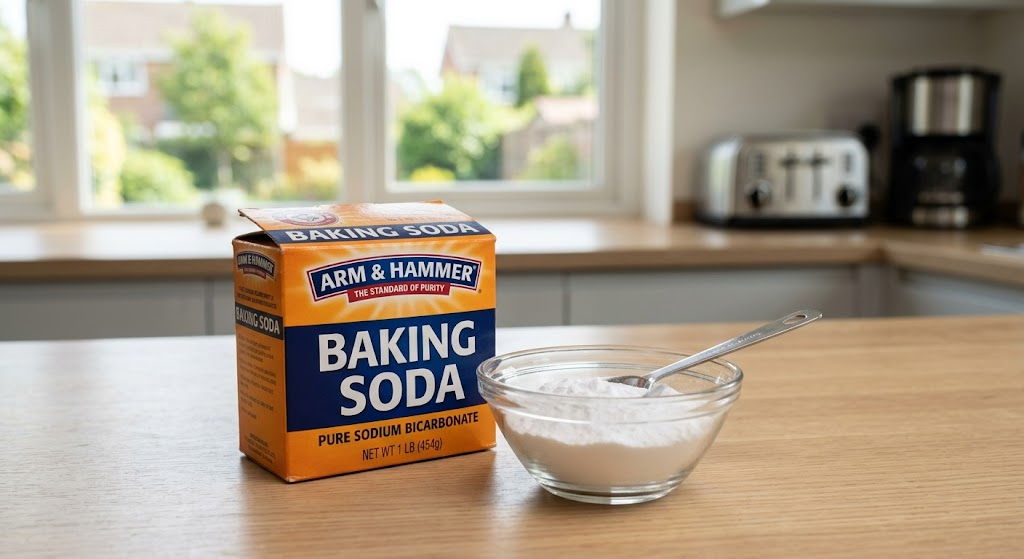
7. Baking Soda (With Caution)
Baking soda acts as a very mild physical exfoliant that can help remove dead skin cells from the surface, potentially accelerating the natural fading of superficial PIH. Mix a small amount with water to form a paste, apply very gently (no scrubbing) to affected areas, and rinse after 1–2 minutes. Use no more than once per week — baking soda has an alkaline pH that can disrupt the skin’s natural acid mantle if overused, potentially causing dryness and irritation. Those with sensitive or dry skin should use this sparingly or skip it.
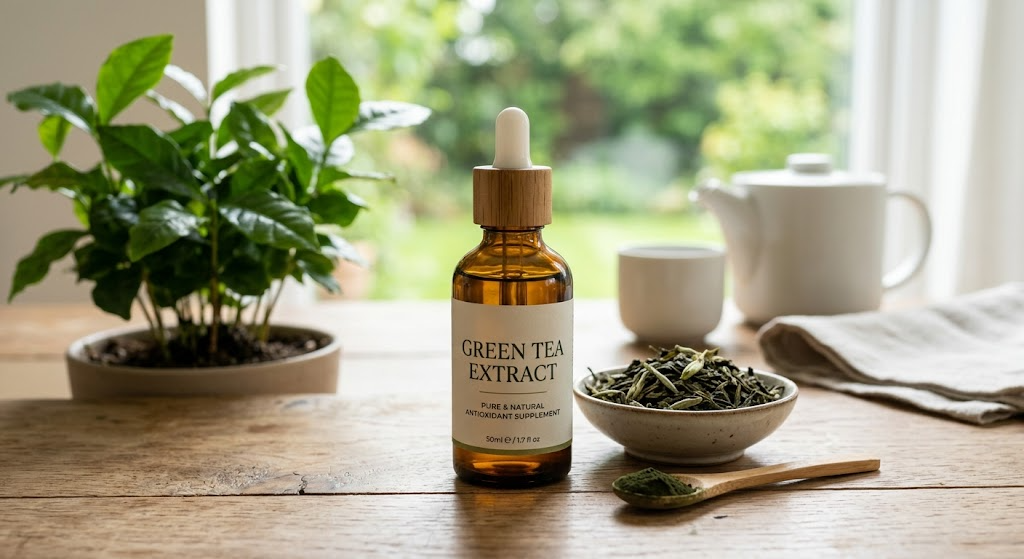
8. Green Tea Extract
Green tea’s EGCG (epigallocatechin gallate) is one of the most studied natural anti-inflammatory and antioxidant compounds for skin, and research suggests it may help reduce the redness and persistent inflammation that accompanies PIH — particularly the pink/red marks left by recent breakouts. Apply cooled brewed green tea with a cotton pad as a toner, or look for skincare products with green tea extract as a prominent ingredient. It’s gentle enough for daily use and suits even sensitive skin types.
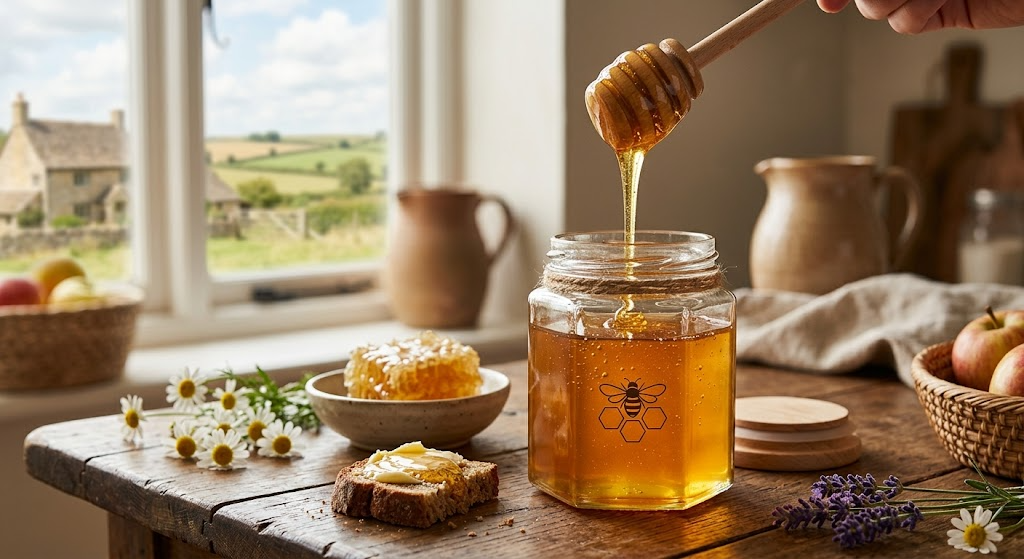
9. Honey
Raw honey — particularly Manuka honey — has documented antibacterial and wound-healing properties that make it useful both for active acne and the healing of post-acne skin. Applied as a mask for 15–20 minutes and rinsed with lukewarm water, it may help keep healing skin hydrated and reduce the inflammation that prolongs PIH. It’s one of the gentlest options on this list, suitable for daily use and all skin types including sensitive.
10. Daily SPF 30+ — The Single Most Important Step
This deserves emphasis: UV exposure is the number one reason PIH marks darken and take longer to fade. Every time unprotected skin is exposed to sunlight, melanin production in existing PIH marks is stimulated further — deepening exactly what you’re trying to fade. The AAD recommends daily broad-spectrum SPF 30 or higher as a non-negotiable part of any acne scar treatment approach. Apply every morning as the last step in your skincare routine, even on cloudy days and indoors near windows. Nothing you apply to a PIH mark at night will make meaningful progress if sun exposure is undoing it every day.
Lifestyle Habits That Speed Up Scar Fading
Remedies work faster when the right daily habits support them:
Don’t pick or squeeze. Every time a healing pimple is squeezed, more inflammation is triggered — directly worsening and prolonging PIH formation. This is the single most impactful behavioral change for people prone to post-acne marks.
Wear SPF daily. Already covered above, but worth repeating — this is the foundation that every other remedy builds on.
Stay well hydrated. Adequate water intake supports skin’s barrier function and cell turnover speed, allowing PIH to fade more efficiently.
Prioritize sleep. Skin cell repair and collagen synthesis peak during deep sleep. Consistent 7–9 hour sleep doesn’t just reduce stress — it directly accelerates the healing process that fades marks.
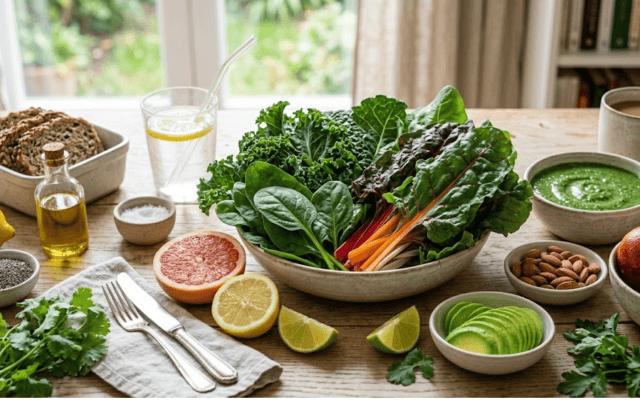
Eat vitamin C-rich foods. Citrus, bell peppers, strawberries, and leafy greens provide the collagen-synthesis support that topical vitamin C works alongside — not a replacement for topical treatment, but a meaningful addition.
When to See a Dermatologist
If your marks are atrophic (indented), raised, or have shown no meaningful improvement after three consistent months of home treatment, it’s time to consult a board-certified dermatologist.
Professional options that go significantly beyond what home remedies can achieve include:
- Chemical peels — prescribed-strength AHAs or TCA peels that address deeper pigmentation and surface texture
- Microneedling — creates controlled micro-injuries that stimulate collagen production, improving atrophic scars structurally
- Laser treatments — fractional laser for textural scars, IPL for pigmentation-based marks
- Prescription retinoids (tretinoin) — significantly more potent than OTC retinol for accelerating cell turnover and PIH fading
- Cortisone injections — for raised or keloid scars
The AAD recommends professional evaluation for any scar that causes significant distress or has not responded to consistent at-home care. There’s no benefit in waiting years on home remedies for structural scarring that professional treatment can address much more effectively.
Frequently Asked Questions
How long does it take for acne scars to fade naturally? For PIH (flat dark marks), consistent use of brightening ingredients like vitamin C alongside daily SPF typically produces visible improvement within 6–12 weeks. Lighter marks may fade significantly in 4–6 weeks; deeper or older PIH can take 3–6 months of consistent treatment. Natural fading without any active treatment takes considerably longer — often 6–24 months, depending on skin tone and sun exposure habits. Atrophic (indented) scars do not fade naturally and require professional treatment for structural improvement.
Does vitamin C really help acne scars? For PIH specifically, yes — and it’s among the most evidence-backed natural ingredients available. Vitamin C inhibits melanin production through tyrosinase inhibition while stimulating collagen synthesis, addressing PIH through two distinct mechanisms. Consistent morning use of a stable vitamin C serum alongside daily SPF produces visible brightening results in the majority of users within 8–12 weeks. It won’t fill in or structurally repair indented scars, but for flat discoloration, it’s the most reliable topical brightening ingredient accessible without a prescription.
Can lemon juice remove acne scars? Lemon juice contains natural AHAs that can gently accelerate cell turnover, potentially helping fade superficial PIH over time. However, it should always be significantly diluted before applying to skin, left on for only a few minutes, and always followed by SPF — lemon juice makes skin photosensitive, meaning sun exposure after application can worsen the very hyperpigmentation you’re trying to treat. For many people, a formulated AHA product (like a glycolic or lactic acid toner) is a safer and more controllable alternative that delivers the same exfoliating benefit without the irritation risk.
What is the fastest way to fade acne marks? The fastest natural approach combines vitamin C serum every morning, daily SPF 30+, and consistent use of an exfoliating ingredient (AHA or rosehip oil) in the evening — this three-step foundation addresses PIH from brightening, protection, and cell turnover angles simultaneously. Stopping any picking or squeezing of active breakouts prevents new marks from forming while existing ones fade. For those who want results faster than home remedies can deliver, prescription tretinoin or a professional chemical peel from a dermatologist can significantly accelerate the timeline.
Does sunscreen help acne scars? Sunscreen is arguably the most important element of any acne scar treatment routine — not because it actively fades marks, but because it prevents them from darkening further. UV exposure directly stimulates melanin production in existing PIH, counteracting everything else you apply. Research consistently shows that PIH fades significantly faster in people who wear daily broad-spectrum SPF compared to those who don’t, even when using the same active brightening ingredients. Think of SPF as the prerequisite that makes every other remedy more effective — without it, progress will be slow regardless of what else you use.
Start Simple, Stay Consistent
How to get rid of acne scars naturally is ultimately a patience game — but one with a clear, evidence-based path. Vitamin C serum in the morning, rosehip oil or aloe in the evening, and SPF every single day form the most effective foundation for fading PIH at home. Add a weekly turmeric mask or a green tea toner if you want to layer in more, and give your routine at least 8–12 weeks before evaluating results.
See a dermatologist for deep, indented, or raised scars — and for any marks that aren’t responding after three months of consistent at-home care.
This article is for informational purposes only and does not constitute medical or dermatological advice. Always consult a board-certified dermatologist for persistent or severe scarring.
Leave a Comment