Best Foods to Boost Your Immune System Naturally
Then mention the exact phrase naturally 4–6 times throughout a 2,000-word article, such as:
- The best foods to boost your immune system naturally are rich in essential nutrients.
- Eating the best foods to boost your immune system naturally every day can reduce the risk of illness.
- This guide explains the best foods to boost your immune system naturally for people of all ages.
- Choosing the best foods to boost your immune system naturally is an easy way to improve your overall health.
Getting sick less often isn’t just luck — your diet plays a bigger role in your immune health than most people realize. While no single food can make you immune to every cold or flu that goes around, a consistent pattern of nutrient-rich eating gives your immune system the raw materials it needs to function at its best. Understanding which foods actually support immunity, and which claims are more marketing than science, can help you build habits that genuinely make a difference.
How Food Affects Your Immune System
It’s worth being upfront about something: you can’t really “boost” your immune system the way supplement marketing often implies, since the immune system isn’t a single dial you can turn up. What you can do is support it — making sure it has everything it needs to function the way it’s designed to. Roughly 70 percent of your immune system is actually located in your gut, which is one reason gut health and immune health are so closely connected.
The immune system itself is made up of two main branches working together. The innate immune system is your first line of defense — fast-acting, non-specific cells like neutrophils that respond immediately to any threat. The adaptive immune system is slower to activate but far more precise, producing antibodies tailored to specific pathogens it has encountered before, which is why you typically don’t get the same strain of chickenpox or measles twice. Nutrition affects both branches, but in somewhat different ways: vitamin C and zinc are particularly important for innate immune cell function, while adequate protein and overall nutritional status support the antibody production central to adaptive immunity.
Key nutrients like vitamin C, zinc, and vitamin D directly support the production and function of immune cells, including the white blood cells responsible for identifying and fighting off pathogens. A diet heavy in ultra-processed foods, on the other hand, has been linked to chronic low-grade inflammation that can interfere with healthy immune function over time. The goal isn’t to chase any single miracle food, but to consistently supply your body with the nutrients immune cells depend on.
12 Best Foods to Boost Your Immune System
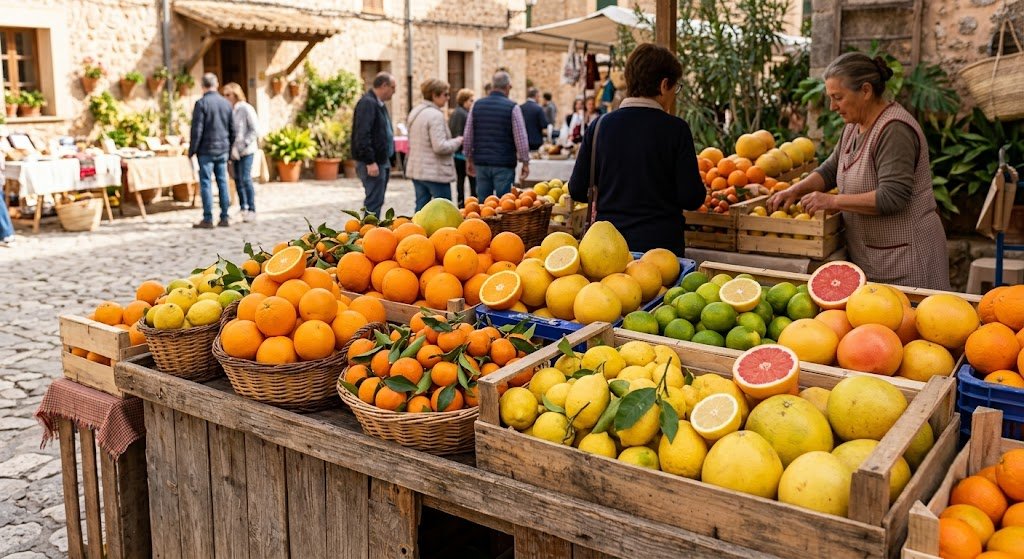
1. Citrus Fruits
Oranges, grapefruits, lemons, and limes are well known for their vitamin C content, and for good reason. Vitamin C is a powerful antioxidant that protects neutrophils — key cells in your innate immune response — from damage while they’re actively fighting infection. Because vitamin C is water-soluble, your body uses what it needs and excretes the rest, which means consistent daily intake from food matters more than occasional mega-doses.
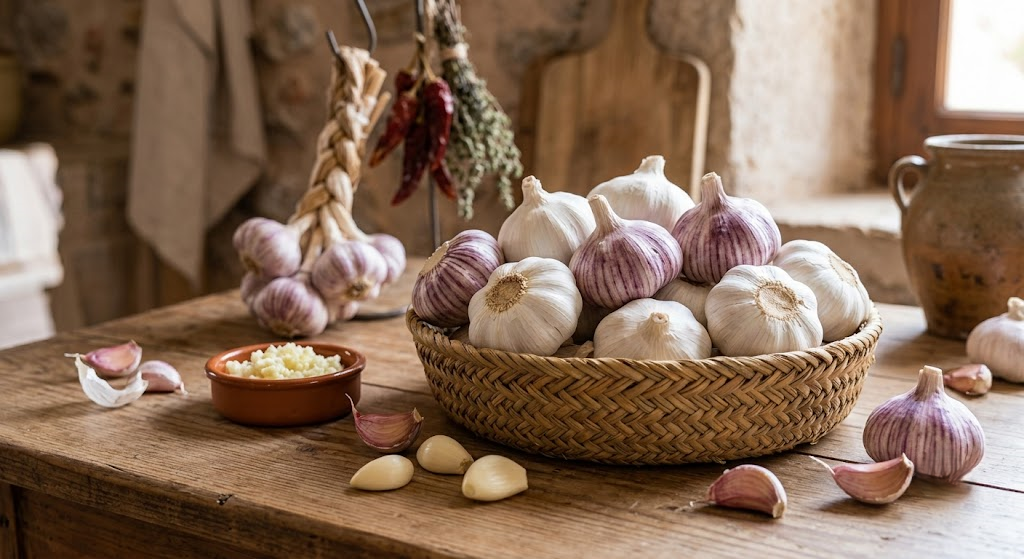
2. Garlic
Garlic contains a compound called allicin, which is released when garlic is crushed or chopped and has documented antimicrobial properties. Raw or lightly cooked garlic retains more of this active compound than garlic cooked for extended periods at high heat. While garlic alone won’t prevent illness, it’s an easy and flavorful addition to a diet aimed at supporting overall immune health.
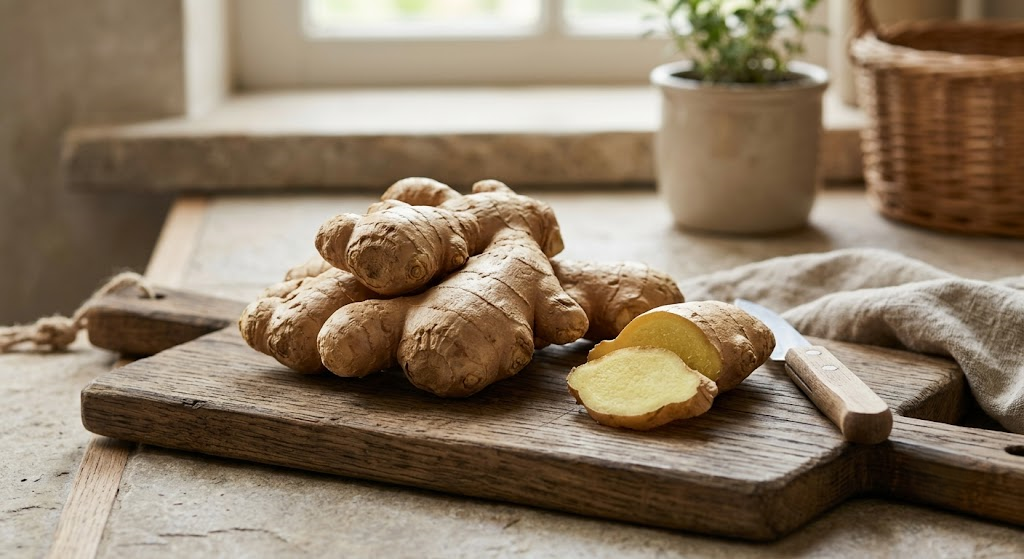
3. Ginger
Ginger has long been used in traditional medicine for its anti-inflammatory and antimicrobial properties, and modern research has identified several bioactive compounds that may help reduce inflammation and support immune defenses. Fresh ginger steeped in hot water, added to stir-fries, or blended into smoothies is an easy way to incorporate it regularly.

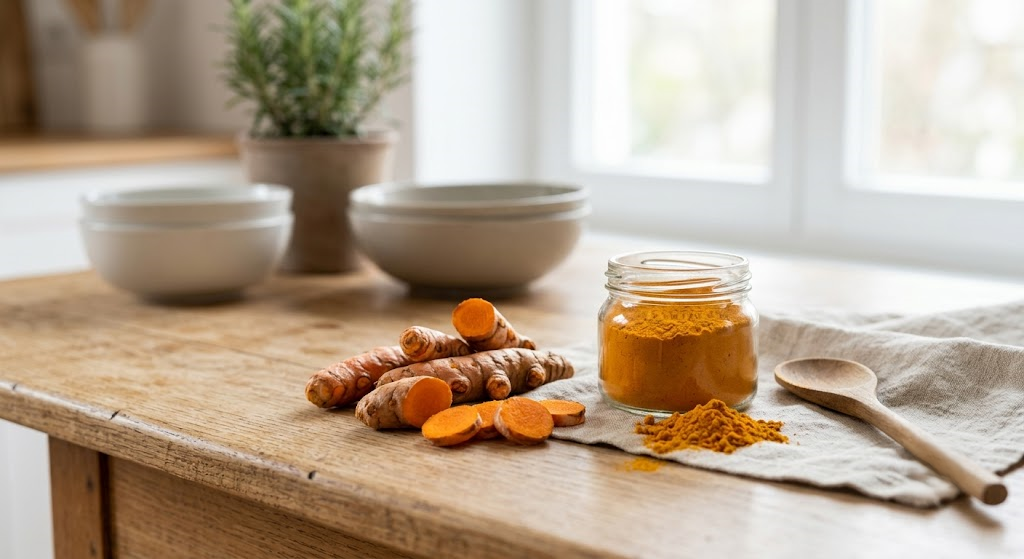
4. Turmeric
The active compound in turmeric, curcumin, has been studied for its ability to modulate immune response and reduce chronic inflammation. Curcumin is poorly absorbed on its own, so pairing turmeric with black pepper (which contains piperine) significantly increases its bioavailability — a classic example of how food combinations matter as much as individual ingredients.
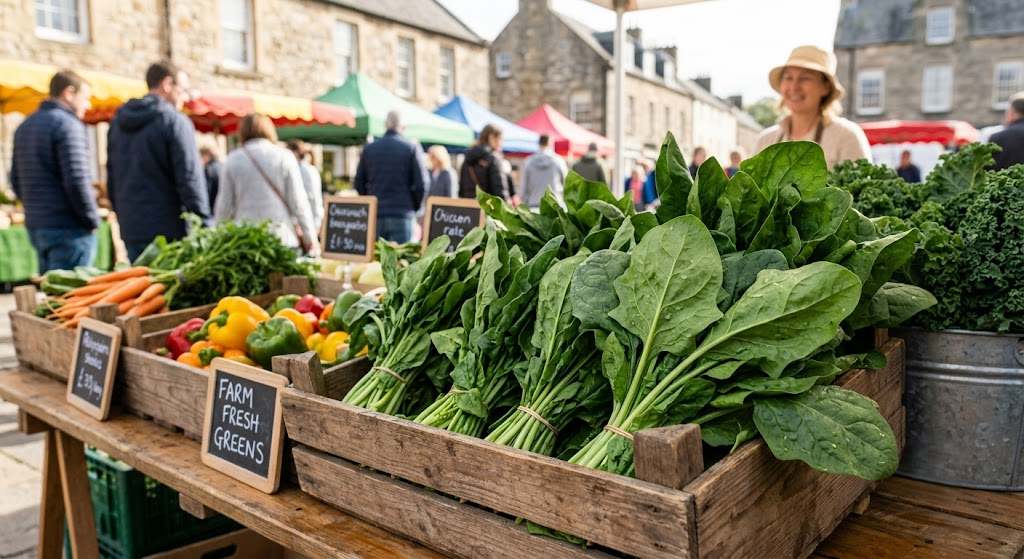
5. Spinach
Spinach delivers a combination of vitamin C, beta-carotene, and various antioxidants that support immune function from multiple angles. It’s flexible enough to add to almost any meal — blended into smoothies, sautéed as a side, or tossed raw into salads — making it one of the easier immune-supportive foods to eat consistently.
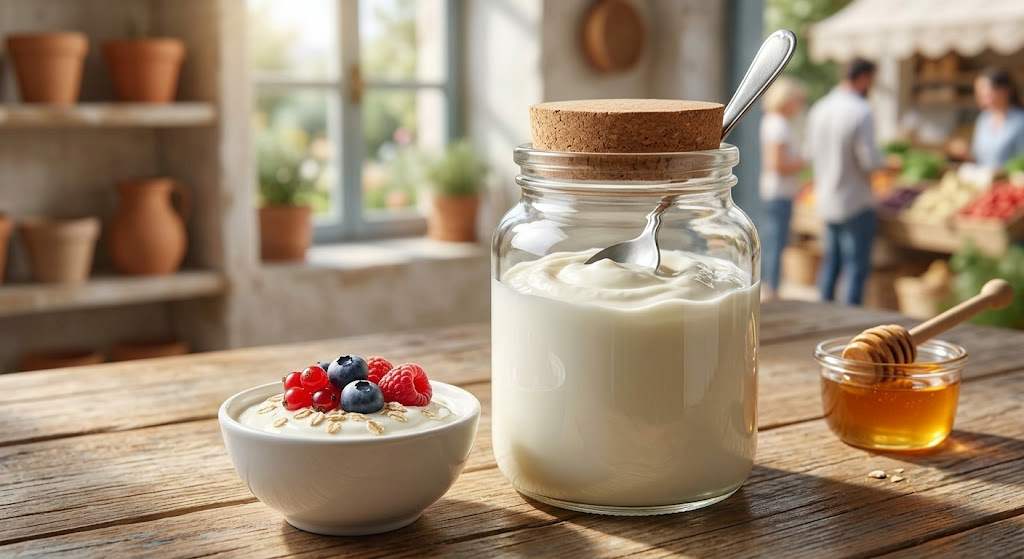
6. Yogurt with Live Cultures
Given how much of the immune system resides in the gut, probiotic-rich foods like yogurt with live active cultures can play a meaningful supporting role. Look for labels specifying live and active cultures, since not all yogurt products contain them after processing. Strains like Lactobacillus and Bifidobacterium have been studied for their role in supporting gut and immune health.
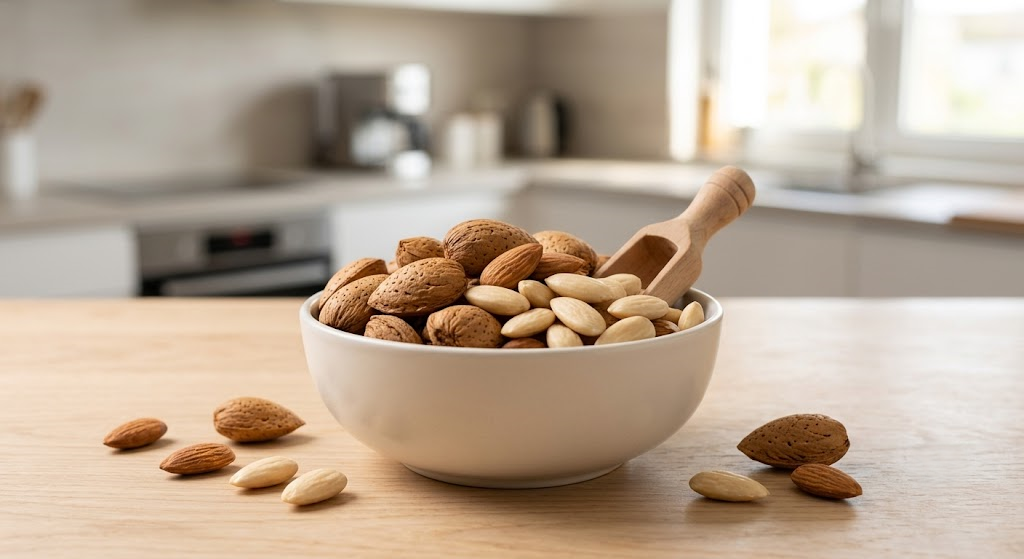
7. Almonds
Almonds are one of the richest dietary sources of vitamin E, a fat-soluble antioxidant that helps keep immune cells, particularly T-cells, functioning at their best. Unlike water-soluble vitamin C, vitamin E is stored in the body’s fat tissue, so consistent intake over time matters more than any single serving.
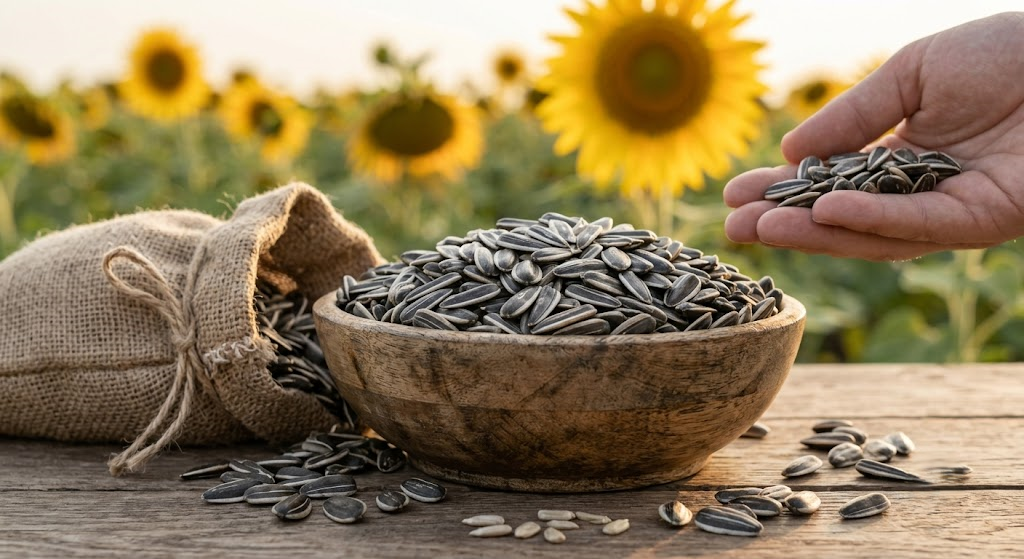
8. Sunflower Seeds
Sunflower seeds offer a combination of vitamin E and selenium, another mineral involved in immune regulation. Selenium plays a dual role — it helps activate immune defenses when needed and also helps regulate the immune response so it doesn’t become excessive or prolonged.
9. Green Tea
Green tea contains EGCG (epigallocatechin gallate), a polyphenol with antioxidant properties, along with L-theanine, an amino acid that may support the production of certain immune cells. Replacing sugary beverages with green tea is a simple swap that adds immune-supportive compounds while cutting back on added sugar, which itself can interfere with immune function when consumed in excess.

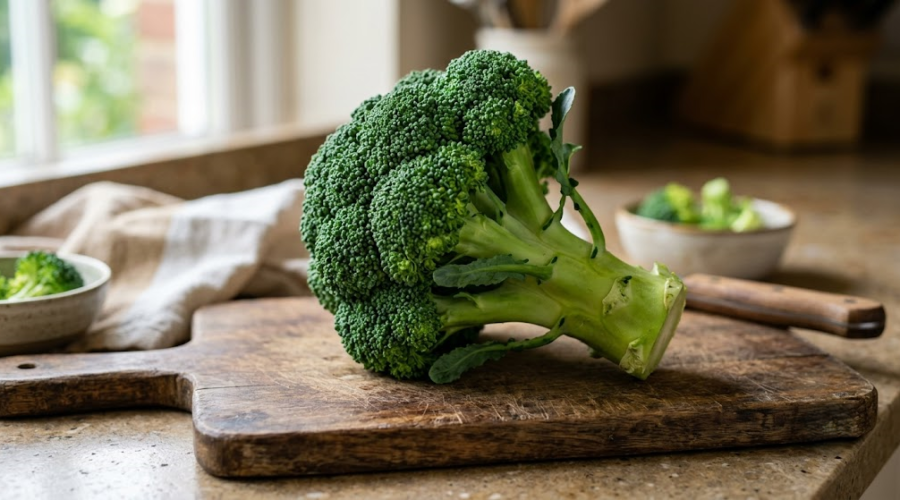
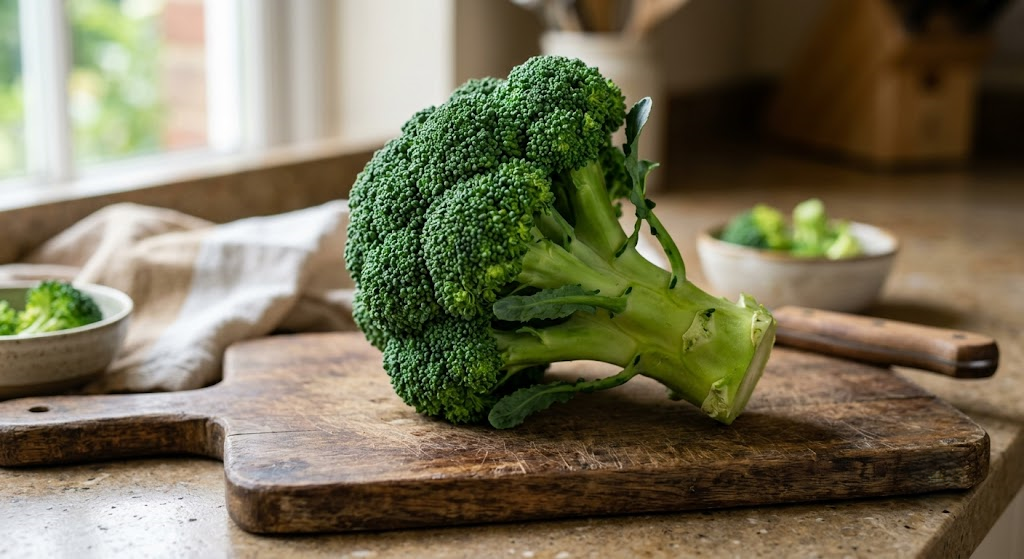
10. Broccoli
Broccoli is a nutritional powerhouse for immune support, packed with vitamins A, C, and E along with glutathione, one of the body’s most important internal antioxidants. Lightly steaming broccoli rather than boiling it helps preserve more of its water-soluble vitamins, which can otherwise leach into cooking water.
11. Chicken Soup
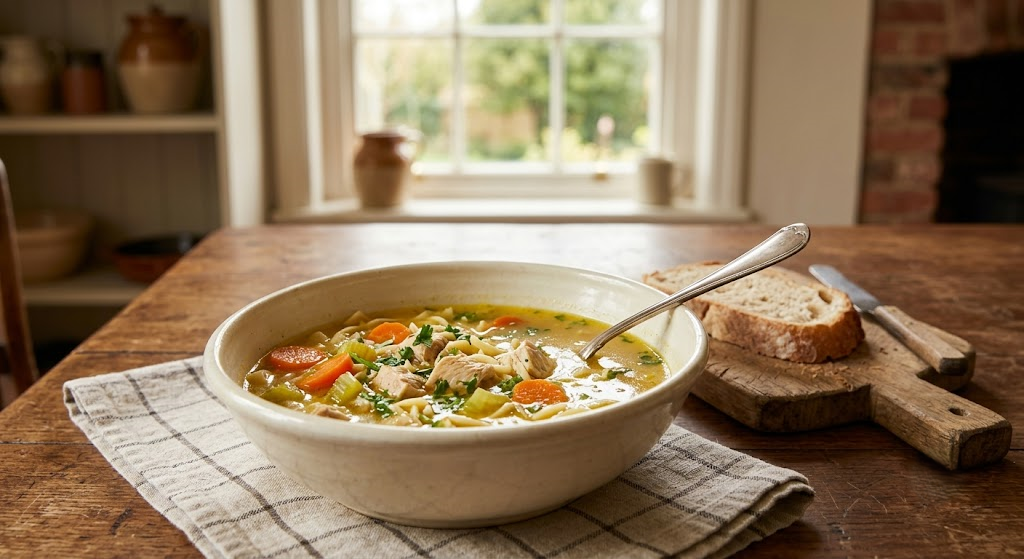
There may be real science behind the old remedy. Some research suggests that compounds in chicken soup, including carnosine, may help inhibit certain immune cell activity associated with upper respiratory symptoms, while the broth itself provides hydration and easily absorbed nutrients like zinc from the chicken. It’s also simply soothing and easy to digest when you’re already feeling under the weather.
12. Elderberry
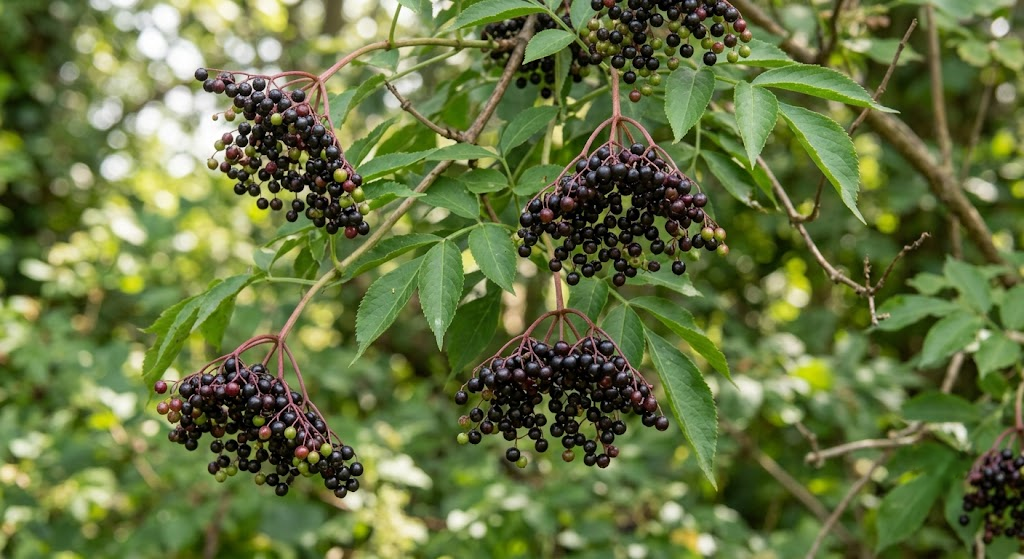
Elderberries are rich in anthocyanins, plant compounds with antioxidant properties that have been studied for their potential to reduce viral replication. Elderberry is among the more researched natural immune-supportive foods, though most existing studies are small, and more rigorous research is still needed before strong claims can be made. If using elderberry supplements rather than the whole fruit, look for products from reputable manufacturers, since unripe or improperly prepared elderberries can be toxic.
Vitamins and Minerals Most Important for Immunity
Stepping back from individual foods, a handful of nutrients consistently show up as central to immune health. Vitamin C needs are around 75-90 mg per day for most adults, achievable through diet alone via citrus, bell peppers, and broccoli — supplementing beyond food intake doesn’t appear to meaningfully outperform adequate dietary intake for most healthy people. Vitamin D deficiency is surprisingly common, affecting roughly a quarter of Americans, and low levels have been linked to higher susceptibility to infection; because it’s hard to get enough through diet alone, a blood test can determine whether supplementation is appropriate for you.
Zinc, found in oysters, beef, poultry, and pumpkin seeds, plays a central role in immune cell development and function, with adult needs around 8-11 mg daily. Selenium, abundant in Brazil nuts (just one or two nuts a day typically covers your needs), supports both activation and regulation of immune responses. Iron, found in red meat, spinach, and legumes, is also essential, since low iron has been linked to impaired immune cell function and increased susceptibility to infection.
Habits That Weaken Your Immune System
Diet is only one piece of the immune health puzzle, and several common habits can undermine even the best nutrition. Chronic stress elevates cortisol levels in ways that can suppress immune function over time. Poor sleep is similarly damaging — research consistently shows that people who sleep less than seven hours a night are significantly more susceptible to catching colds when exposed to a virus. Smoking damages the respiratory tract’s natural defenses, while excessive alcohol consumption impairs the body’s ability to produce and regulate immune cells effectively. A sedentary lifestyle and a diet dominated by ultra-processed foods round out the list, both contributing to the kind of chronic low-grade inflammation that can leave the immune system working less efficiently.
Do Immune-Boosting Supplements Actually Work?
It’s worth addressing supplements directly, since the immune health supplement market is enormous — accounting for roughly 10 percent of all dietary supplement sales in the United States. A large systematic review conducted by researchers at the National Institutes of Health examined dozens of randomized controlled trials on popular immune-support ingredients, including echinacea, elderberry, garlic, zinc, and vitamins A, C, D, and E. The review found that, overall, the evidence for these supplements meaningfully reducing the duration or severity of respiratory infections in healthy people was not as strong as marketing claims often suggest.
That said, there are some specific exceptions worth knowing. Zinc lozenges taken within the first 24 hours of cold symptoms appearing have shown evidence of shortening cold duration by roughly two days in some studies, although results across different trials are mixed. Vitamin C supplementation hasn’t been shown to prevent colds in the general population, but it has shown some benefit for people under extreme physical stress, such as marathon runners, where it may meaningfully reduce incidence. The overall takeaway from the research is consistent: food-first is the better long-term strategy, with targeted supplementation reserved for specific situations or confirmed deficiencies rather than blanket year-round use.
Building a Weekly Eating Pattern for Immune Support
Rather than trying to remember a long list of individual superfoods, it can help to think in terms of a simple weekly pattern. Aim to include a vitamin C source at most meals — this is easier than it sounds, since bell peppers, citrus, broccoli, and strawberries are all versatile enough to fit into breakfast, lunch, or dinner without much extra effort. Try to work a zinc-rich food into your routine several times a week, whether that’s a handful of pumpkin seeds, a piece of poultry, or a serving of legumes for those eating plant-based.
Building in a fermented or probiotic-rich food a few times a week — yogurt, kefir, or even fermented vegetables — supports the gut-immune connection discussed earlier. And since vitamin D is difficult to get consistently from food alone, getting some sun exposure when possible, or discussing supplementation with your doctor if you live somewhere with limited sunlight for much of the year, rounds out a practical, sustainable approach. None of this requires perfection — the cumulative effect of mostly consistent habits matters far more than any single perfect day of eating.
Frequently Asked Questions
What is the fastest way to boost your immune system?
There’s no instant fix for immune function — it responds best to consistent habits over time, including a nutrient-rich diet, adequate sleep, regular movement, and stress management, rather than any single food or supplement taken in the short term.
Does vitamin C prevent colds?
For most healthy adults, regular vitamin C intake hasn’t been shown to prevent colds, though it may modestly reduce their duration. It does appear to offer more meaningful prevention benefits for people under significant physical stress, such as endurance athletes.
Is elderberry safe to take daily?
Properly prepared elderberry products from reputable manufacturers are generally considered safe for most healthy adults when used as directed, but raw or unripe elderberries are toxic and shouldn’t be consumed. Talk with your doctor before regular use, especially if you take other medications.
Can stress weaken your immune system?
Yes. Chronic stress elevates cortisol and other stress hormones in ways that can suppress immune cell function over time, making the body less effective at fighting off infections and slower to recover when illness does occur.
How long does it take to build up immunity through diet?
There’s no fixed timeline, since immune support through diet is cumulative rather than something that activates after a set number of days. Consistent nutrient-rich eating over weeks and months provides a more reliable foundation than any short-term dietary change.
Conclusion
Supporting your immune system through food isn’t about chasing a single miracle ingredient — it’s about consistently supplying your body with the vitamins, minerals, and antioxidants that immune cells depend on, while avoiding habits like poor sleep and chronic stress that undermine the system regardless of how well you eat. Citrus fruits, garlic, spinach, yogurt with live cultures, and the rest of the foods on this list are a strong foundation, but they work best as part of an overall pattern rather than a one-time fix. Think of immune-supportive eating less like a seasonal sprint during cold and flu season and more like a habit you maintain year-round, since the cells and processes involved take time to build and respond. This article is for informational purposes only and isn’t a substitute for medical advice; if you’re immunocompromised or have a chronic health condition, talk with your doctor about your specific nutritional needs.

Leave a Comment