Anti-Inflammatory Foods to Eat Every Day
Inflammation is your body’s built-in alarm system — helpful when it’s fighting infection or healing an injury, but silently destructive when it becomes chronic. The connection between what we eat and systemic inflammation is one of the most well-established areas of nutritional research, and the list of anti-inflammatory foods backed by genuine evidence is both longer and more delicious than most people expect. If you’re dealing with persistent joint pain, unexplained fatigue, or a diagnosis that involves chronic inflammation, what’s on your plate every day matters more than you might realize.
What Is Chronic Inflammation?
Inflammation exists on a spectrum. Acute inflammation — the swelling around a sprained ankle, the redness of a cut healing — is a healthy, short-term immune response that resolves when the threat does.
Chronic low-grade inflammation is different. It’s a persistent, low-level activation of the immune system that doesn’t switch off, often triggered by diet, stress, poor sleep, environmental toxins, or underlying metabolic dysfunction. Unlike acute inflammation, you often can’t feel it directly — it works silently in the background for years.
Research published by the NIH links chronic inflammation to the development and progression of serious conditions including cardiovascular disease, type 2 diabetes, rheumatoid arthritis, Alzheimer’s disease, and certain cancers.
One measurable marker of systemic inflammation is C-reactive protein (CRP) — a protein produced by the liver in response to inflammation that shows up on standard blood tests. Elevated CRP is associated with higher risk of the conditions above, and dietary changes have been shown to meaningfully reduce it over time. Your doctor can check this with a simple blood test if you want a baseline.
Top 12 Anti-Inflammatory Foods to Eat Every Day
1. Berries
Berries — particularly blueberries, strawberries, raspberries, and blackberries — are among the most antioxidant-dense foods available. Their deep colors come from anthocyanins, plant compounds that research suggests may inhibit inflammatory signaling pathways and reduce levels of inflammatory markers including CRP and interleukin-6. Blueberries have the most extensive research base for anti-inflammatory effects. Aim for one cup daily, fresh or frozen — frozen berries retain their anthocyanin content fully and are significantly more affordable year-round.

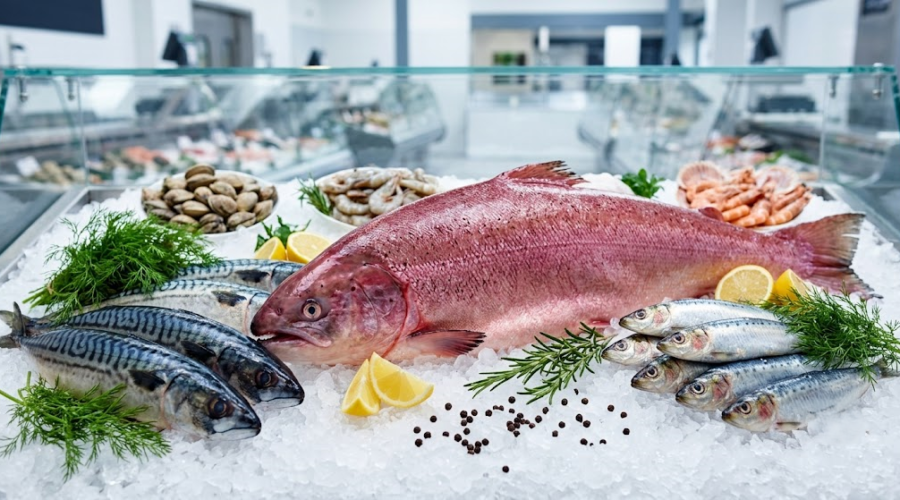
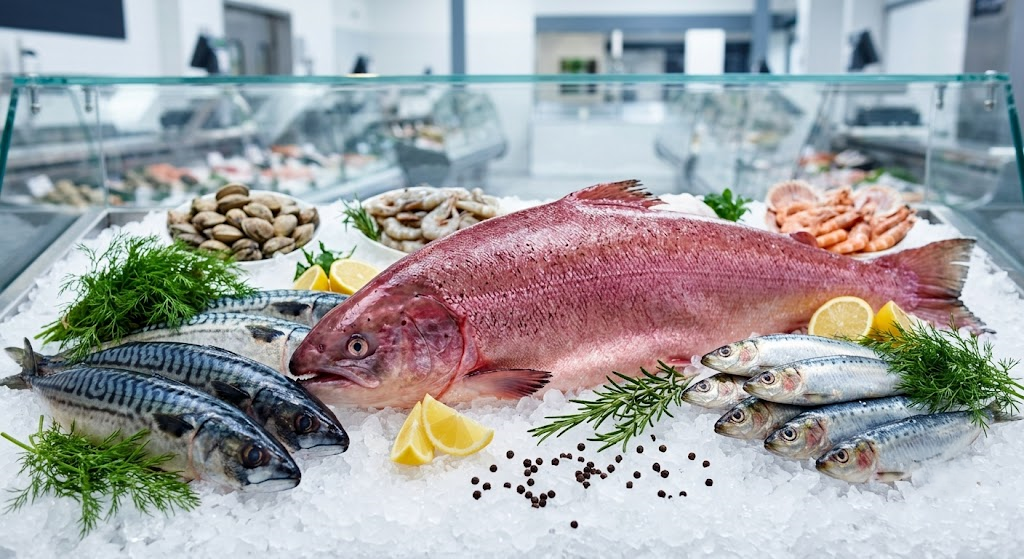
2. Fatty Fish
Salmon, sardines, mackerel, anchovies, and herring are the most concentrated dietary sources of EPA and DHA omega-3 fatty acids — the long-chain omega-3s your body can use directly to produce anti-inflammatory compounds called resolvins and protectins. These compounds actively resolve inflammation rather than simply blocking it, which is mechanistically distinct from anti-inflammatory medications. The NIH recommends at least two servings of fatty fish per week; for people with existing inflammatory conditions, more frequent consumption may be appropriate under medical guidance.

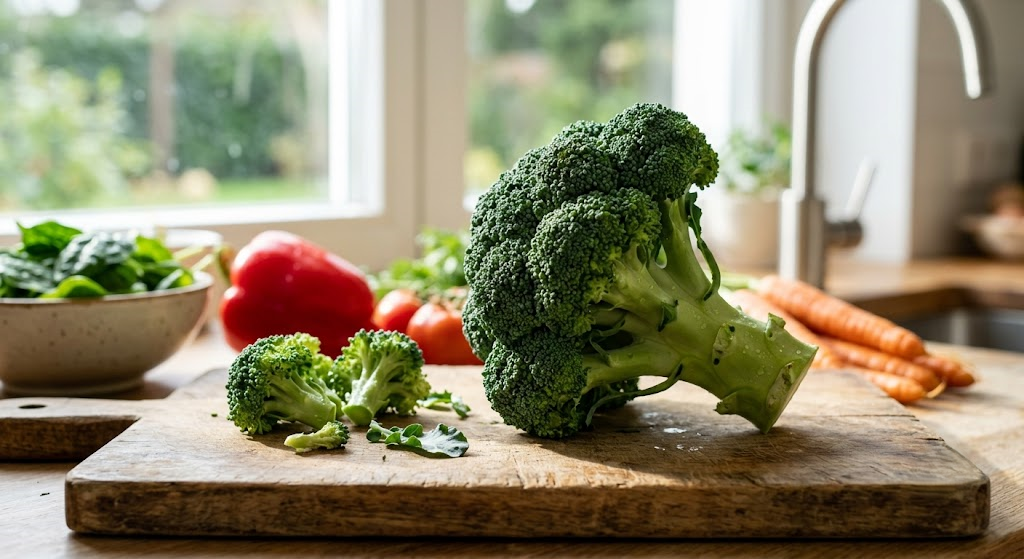
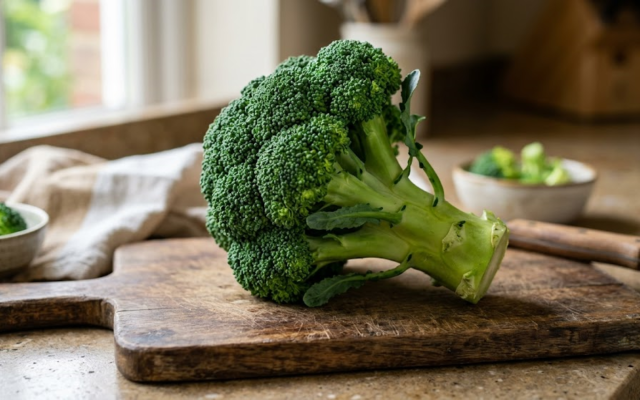
3. Broccoli
Broccoli and other cruciferous vegetables (cauliflower, Brussels sprouts, kale, cabbage) contain sulforaphane — a compound that activates the body’s own antioxidant pathways and has been shown in research to significantly reduce levels of inflammatory cytokines. Sulforaphane is produced when cruciferous vegetables are chopped or chewed — the enzyme reaction that creates it requires brief contact between two compounds in the cell. Lightly steaming rather than boiling broccoli preserves sulforaphane content more effectively than high-heat cooking.
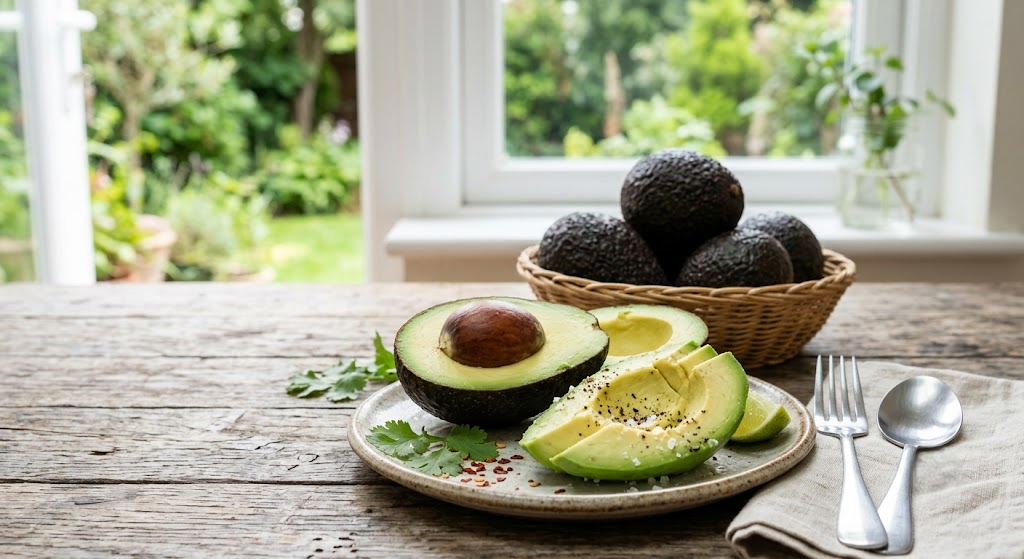
4. Avocados
Avocados are rich in oleocanthal — a compound they share with extra-virgin olive oil — alongside healthy monounsaturated fats, potassium, magnesium, and carotenoids. Oleocanthal has been shown to inhibit the same inflammatory enzymes (COX-1 and COX-2) that ibuprofen targets, through a remarkably similar mechanism. One study found that eating half an avocado with a hamburger significantly reduced the inflammatory response compared to eating the burger alone — suggesting avocado’s anti-inflammatory compounds are active even in the context of inflammatory foods.
5. Green Tea
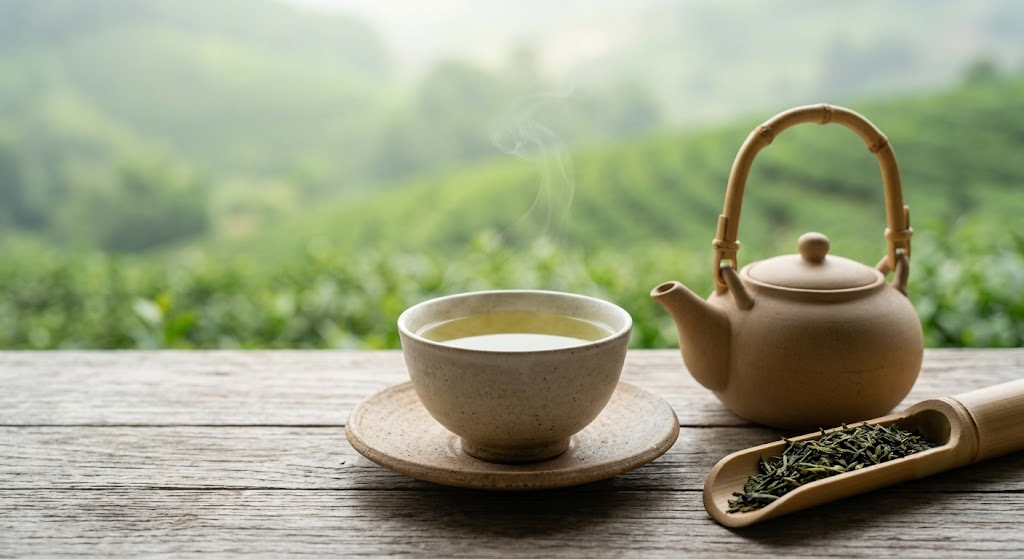
Green tea’s primary anti-inflammatory compound is EGCG (epigallocatechin gallate), one of the most studied natural antioxidants in existence. EGCG reduces the production of pro-inflammatory cytokines and has shown activity against NF-kB — a master regulator of inflammation in human cells. Research suggests 2–3 cups of brewed green tea daily provides meaningful anti-inflammatory activity. Matcha provides a substantially higher concentration of EGCG if you want a more potent version in a single cup.
6. Bell Peppers and Chili Peppers
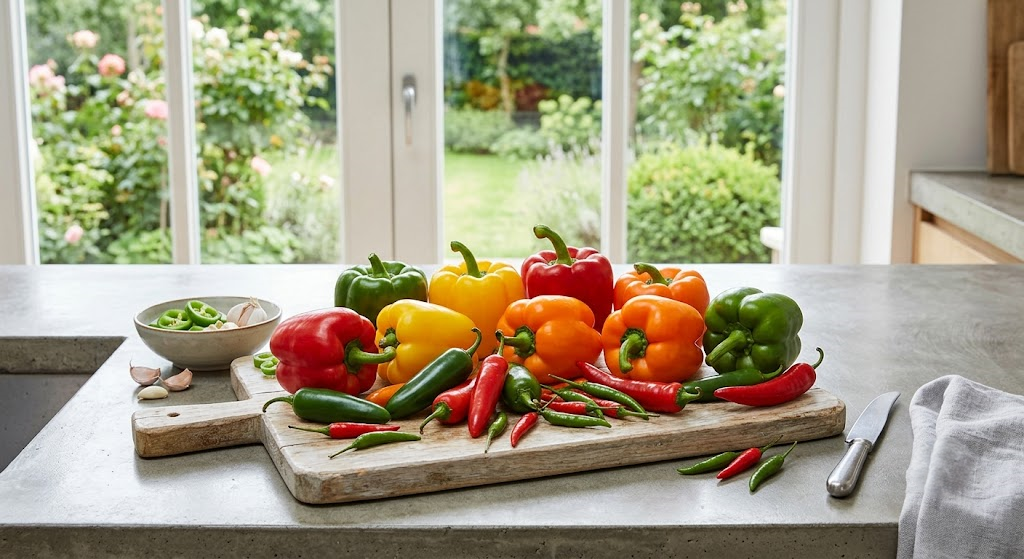
Bell peppers are among the richest sources of vitamin C — essential for collagen synthesis and a potent antioxidant that neutralizes free radicals driving oxidative stress. They also contain quercetin, a flavonoid with established anti-inflammatory properties. Red and yellow bell peppers contain significantly more vitamin C and antioxidants than green. Chili peppers add capsaicin — the compound responsible for their heat and a well-studied topical and dietary anti-inflammatory agent — to the mix.
7. Mushrooms
Mushrooms are exceptional because they contain ergothioneine — an unusual antioxidant amino acid that human cells specifically transport and store for protective purposes, suggesting an important biological role. Research from Healthline notes that ergothioneine reduces oxidative stress significantly. Lion’s mane, shiitake, and portobello varieties have the highest research base. Mushrooms are also one of the only plant foods that contain meaningful amounts of vitamin D when exposed to UV light — and vitamin D deficiency is independently associated with elevated inflammatory markers.

8. Grapes
Red and purple grapes contain resveratrol — a polyphenol compound that research suggests may reduce inflammation by inhibiting NF-kB signaling, a key pathway in the production of pro-inflammatory cytokines. Resveratrol has attracted significant research attention for its potential role in cardiovascular and metabolic health. Whole grapes deliver resveratrol alongside other polyphenols that work synergistically; a serving of one cup several times weekly provides consistent intake. Red wine contains resveratrol, but the alcohol content introduces its own inflammatory considerations.

9. Turmeric
Turmeric’s active compound curcumin is arguably the most extensively studied natural anti-inflammatory compound, with research showing activity against multiple inflammatory pathways simultaneously. Multiple randomized controlled trials have found curcumin comparable to some anti-inflammatory medications for conditions including arthritis — though the doses used in studies are typically higher than what regular dietary turmeric provides. Critically, curcumin is poorly absorbed on its own — consuming it with black pepper (piperine) increases bioavailability by approximately 2,000%. Add turmeric and black pepper together whenever you use either one.

10. Extra-Virgin Olive Oil
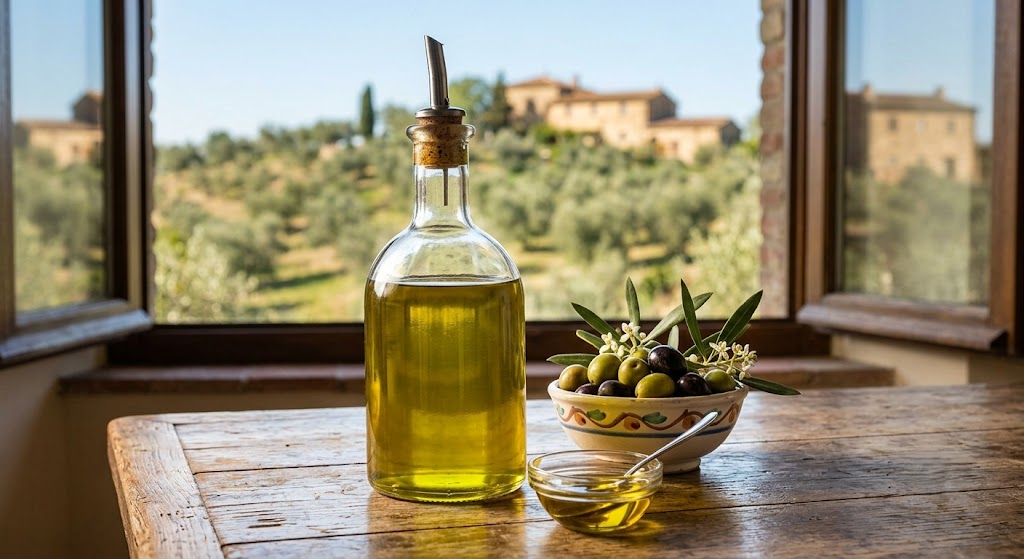
Extra-virgin olive oil contains oleocanthal at meaningful levels alongside a full complement of polyphenols that reduce oxidative stress and inflammatory signaling. Oleocanthal’s mechanism — inhibiting COX-1 and COX-2 enzymes — is so similar to ibuprofen’s that researchers have suggested a strong enough dose of quality EVOO would produce a mild anti-inflammatory drug-like effect. The key word is extra-virgin — refined and “light” olive oils lose the polyphenol content that provides the anti-inflammatory benefit. Use it as your primary cooking fat and as a finishing oil on salads and vegetables.
11. Dark Chocolate (70%+ Cacao)
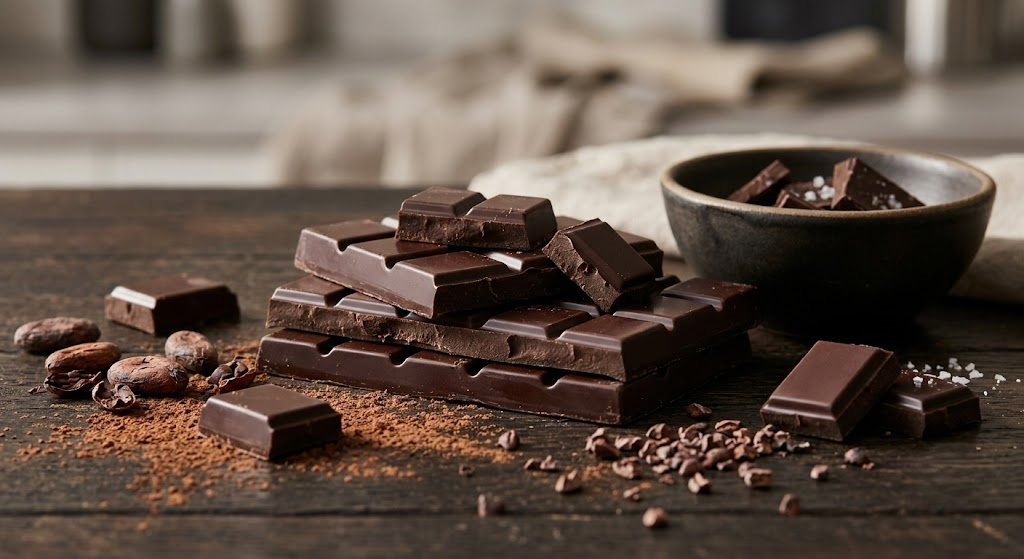
Dark chocolate with 70% or higher cacao content delivers flavanols — plant compounds that reduce the production of pro-inflammatory eicosanoids and have been shown in clinical trials to lower CRP levels with regular consumption. A 2008 study found that daily dark chocolate consumption reduced inflammatory markers in a randomized controlled trial. One ounce (28g) daily is the amount most research uses as a meaningful dose. Choose varieties with minimal added sugar and the highest cacao percentage you enjoy — the flavanol content increases with cacao percentage.
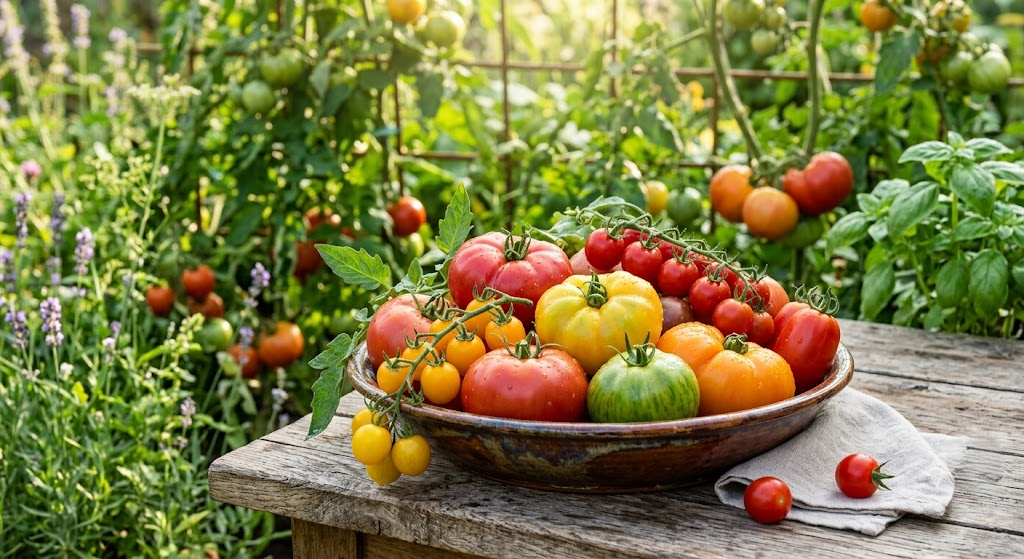
12. Tomatoes
Tomatoes are the richest dietary source of lycopene — a carotenoid with potent antioxidant and anti-inflammatory properties. Research consistently associates higher lycopene intake with lower levels of inflammatory markers and reduced risk of cardiovascular and metabolic conditions. Crucially, cooked tomatoes deliver up to four times more bioavailable lycopene than raw ones, because heat breaks down cell walls that bind the compound. Tomato paste, roasted tomatoes, and cooked tomato sauce are dramatically more anti-inflammatory than raw tomato slices — a useful fact for everyday cooking.
Foods That Increase Inflammation to Limit
As important as what you add is what you reduce. These are the dietary patterns most consistently associated with elevated inflammatory markers:
- Refined carbohydrates — white bread, white rice, pastries — spike blood glucose and trigger an inflammatory insulin response
- Fried foods — particularly those cooked in industrial seed oils — introduce oxidized fats and advanced glycation end products (AGEs)
- Sugar-sweetened beverages — soda, juice, sweetened coffee drinks — are among the single biggest drivers of inflammatory dietary load
- Processed meats — hot dogs, sausage, bacon — contain preservatives and compounds formed during processing associated with elevated CRP
- Trans fats and margarine — largely removed from the US food supply but still present in some packaged foods — directly increase inflammatory markers
- Excessive alcohol — moderate consumption appears relatively neutral; regular heavy drinking is strongly and consistently associated with elevated systemic inflammation
Simple Anti-Inflammatory Diet Tips
Applying this doesn’t require a complete dietary overhaul. These five practical shifts cover most of the ground:
- Follow a Mediterranean diet pattern — the dietary approach with the strongest and most consistent evidence base for reducing inflammation, emphasizing fish, olive oil, vegetables, legumes, whole grains, and moderate red wine
- Cook with extra-virgin olive oil as your default fat — replace butter for sautéing and refined vegetable oils for dressings
- Eat the rainbow — different colored vegetables represent different phytonutrient classes, each addressing inflammation through distinct pathways; variety multiplies the benefit
- Swap refined grains for whole grains — the fiber in whole grains feeds beneficial gut bacteria that produce short-chain fatty acids with anti-inflammatory properties
- Add turmeric and black pepper to cooking wherever they fit — curries, soups, scrambled eggs, roasted vegetables — the combination makes a meaningful contribution at culinary doses over time
Frequently Asked Questions
What is the most anti-inflammatory food? If forced to pick one, fatty fish has the strongest and most consistent evidence base — EPA and DHA omega-3s directly produce anti-inflammatory compounds (resolvins and protectins) that actively resolve inflammation at the cellular level. For plant-based options, blueberries and extra-virgin olive oil are the most research-backed. In practice, dietary patterns outperform individual foods — a consistent Mediterranean-style diet produces more meaningful anti-inflammatory effects than adding any single superfood to an otherwise poor diet.
How quickly can diet reduce inflammation? Faster than most people expect. Research has found measurable reductions in CRP and other inflammatory markers within as little as two weeks of significant dietary changes — particularly reducing sugar, refined carbohydrates, and fried foods while increasing omega-3-rich foods and antioxidant-dense vegetables. More significant shifts in inflammatory status build over 6–12 weeks of consistent dietary change. Individual variation is real — someone with significant baseline inflammation from a highly processed diet may see faster initial changes than someone starting from a relatively healthy baseline.
Does coffee cause inflammation? Current research suggests the opposite for most people. Regular coffee consumption has been associated with lower levels of inflammatory markers including CRP in multiple large studies. Coffee is rich in polyphenols and antioxidants that appear to have anti-inflammatory activity. The exception may be very high consumption (5+ cups daily) or the addition of significant sugar and dairy, which can introduce their own inflammatory variables. For most healthy adults, one to three cups of black or lightly modified coffee is neutral to anti-inflammatory.
Is dairy inflammatory? This is genuinely person-dependent. For most healthy adults without dairy sensitivity or lactose intolerance, research does not support the idea that dairy is broadly inflammatory. Some studies have found fermented dairy (yogurt, kefir) to be mildly anti-inflammatory due to their probiotic content. However, people with lactose intolerance, a dairy protein sensitivity, or conditions like acne that are exacerbated by IGF-1 in milk may experience inflammatory responses. If you suspect dairy is contributing to symptoms, a 30-day elimination under the guidance of a registered dietitian can clarify the connection.
Can an anti-inflammatory diet help arthritis? Research suggests yes — particularly for rheumatoid arthritis and osteoarthritis. Multiple studies have found that Mediterranean diet patterns, adequate omega-3 intake, and reduced consumption of processed foods are associated with lower disease activity scores and reduced joint pain in people with arthritis. Turmeric supplementation has shown benefits comparable to some anti-inflammatory medications in several trials. Diet should always complement — not replace — medical treatment for diagnosed arthritis. Consult your doctor or a registered dietitian about integrating dietary changes with your existing care plan.
Eat to Calm the Fire
The science is consistent: anti-inflammatory foods eaten regularly — berries, fatty fish, olive oil, turmeric, leafy greens, and green tea — shift the body’s inflammatory baseline in a meaningful direction over weeks and months. You don’t need to be perfect, and no single meal undoes chronic dietary patterns. But consistent choices, consistently made, genuinely matter for long-term health.
For home remedies and natural approaches that complement an anti-inflammatory diet, explore our Home Remedies category.
This article is for informational purposes only and does not constitute medical advice. Consult your doctor for persistent inflammatory symptoms, chronic pain, or any condition requiring medical management. Dietary changes should complement, not replace, prescribed medical treatment.


Leave a Comment